



What's Happening?
Tesla has become part of a strategic alliance aimed at launching a new Virtual Power Plant (VPP) in California. This initiative seeks to enhance energy reliability and affordability for communities across the state. The VPP model typically aggregates
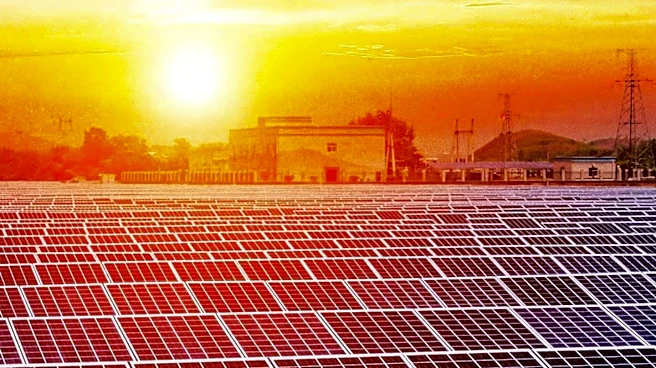
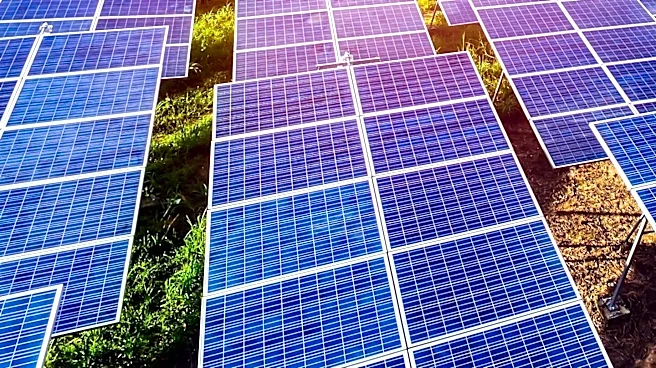
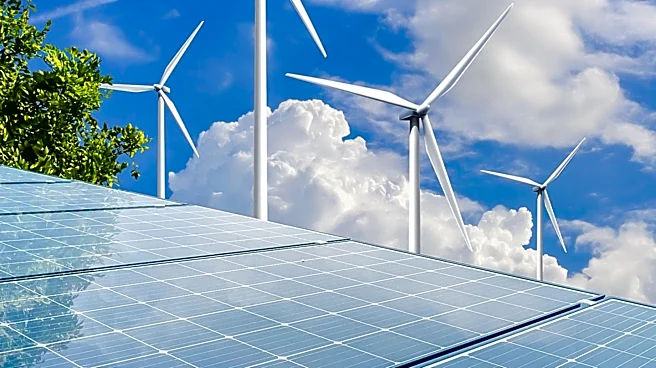
distributed energy resources, such as rooftop solar and battery storage systems, to provide grid services. By coordinating these resources, the VPP can act as a single power plant, dispatching energy to the grid when needed, reducing strain on traditional power infrastructure, and potentially lowering energy costs for consumers. This move aligns with broader efforts to integrate renewable energy sources and modernize the electricity grid in California, a state that has been at the forefront of clean energy adoption and grid resilience initiatives.
Why It's Important?
The launch of a Virtual Power Plant in California, with Tesla's involvement, is significant for several reasons. It represents a tangible step towards a more decentralized and resilient energy grid, reducing reliance on large, centralized power plants that can be vulnerable to outages. For California, a state prone to extreme weather events and energy demand spikes, enhanced grid reliability is crucial. The VPP can help mitigate these challenges by providing flexible capacity and demand response. Economically, it could lead to more affordable energy for consumers by optimizing the use of renewable energy and reducing the need for expensive peak power generation. For the energy industry, it showcases the growing importance of distributed energy resources and the potential for technology companies like Tesla to play a central role in energy infrastructure development. This model could also serve as a blueprint for other U.S. states looking to transition to cleaner, more robust energy systems.
What's Next?
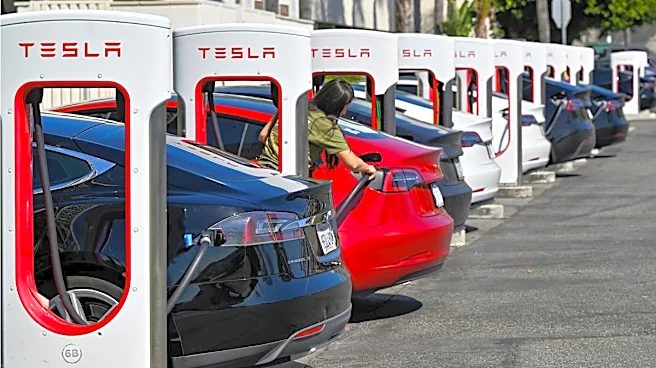
The immediate next steps will likely involve the deployment and integration of Tesla's energy solutions, such as Powerwall battery storage systems, into the VPP network across California. This will require coordination with local utilities, homeowners, and other stakeholders to ensure seamless operation and maximum grid benefit. There will also be a focus on monitoring the performance of the VPP in terms of energy reliability, cost savings, and its contribution to grid stability, especially during periods of high demand or grid stress. Success in California could lead to the expansion of this VPP model to other regions within the U.S., potentially influencing national energy policy and investment in distributed energy resources. Further technological advancements in battery storage and grid management software will also be critical for the long-term scalability and effectiveness of such initiatives.
Beyond the Headlines
Beyond the immediate benefits of enhanced grid reliability and affordability, the establishment of a Virtual Power Plant with Tesla's participation in California signifies a deeper shift in the energy paradigm. It underscores the increasing convergence of technology, consumer empowerment, and environmental sustainability. This model challenges the traditional utility structure by enabling individual households and businesses to become active participants in the energy market, not just passive consumers. It also highlights the ethical implications of data privacy and cybersecurity as more smart devices and interconnected systems manage critical infrastructure. Culturally, it could foster a greater sense of community resilience and self-sufficiency, as local energy resources are leveraged for collective benefit. In the long term, this trend could accelerate the decarbonization of the U.S. energy sector and drive innovation in smart grid technologies, ultimately reshaping how energy is produced, distributed, and consumed nationwide.