



What's Happening?
More women, particularly those over 40, are incorporating weightlifting and strength training into their fitness routines. This shift is driven by a growing awareness of the benefits of strength training for managing age-related changes, such as menopause.
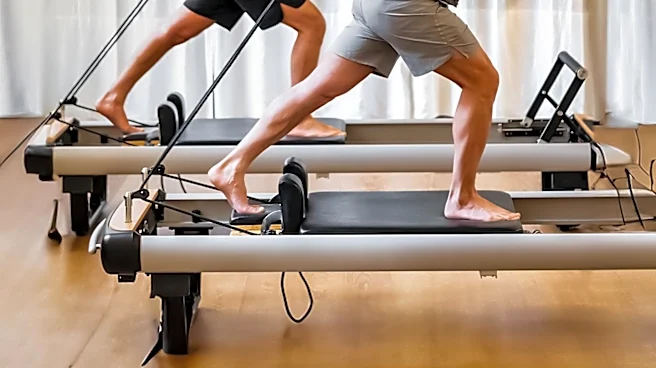
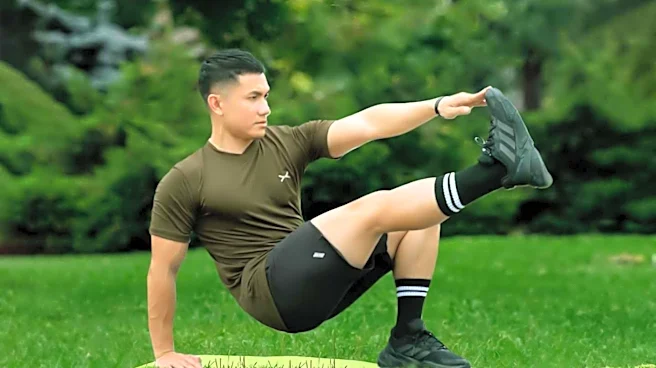
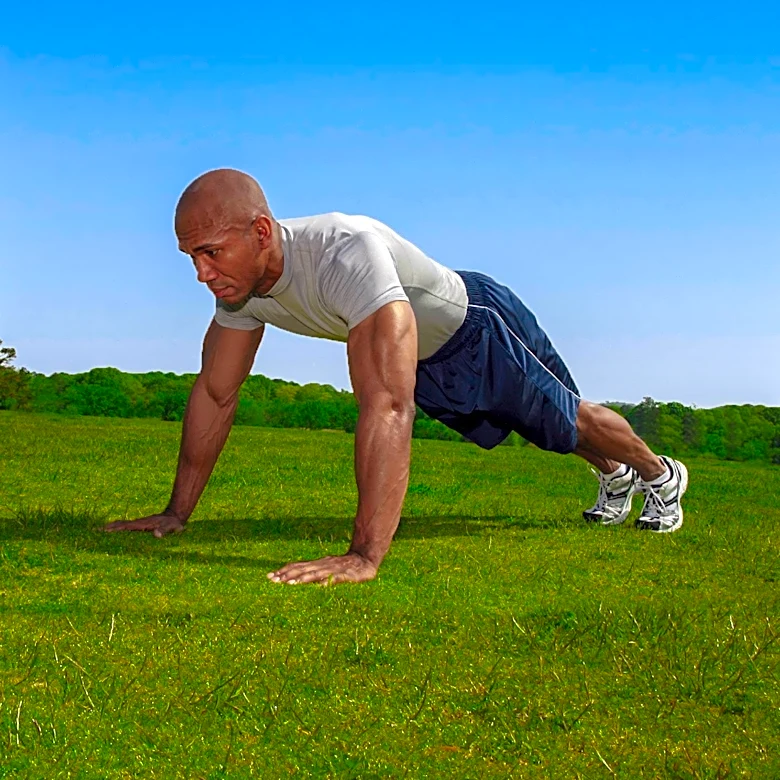
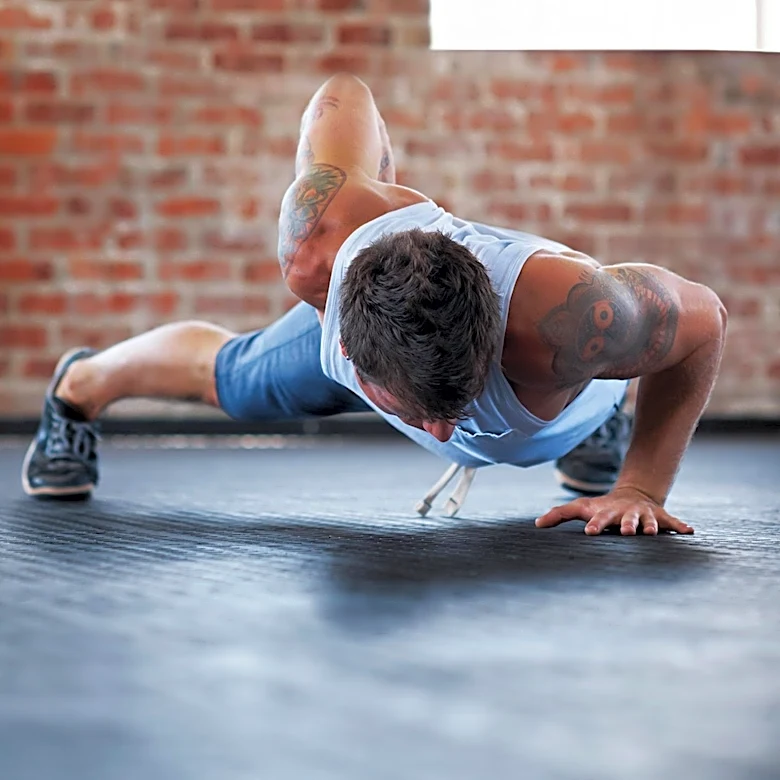
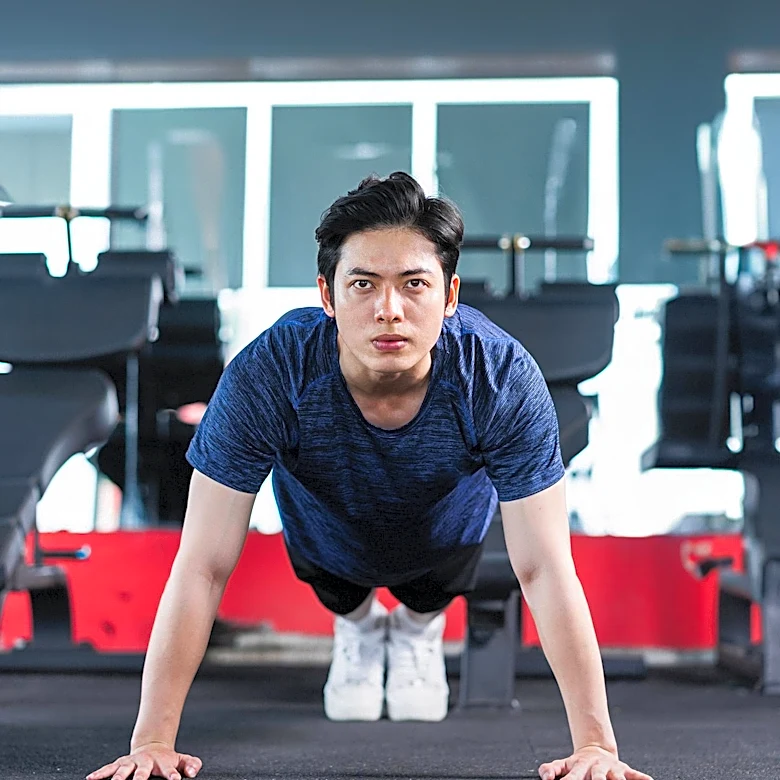
Historically, weight rooms were predominantly male spaces, but now, women of all ages are actively participating. Strength training encompasses various activities, including lifting free weights, using machines, resistance bands, or bodyweight exercises like Pilates and calisthenics. The emphasis is on consistency and progressive overload, gradually increasing the intensity or weight over time. Fitness trainers like Ruby Smith Díaz note an increase in women seeking sustainable ways to build muscle, moving away from the 'no excuses' culture that often overlooks individual health conditions like arthritis.
Why It's Important?
This trend is significant for public health, especially for women in midlife. Strength training offers crucial benefits such as improved bone density, which helps combat osteoporosis and osteopenia, conditions more prevalent in older women. It also aids in weight management, reduces the impact of osteoarthritis, and can positively affect mental health, acting as an antidepressant for some. By building muscle, women can maintain their physical capabilities and independence as they age, reducing the risk of falls and hospitalizations. The increased participation of women in weightlifting challenges traditional fitness norms and promotes a more inclusive approach to exercise, acknowledging diverse needs and abilities. This shift can lead to better long-term health outcomes and a higher quality of life for an aging population.
What's Next?
The growing interest in strength training among women over 40 is likely to lead to an expansion of tailored fitness programs and resources. Fitness professionals will need to adapt their approaches to cater to specific needs, such as those with arthritis or other health conditions, moving away from high-intensity, one-size-fits-all workouts. There will likely be a continued increase in online resources and community-based classes focused on sustainable and adaptable strength training. Furthermore, as more women experience the benefits, there could be a broader cultural shift in how aging and fitness are perceived, emphasizing strength and capability rather than solely weight loss. This could also encourage more research into the specific benefits of strength training for women at different life stages.
Beyond the Headlines
Beyond the immediate health benefits, this movement has deeper societal implications. It challenges long-standing gender stereotypes in fitness, where weightlifting was often seen as a masculine pursuit. The increased visibility of women in weight rooms can empower younger generations and foster a more inclusive fitness culture. It also highlights a growing emphasis on proactive health management and longevity, moving beyond aesthetic goals to focus on functional strength and well-being. This shift reflects a broader societal trend towards personalized health and fitness, where individuals are encouraged to find routines that suit their unique bodies and lifestyles, rather than conforming to rigid ideals. The mental health benefits, such as increased self-esteem and reduced anxiety, underscore the holistic impact of physical activity on overall well-being.