






What's Happening?
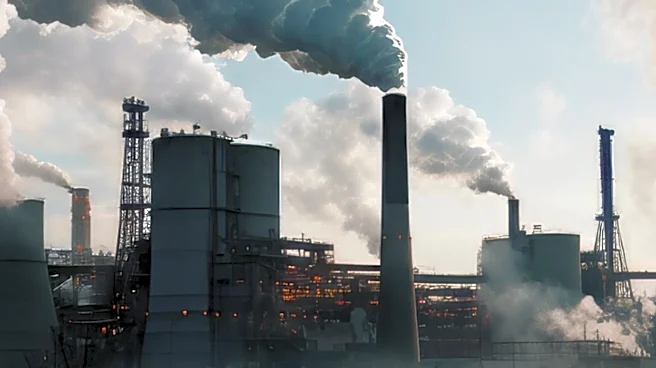
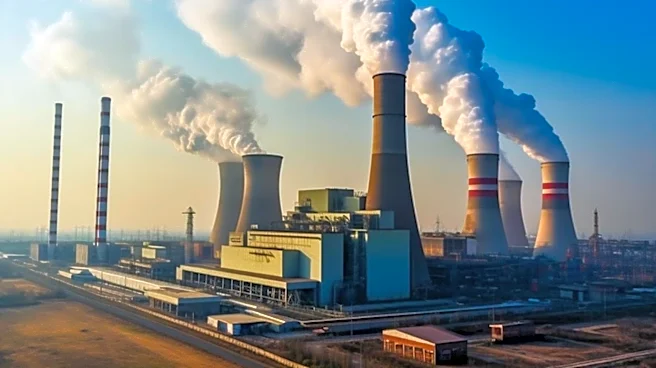
Carbon capture and storage (CCS) technology, once hailed as a key solution for decarbonizing hard-to-abate industries, is facing increasing skepticism. Despite initial optimism and significant investments from major oil companies and governments, many
CCS projects have failed to meet performance expectations. An Institute for Energy Economics and Financial Analysis review found that most CCS projects captured below design levels, highlighting ongoing technical challenges. Environmentalists argue that CCS is a form of greenwashing, diverting funds from more effective clean energy solutions. The high cost of CCS technology and its reliance on taxpayer support further complicate its viability.
Why It's Important?
The growing skepticism around CCS technology underscores the challenges of balancing economic and environmental goals in the transition to clean energy. As industries and governments invest heavily in CCS, the technology's underperformance could lead to financial losses and hinder progress in reducing carbon emissions. The debate over CCS also reflects broader tensions in energy policy, where the need for immediate emission reductions must be weighed against long-term sustainability. The outcome of this debate could influence future investments in clean energy technologies and shape the direction of global climate policy.
Beyond the Headlines
The controversy surrounding CCS technology raises ethical questions about the responsibility of industries and governments to pursue genuinely sustainable solutions. The reliance on CCS may delay the adoption of more effective decarbonization strategies, potentially exacerbating climate change impacts. Additionally, the high costs associated with CCS could disproportionately affect low-income communities, highlighting the need for equitable energy policies. As the world grapples with the urgency of climate action, the CCS debate serves as a reminder of the complexities involved in achieving a just and sustainable energy transition.