


What's Happening?
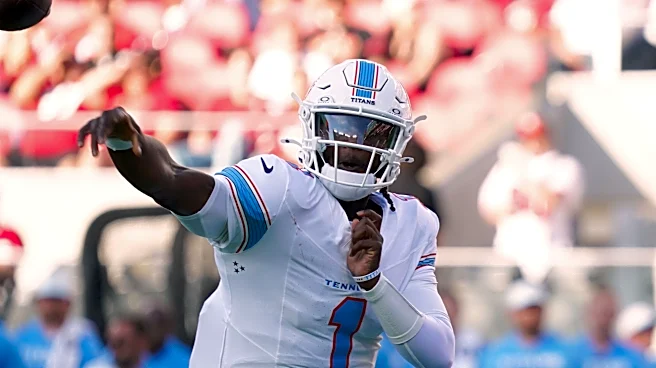
Michael Middlehurst-Schwartz of USA TODAY has ranked the Tennessee Titans offense as the second-worst in the NFL, placing them at No. 31 out of 32 teams. This ranking comes despite the Titans making significant offseason moves to improve their offensive
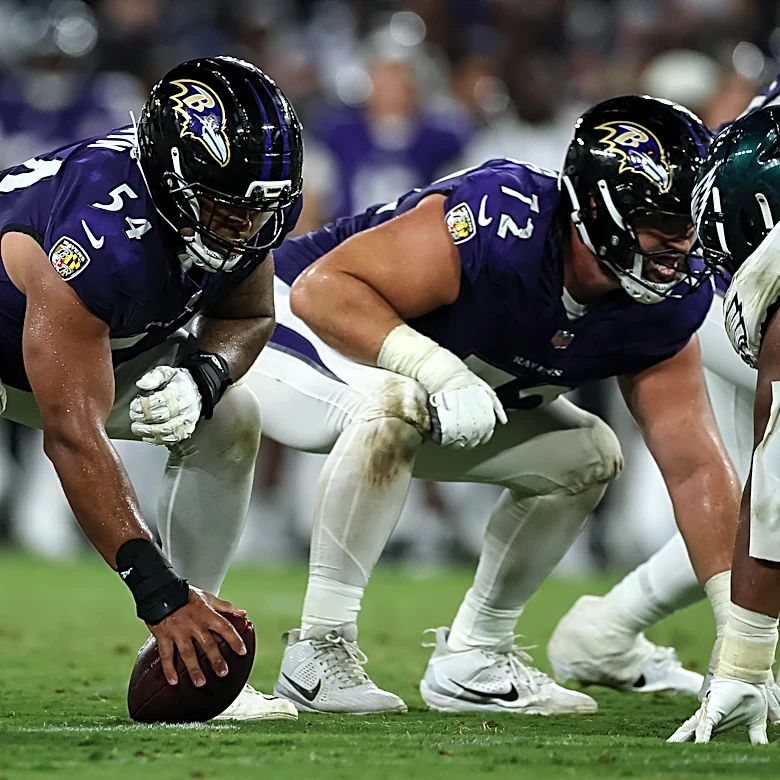
roster. The team has brought in Cam Ward at quarterback, Tony Pollard at running back, and Calvin Ridley at wide receiver, among other additions. The offensive line has also seen changes with new starters Austin Schlottmann and Fernando Carmona. The Titans' management believes these changes represent a substantial upgrade from the previous season. However, the NFL, as represented by this ranking, appears unconvinced by these improvements, placing them just above the Cleveland Browns, who were ranked last.
Why It's Important?
This ranking is significant as it reflects a low external perception of the Tennessee Titans' offensive capabilities, potentially impacting team morale and fan expectations. Despite the team's efforts to bolster its roster with key acquisitions like quarterback Cam Ward and running back Tony Pollard, the assessment suggests that these changes are not viewed as sufficient to elevate the team's offensive standing. A low ranking can influence how opponents prepare for games, potentially leading them to underestimate the Titans, which could be either a disadvantage or a motivating factor for the team. For fans and stakeholders, it sets a pessimistic tone for the upcoming season, potentially affecting ticket sales and local media narratives around the team's prospects.
What's Next?
The Tennessee Titans will likely use this low ranking as motivation as they head into the upcoming NFL season. The team's performance in the initial weeks of the season will be crucial in either validating or disproving USA TODAY's assessment. Key players like Cam Ward, Tony Pollard, and Calvin Ridley will be under pressure to demonstrate the effectiveness of the new offensive lineup. Should the Titans' offense perform better than expected, it could lead to a significant shift in public and media perception. Conversely, if their performance aligns with the low ranking, it could prompt further scrutiny of the team's offseason strategies and coaching staff.
Beyond the Headlines
The disparity between the Titans' internal assessment of their improved offense and external media perception highlights a common challenge in professional sports: managing expectations versus reality. While the team has invested in new talent, the ranking suggests that individual player acquisitions do not automatically translate into a high-performing unit in the eyes of analysts. This situation also underscores the subjective nature of preseason rankings, which are often based on projections and past performances rather than on-field results. The true measure of the Titans' offensive improvement will only be evident once the season begins, revealing whether their strategic offseason moves were truly impactful or merely cosmetic.