



What's Happening?
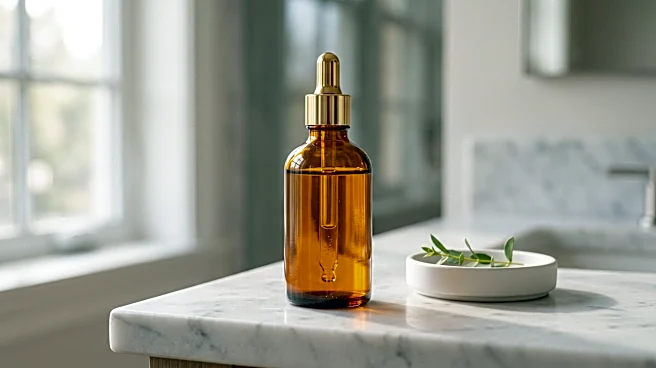
Estée Lauder's Advanced Night Repair Synchronized Multi-Recovery Complex serum, a long-standing product in the skincare market, has been reviewed for its claims and ingredient efficacy. The serum is positioned as a recovery product that supports the skin's
overnight repair processes and hydration. Key ingredients include bifida ferment lysate, sodium hyaluronate, tripeptide-32, squalane, tocopheryl acetate (vitamin E), caffeine, and bisabolol. The base is described as lightweight, oil-free, and silicone-light, allowing for easy layering. Independent assessments suggest the formula is solid, with bifida ferment lysate having the strongest support for barrier-related gene activity and inflammatory markers, though studies were often lab-based or used higher concentrations than estimated in the serum. Tripeptide-32's data primarily comes from Estée Lauder's own research. The serum is generally recommended for hydration and comfort rather than dramatic wrinkle reduction.
Why It's Important?
This review is important for consumers navigating the vast and often complex skincare market, particularly in the U.S. where beauty product claims are prevalent. Understanding the actual scientific backing behind popular products like Estée Lauder Advanced Night Repair allows consumers to make more informed purchasing decisions, aligning their expectations with realistic outcomes. For the beauty industry, such analyses highlight the importance of transparent ingredient disclosure and substantiated claims, potentially influencing product development and marketing strategies. It also underscores the role of independent assessments in validating or questioning brand narratives, fostering a more critical approach to beauty product efficacy among the public. This can lead to a shift in consumer demand towards products with stronger, independently verified scientific evidence.
What's Next?
Consumers who rely on this serum may continue to use it for its hydrating and barrier-supporting properties, understanding its limitations regarding dramatic anti-aging effects. The review suggests that while the ingredients are credible, the proof is stronger for hydration and comfort than for significant wrinkle changes. This could lead some users to seek additional products, such as retinoids or vitamin C serums, for more targeted concerns like fine lines or brightness. For Estée Lauder, continued independent scrutiny of their product claims may prompt further research or clearer communication about the specific benefits of their ingredients. The broader skincare market might see an increased demand for products with robust, independently replicated studies to support their efficacy, pushing brands to invest more in external validation.
Beyond the Headlines
The review of Estée Lauder Advanced Night Repair touches upon broader themes within the beauty industry, including the reliance on proprietary research versus independent validation. This raises ethical questions about how beauty brands present scientific data and the extent to which consumers can trust marketing claims without external verification. The emphasis on 'maintenance and support' rather than 'reversal' for cosmetic serums also highlights a more realistic approach to skincare, moving away from promises of dramatic transformation. This shift could influence cultural perceptions of beauty and aging, promoting a focus on skin health and well-being over unattainable ideals. Furthermore, the discussion of ingredients like synthetic dyes and preservatives underscores ongoing debates about product safety and suitability for sensitive skin, prompting consumers to be more vigilant about ingredient lists.