







What's Happening?
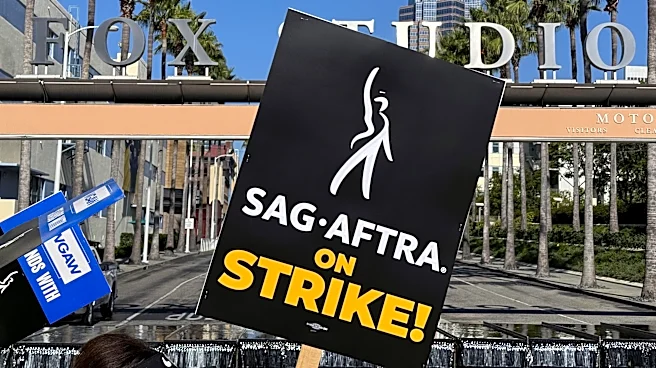
SAG-AFTRA, the American actors' union, has officially launched a new framework agreement called the Pre-Funding Pitch Interactive Media Agreement. This initiative aims to assist independent video game studios in the pre-production phase by allowing them
to legally hire union-affiliated voice actors and motion capture specialists under adapted conditions for creating pitching materials. Previously, studios had to adhere to the full Interactive Media Agreement tariffs, regardless of whether their project had secured funding. The new contract enables developers to recruit professional talent for 'vertical slices,' playable prototypes, internal demos, teasers, or presentation videos. Sean Astin, identified as the president of SAG-AFTRA, emphasized that this agreement helps developers elevate their projects by integrating professional voice and motion capture talent earlier in the process to create higher-quality products, with the goal of attracting both imagination and funding. Duncan Crabtree-Ireland, the union's national executive director and chief negotiator, highlighted the intent to simplify administrative procedures to provide creators with a decisive advantage in a highly selective funding market. The agreement includes strict eligibility criteria to prevent established publishers from misusing it for low-cost promotional trailers. For instance, studios must not have secured more than 30% of their initial production budget when recording sessions occur, and commercial exploitation or public dissemination of the prototype is strictly prohibited. Crowdfunding campaigns and studios already affiliated with a publisher are generally excluded, though specific waivers can be requested.
Why It's Important?
This new SAG-AFTRA agreement is crucial for the U.S. video game industry, particularly for independent developers who often struggle to secure funding without high-quality prototypes. By making professional voice and motion capture talent more accessible during the early stages of development, the union is directly addressing a significant barrier to entry and growth for smaller studios. This could lead to a more diverse and innovative gaming landscape, as independent creators will be better equipped to compete for investment. For union members, it expands work opportunities in a sector that has seen recent labor disputes regarding compensation and the role of artificial intelligence. The strict rules, such as the 30% funding cap and the prohibition of public dissemination, are designed to protect the integrity of the agreement and ensure that it genuinely supports pre-funding efforts rather than subsidizing established projects. This move also reflects a proactive approach by SAG-AFTRA to adapt to the evolving needs of the interactive media industry, balancing the protection of its members' rights with the practical realities faced by game developers. The emphasis on professional talent in early development stages could also raise the overall quality of video game pitches, potentially attracting more investment into the U.S. gaming market.
What's Next?
The implementation of the Pre-Funding Pitch Interactive Media Agreement is expected to streamline the process for independent game developers seeking funding. Studios will likely begin utilizing this new contract to enhance their prototypes and presentation materials, potentially leading to an increase in successful funding rounds for independent projects. The union will need to monitor the agreement's application to ensure compliance with its strict eligibility criteria, particularly regarding the 30% funding threshold and the non-commercial use of prototypes. There may be ongoing discussions and adjustments to the contract as the industry adapts to these new rules, especially concerning waivers for crowdfunding campaigns or affiliated studios. The success of this agreement could also influence future negotiations between SAG-AFTRA and the broader interactive media industry, potentially setting precedents for how talent is engaged in other early-stage creative projects. The focus on supporting independent creators might also encourage other unions or industry bodies to develop similar initiatives to foster innovation and provide opportunities for their members in emerging sectors.
Beyond the Headlines
This agreement touches upon broader ethical and economic considerations within the entertainment and technology sectors. It highlights the ongoing tension between the need for creative freedom and financial viability for independent creators, and the imperative to protect the rights and fair compensation of skilled labor. In an era where artificial intelligence is increasingly discussed as a potential disruptor in creative fields, this contract reinforces the value of human talent and expertise in the early stages of content creation. It also underscores the importance of unions in adapting to new industry models, demonstrating how they can evolve to support both their members and the industries they serve. The initiative could serve as a model for other creative industries facing similar challenges, where early-stage development often requires professional input but lacks the financial backing for full-scale engagement. This strategic move by SAG-AFTRA could foster a more collaborative environment between unions and independent creators, potentially leading to more sustainable and equitable practices across the interactive media landscape.