




What's Happening?
South Dakota State University Extension has released recommendations for fall care of native plants, emphasizing minimal maintenance and the ecological benefits of leaving plant material intact over winter. According to the Extension, leaving seed heads
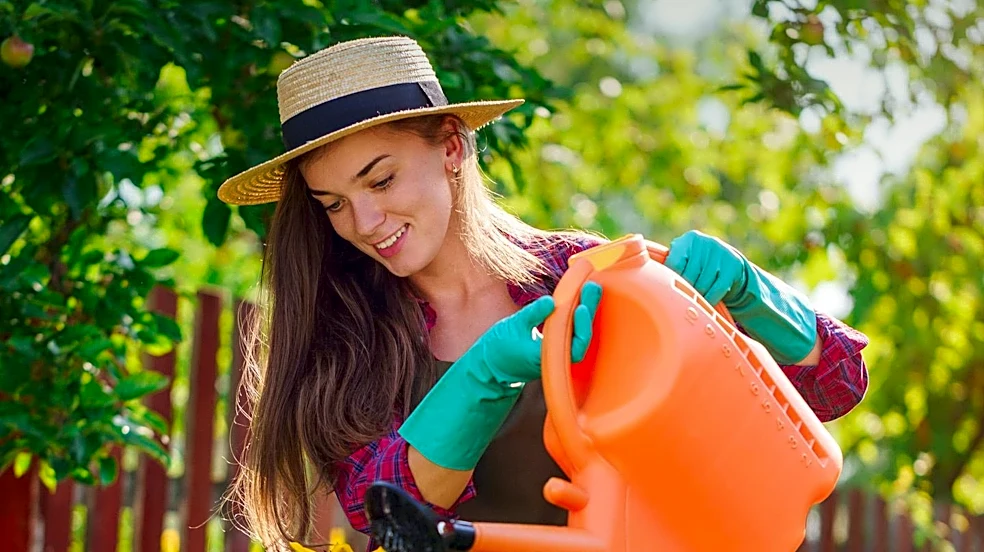
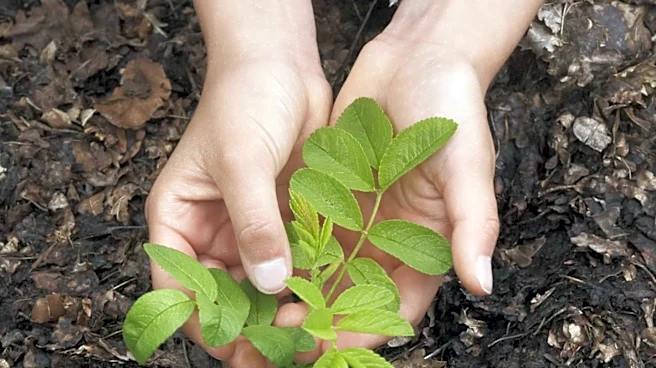
and grass stems provides food and shelter for birds and overwintering insects, including native bees and butterflies. Diseased plant material, however, should be cut back and discarded to prevent the spread of pathogens. For new plantings, fall is an ideal time, as roots can establish before the ground freezes, reducing stress and promoting better growth in spring. Thorough watering is advised if rainfall has been scarce, but it should be avoided immediately before a hard freeze to prevent plant damage. Mulching with fallen leaves is also recommended to insulate plants and provide habitat.
Why It's Important?
These guidelines are crucial for promoting sustainable gardening practices and supporting local ecosystems in the U.S., particularly in regions with cold winters. By advocating for reduced fall cleanup, the South Dakota State University Extension helps preserve vital winter habitats for pollinators and birds, which are essential for ecological balance. The advice on proper watering and mulching techniques ensures the survival and health of native plants through harsh winter conditions, reducing the need for chemical interventions and promoting biodiversity. This approach also educates gardeners on the long-term benefits of native plants, which often focus energy on root production in their first year, leading to more resilient and self-sustaining landscapes over time.
What's Next?
Gardeners and landscapers in cold regions are encouraged to adopt these fall native plant care practices. Educational workshops and outreach programs by university extensions will likely continue to promote these methods, fostering a greater understanding of ecological gardening. The long-term impact could include healthier local ecosystems, increased populations of beneficial insects and birds, and more resilient gardens that require less human intervention. This shift towards nature-friendly gardening aligns with broader environmental conservation goals and could influence public and private landscaping decisions across the country.
Beyond the Headlines
The recommendations from South Dakota State University Extension reflect a growing recognition of the interconnectedness between garden practices and ecological health. Moving away from pristine, manicured gardens towards more naturalized landscapes that support wildlife is a significant cultural shift. This approach challenges traditional aesthetic norms by highlighting the beauty and value of dormant plant structures and fallen leaves. It also underscores the importance of regional ecological knowledge, as native plants are uniquely adapted to local conditions and play a critical role in supporting indigenous fauna, contributing to a more biodiverse and sustainable environment.