
What's Happening?
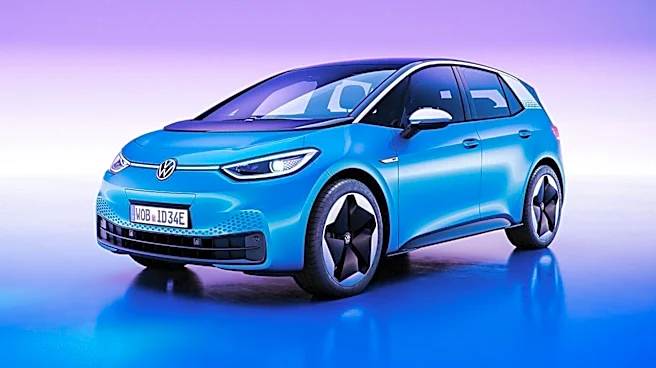
Volkswagen has unveiled the extensively enhanced and upgraded ID.3 Neo, an electric vehicle model that is a significant part of the company's new 'True Volkswagen' brand strategy. The ID.3 has been a successful
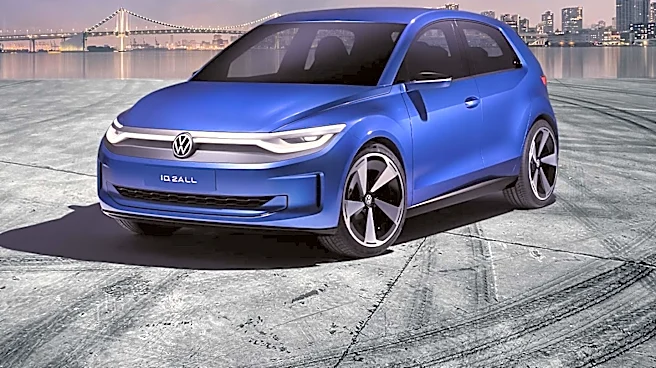
compact electric car in the European market, with approximately 78,000 new car buyers choosing it in 2025. In Germany, the ID.3, primarily used privately, ranked second last year after the ID.7. The new ID.3 Neo features a redesigned front end based on Volkswagen’s Pure Positive design language and a new light design. The interior boasts a systematically redesigned cockpit with intuitive controls and higher-quality materials. Technical improvements include a largely new and highly efficient drive system, offering a WLTP range forecast of up to 630 km with the largest battery option. Additionally, the ID.3 Neo will offer new features such as the Connected Travel Assist, a one-pedal driving function, and vehicle-to-load capability, allowing the car to serve as a power source for external devices. Pre-sales for the ID.3 Neo are scheduled to begin in April, with the market launch following in July.
Why It's Important?
The introduction of the ID.3 Neo underscores Volkswagen's commitment to expanding its electric vehicle portfolio and making electric mobility more accessible. By focusing on 'True Volkswagen' strengths like superior design, high quality, technical perfection, and intuitive operation, the company aims to appeal to a broader market. The enhanced range and new technological features, such as Connected Travel Assist and vehicle-to-load functionality, could set new benchmarks in the compact EV segment, potentially influencing consumer expectations and competitive offerings. For the U.S. market, while the ID.3 Neo is initially targeted at Europe, its advancements reflect Volkswagen's global EV strategy. Innovations developed for European models often find their way into U.S.-bound vehicles, indicating future trends in electric vehicle technology and design that American consumers can anticipate. This move also highlights the ongoing global shift towards more sophisticated and user-friendly electric vehicles, pushing other manufacturers to innovate further.
What's Next?
Volkswagen will commence pre-sales for the ID.3 Neo in April, with the official market launch slated for July. This phased rollout will allow the company to gauge initial consumer interest and gather feedback. The success of the ID.3 Neo in the European market will likely inform Volkswagen's future electric vehicle development and market strategies, potentially influencing the introduction of similar enhanced models or features in other regions, including the U.S. The integration of advanced driver-assistance systems like Connected Travel Assist and practical functionalities such as vehicle-to-load could become standard expectations for new EV models across the industry. Competitors will be closely observing the market reception of these innovations, which could lead to a ripple effect of similar technological advancements in the broader electric vehicle landscape. Volkswagen's continued focus on electric mobility for the masses suggests further investment in affordable and innovative EV solutions.
Beyond the Headlines
The ID.3 Neo's emphasis on 'True Volkswagen' virtues, such as superior design and intuitive operation, reflects a broader industry trend towards human-centric design in electric vehicles. As EVs become more mainstream, manufacturers are moving beyond just range and performance to focus on the overall user experience, including aesthetics, interior comfort, and ease of use. The vehicle-to-load function is particularly noteworthy, as it positions the EV not just as a mode of transport but as a versatile power hub, potentially changing how consumers view and utilize their vehicles in daily life and during emergencies. This capability could also accelerate the adoption of EVs by offering additional practical benefits beyond transportation. Furthermore, the focus on making electric mobility affordable and accessible, as highlighted by Volkswagen's strategy, is crucial for achieving widespread EV adoption and contributing to global sustainability goals, impacting energy infrastructure and consumer behavior in the long term.