







What's Happening?
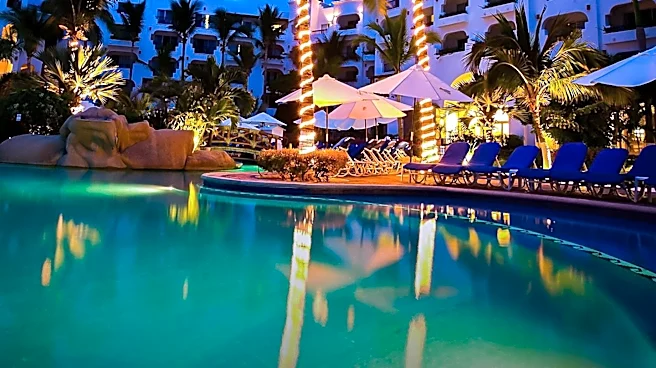
Hilton has converted two of its high-end luxury hotel brands in Mexico, Waldorf Astoria Riviera Maya and Conrad Tulum Riviera Maya, into all-inclusive experience models, effective October 1. The Waldorf Astoria Riviera Maya is now an adults-only, all-inclusive luxury resort
for guests aged 18 and older, a transition that will be fully implemented by January 10, 2027. The Conrad Tulum Riviera Maya has also become a multi-generational all-inclusive retreat, featuring a dedicated adults-only section called Ceiba Club for guests 18 and older. This strategic move by Hilton aims to meet the evolving demands of affluent travelers who seek ease, personalization, and quality without the constant need for transactional decisions during their stay. The all-inclusive model for these luxury brands emphasizes exceptional dining, bespoke experiences, wellness, and highly personalized service.
Why It's Important?
This shift by Hilton into the luxury all-inclusive market for its Waldorf Astoria and Conrad brands signifies a significant evolution in the hospitality industry, particularly for high-end travel. It reflects a growing consumer preference among affluent travelers for seamless, comprehensive experiences where costs are largely covered upfront, allowing for greater immersion in the destination without financial distractions. This move could set a new standard for luxury resorts, challenging traditional perceptions of all-inclusive offerings and potentially influencing other major hotel chains to adapt similar models. For the U.S. travel market, this means more refined and hassle-free luxury vacation options in popular destinations like Riviera Maya, catering to both adults-only and multi-generational segments. It also highlights a strategic business decision by Hilton to capture a larger share of the luxury travel market by aligning with contemporary traveler expectations.
What's Next?
As Hilton fully implements these all-inclusive models, particularly the adults-only transition for Waldorf Astoria Riviera Maya by January 10, 2027, the company will likely monitor guest feedback and market response closely. Existing reservations at Waldorf Astoria Riviera Maya that include guests under 18 with arrival dates on or after January 10, 2027, will be addressed with alternative accommodation options and personalized assistance. Hilton may expand this luxury all-inclusive concept to other properties or brands if these initial transitions prove successful. Competitors in the luxury hospitality sector will likely observe Hilton's strategy, potentially leading to similar offerings or innovative responses to capture this evolving market segment. The focus will remain on delivering distinctive, personalized experiences within the all-inclusive framework.
Beyond the Headlines
The transformation of these luxury hotels into all-inclusive resorts points to a deeper cultural and economic shift in how luxury is perceived and consumed. The desire for 'ease, personalization, and quality without compromise' suggests that modern luxury is less about overt opulence and more about curated, frictionless experiences that allow for genuine relaxation and immersion. This trend could have long-term implications for the travel industry, pushing brands to rethink their service models and value propositions. It also highlights the increasing importance of wellness, unique culinary experiences, and cultural engagement as integral components of a luxury vacation. The move by Hilton could also influence how travel agents and tour operators package and market luxury getaways, emphasizing the comprehensive nature and bespoke elements of these new all-inclusive offerings.