





What's Happening?
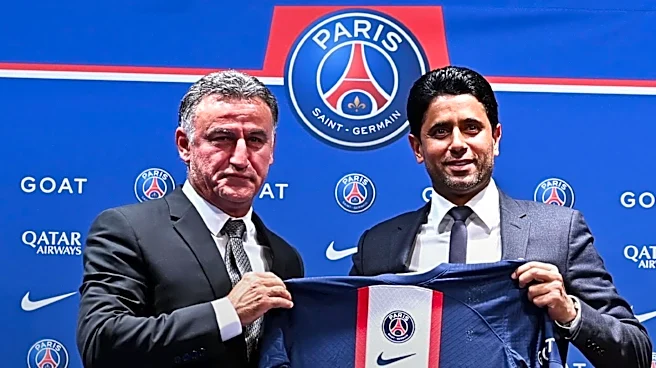
Paris Saint-Germain (PSG) president Nasser Al-Khelaifi appeared before judges to address allegations concerning the club's alleged digital harassment campaigns. Al-Khelaifi is involved in a judicial investigation where he is considered both a victim and
a potential suspect. The investigation centers on whether PSG utilized a communications agency to create fake social media accounts between 2018 and 2020 to target and harass individuals critical of the club's hierarchy. During his testimony, Al-Khelaifi denied any involvement in the operational details of such campaigns, stating that his role did not include micro-managing communication strategies or specific tactics. He clarified his relationship with former communications director Jean-Martial Ribes, a central figure in the investigation, by explaining that while Ribes held a senior position, the daily methods of his department were not subject to presidential oversight. Al-Khelaifi also asserted that he did not sign off on specific contracts or budgets related to these services, attributing such administrative tasks to other departments.
Why It's Important?
These allegations, if proven true, could significantly damage PSG's reputation as a prestigious international brand. The investigation into the alleged 'digital army' raises serious ethical and legal questions about corporate conduct in managing public image and dealing with criticism. For Al-Khelaifi, his current status as an 'assisted witness' rather than a formal suspect is crucial, as it prevents immediate legal repercussions while the broader investigation continues. However, the ongoing legal scrutiny could create uncertainty within the club's leadership and potentially affect its operations and relationships with stakeholders. The case also highlights the increasing complexity of managing online narratives and the potential misuse of digital tools for reputation management, setting a precedent for how sports organizations are held accountable for their online activities. The outcome could influence future regulations and ethical guidelines for digital communications in professional sports.
What's Next?
The investigation into PSG's alleged 'digital army' is ongoing, with several former associates and staff members already under investigation. Al-Khelaifi's status as an 'assisted witness' means that while there is some evidence linking him to the case's environment, it is not yet sufficient for a full indictment. The investigative judges will continue to gather evidence and testimony to determine the extent of the club's involvement and the responsibility of individuals. Further court proceedings and potential indictments of other former employees are likely. The club will need to navigate these legal challenges while maintaining its public image and operational stability. The broader implications for PSG's brand and leadership will depend on the final findings of the investigation and any subsequent legal actions or penalties.
Beyond the Headlines
This case delves into the darker side of modern public relations and reputation management, particularly in the digital age. The alleged use of a 'digital army' to silence critics raises concerns about freedom of speech, online manipulation, and the ethical boundaries of corporate communication. It underscores how powerful organizations might attempt to control narratives and suppress dissent through covert online operations. The investigation could expose systemic issues within the club's communication strategies and potentially lead to broader discussions about transparency and accountability in professional sports organizations. Furthermore, it highlights the legal complexities of prosecuting digital misconduct, especially when it involves international entities and online anonymity. The outcome of this case could set a significant precedent for how similar allegations are handled in the future, impacting how sports clubs and other large organizations manage their online presence and engage with public discourse.