






What's Happening?
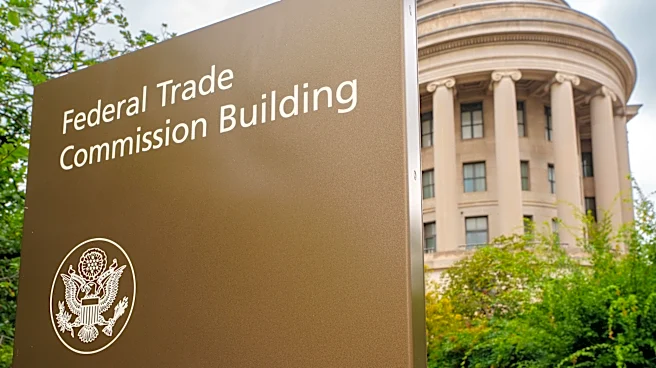
SHEIN has agreed to a $100 million settlement with the Federal Trade Commission (FTC) to resolve allegations of unfair and deceptive business practices. The complaint, filed in the U.S. District Court for the Central District of California, accused the online
retailer of several violations. These included failing to comply with federal shipping requirements, suppressing negative product reviews, providing inadequate customer service, and making unsubstantiated claims about its suppliers and cotton traceability. The FTC's case highlighted issues such as SHEIN's alleged use of only five agents for nearly one million daily U.S. packages, failure to provide legally required shipping delay notices, and making it difficult for consumers to resolve purchase-related issues. The Commission also challenged SHEIN's product review system, alleging that lower-rated reviews were subjected to additional screening and suppressed, distorting consumer comparison shopping.
Why It's Important?
This $100 million settlement serves as a significant warning to online retailers, extending beyond the fast fashion sector, about the critical importance of consumer protection and transparent business practices in the U.S. market. The FTC's action underscores that companies must not only meet federal shipping requirements and provide adequate customer service but also ensure the integrity of product reviews and substantiate claims about their supply chains. For consumers, this settlement aims to secure monetary relief and improve SHEIN's U.S. business practices, ensuring fairer treatment and more accurate information. For businesses, the case highlights the legal and operational challenges of scaling online retail, emphasizing that underinvestment in customer service, supplier oversight, and advertising substantiation can lead to substantial penalties and reputational damage, potentially impacting their ability to compete fairly.
What's Next?
Under the proposed order, SHEIN will be required to implement significant changes to its U.S. operations. These include providing both written and verbal customer service channels, responding to inquiries within a commercially reasonable timeframe, and allowing consumers a week to contest complaint resolutions before closure. The company will also face restrictions on its product review moderation practices and must substantiate all claims regarding supplier audits and cotton traceability. The settlement, if entered by the court, will impose permanent restrictions on aspects of SHEIN's U.S. operations and subject the company to 15 years of compliance monitoring. This will likely lead to increased operational costs for SHEIN as it invests in improved customer service and supply chain verification, potentially influencing its pricing strategies and competitive position in the U.S. market.
Beyond the Headlines
The FTC's case against SHEIN delves into deeper implications concerning the ethical responsibilities of e-commerce giants and the challenges of maintaining consumer trust in a globalized supply chain. The allegations regarding suppressed negative reviews and unsubstantiated supply chain claims touch upon issues of market manipulation and corporate accountability. This settlement could encourage other regulatory bodies to scrutinize similar practices across the e-commerce landscape, potentially leading to a broader crackdown on deceptive marketing and inadequate consumer support. It also highlights the growing consumer demand for transparency, particularly concerning product origins and ethical sourcing, pushing companies to invest more in verifiable supply chain practices. The long-term impact could be a shift towards more stringent self-regulation and increased investment in robust compliance frameworks within the online retail industry.