




What's Happening?
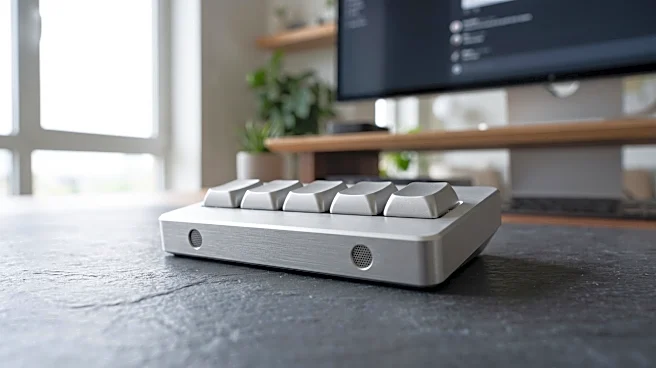
Genspark has introduced the SecondBrain VoicePad, an input device designed for Windows PCs and Macs that combines programmable physical keys with advanced voice controls. This CNC-machined aluminum device, weighing 85 grams, is engineered to seamlessly
integrate with various AI tools and applications. It features five customizable keys with tactile CHERRY MX Ultra Low Profile switches, which can be configured to open applications, trigger keyboard shortcuts, or launch AI tools like ChatGPT, Claude, Gemini, Grok, or Notion. The VoicePad connects via Bluetooth or USB-C and boasts a battery life of approximately 20 hours on a single charge. It also includes two noise-canceling microphones capable of capturing speech even at low volumes. A key feature is its ability to record conversations, save audio to a built-in memory chip, and then transcribe the file, generating summaries and lists of next steps. Additionally, it offers a live translation feature, supporting over 50 languages into English. The device is set to launch on Kickstarter on November 24, 2026, with initial units expected to ship in January 2027.
Why It's Important?
The introduction of the SecondBrain VoicePad signifies a notable advancement in productivity tools, particularly for professionals and individuals heavily reliant on AI applications and voice-to-text functionalities. By integrating programmable physical keys with sophisticated AI dictation and translation capabilities, Genspark aims to streamline workflows and enhance efficiency for users across various sectors. The device's ability to transcribe and summarize conversations, even when disconnected from a computer, offers a significant advantage for note-taking, meeting documentation, and content creation. Its compatibility with a wide range of AI tools positions it as a versatile accessory in an increasingly AI-driven work environment. The live translation feature could also break down language barriers in global communication, impacting international business and collaboration. The competitive pricing strategy for its Kickstarter launch suggests an effort to make advanced AI-powered productivity accessible to a broader market, potentially accelerating the adoption of such integrated technologies in daily professional life.
What's Next?
The SecondBrain VoicePad will be available for backing on Kickstarter starting November 24, 2026. Early bird pricing will range from $119 to $149, with a VIP launch price of $99 available for those who pay a reservation fee in advance. The device is listed at $169 in Genspark's online store. The purchase includes one year of unlimited real-time dictation and text translation, followed by a free allowance of 4,000 words per week. Users will also receive a one-time allotment of 1,000 Genspark credits, valid for 12 months, and an ongoing allowance of 300 free minutes per month for meeting transcription and AI summaries. First units are anticipated to ship in January 2027. The success of the Kickstarter campaign and subsequent market reception will determine the broader impact and availability of the VoicePad, potentially influencing future developments in AI-integrated input devices.
Beyond the Headlines
The SecondBrain VoicePad represents a broader trend towards the convergence of hardware and artificial intelligence to create more intuitive and efficient user interfaces. Its design, which prioritizes both physical control and advanced AI processing, highlights a shift in how users interact with digital tools. The emphasis on features like automatic filler word removal and voice command revisions suggests a move towards more natural and less cumbersome human-computer interaction. Furthermore, the device's ability to operate independently of a constant computer connection for recording and storing audio raises interesting implications for data privacy and security, as sensitive information could be stored on the device itself. The integration of live translation capabilities also points to a future where language barriers are increasingly diminished through personal AI assistants, potentially fostering greater global connectivity and understanding in both professional and personal contexts. This device could set a precedent for future peripheral technologies that blend physical input with intelligent software to enhance productivity.