




What's Happening?
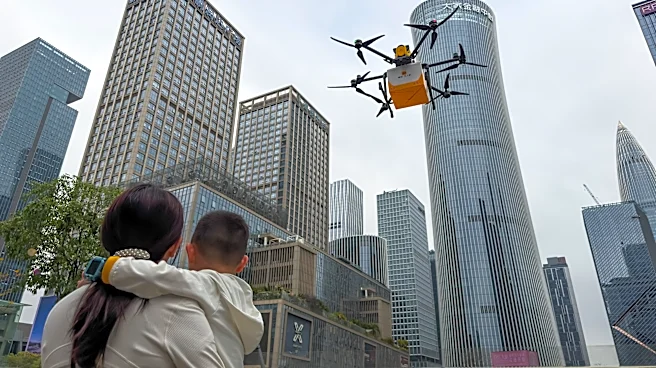
Amazon's Prime Air drone delivery service commenced operations in central Ohio on November 17, 2026, originating from the company's Etna fulfillment center. This new service promises package deliveries within 30 minutes or less to eligible customers residing
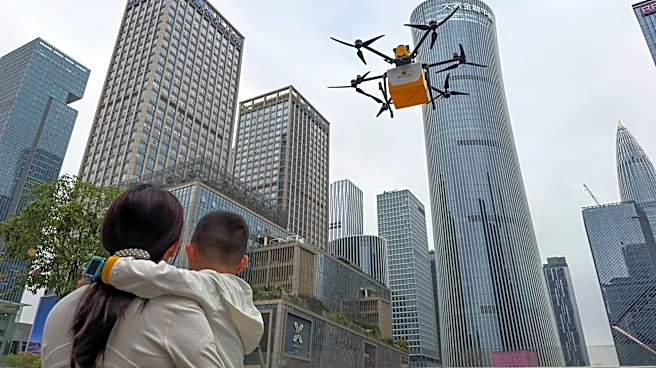
within a 7.5-mile radius of the Etna facility, encompassing parts of Pickerington, Reynoldsburg, and Pataskala. The Etna site marks Ohio's third Prime Air Drone Delivery Center, joining existing facilities in North Randall and Rossford. The introduction of drone deliveries has elicited varied responses from residents in eastern Columbus, with some appreciating the speed and efficiency, while others express concerns regarding noise and the visual presence of drones over their properties. The Columbus Dispatch reported on these divided opinions, noting that the drones are now an integral part of the delivery network rather than a demonstration. An incident in Huntington Woods, Michigan, on November 20, 2026, involved an 80-pound Amazon drone striking utility lines before crashing onto a garage roof, causing property damage but no injuries.
Why It's Important?
The expansion of Amazon's Prime Air drone delivery service into central Ohio signifies a significant step in the evolution of last-mile logistics in the U.S. This deployment highlights the ongoing shift towards automated delivery methods, potentially setting new standards for delivery speed and efficiency in urban and suburban areas. For consumers, it offers the convenience of rapid delivery for small items, which could reshape purchasing habits and expectations. However, the mixed reception from residents underscores emerging challenges related to integrating drone technology into daily life, particularly concerning noise pollution and privacy. The incident in Michigan also brings to the forefront safety and regulatory considerations for drone operations in populated areas, emphasizing the need for robust infrastructure and operational protocols to prevent accidents and mitigate risks. The success and public acceptance of these early deployments will likely influence the pace and scope of future drone delivery expansions across the nation.
What's Next?
Amazon plans to significantly expand its Prime Air service, aiming to reach nearly 500 U.S. cities and towns by the end of 2026. The upcoming holiday season will serve as the first major test for the Etna center's drone delivery service in eastern Columbus, as it will experience the busiest delivery period of the year. This period will provide crucial data on operational efficiency, customer adoption rates, and the impact of increased drone activity on local communities. The feedback and experiences of residents in the affected Ohio communities will likely influence Amazon's future strategies, potentially leading to adjustments in flight paths, operational hours, or drone technology to address concerns such as noise. Furthermore, regulatory bodies will likely monitor these expansions closely, and any further incidents could prompt stricter guidelines or increased scrutiny of drone delivery operations, impacting the broader rollout of such services across the United States.
Beyond the Headlines
The introduction of drone delivery services like Amazon Prime Air extends beyond mere logistical innovation, touching upon broader societal and environmental implications. On one hand, proponents argue that drones could reduce road traffic congestion and carbon emissions associated with traditional delivery vehicles, contributing to environmental sustainability. On the other hand, the increased presence of drones in residential airspace raises questions about noise pollution, visual intrusion, and potential impacts on local wildlife. The debate among residents in eastern Columbus reflects a growing tension between technological advancement and quality of life concerns. Legally and ethically, the widespread adoption of delivery drones will necessitate clearer regulations regarding airspace management, privacy rights, and liability in case of accidents. This technological shift could also influence urban planning, potentially leading to designated drone corridors or delivery zones, and may even spark new industries focused on drone maintenance, traffic control, and noise reduction technologies.