









What's Happening?
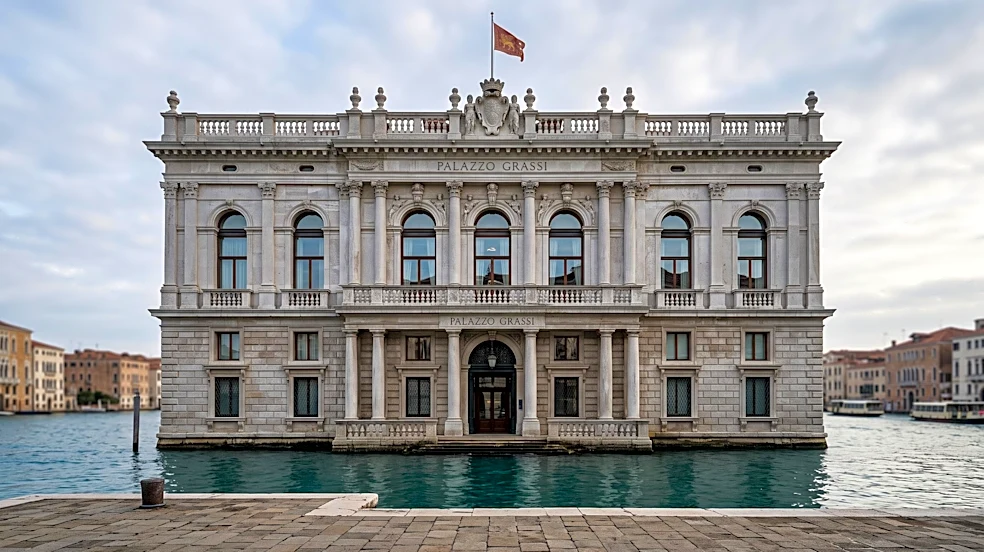
French billionaire art collector François Pinault has announced plans to establish a permanent display of his extensive art collection at the Palazzo Grassi gallery in Venice. This decision, confirmed in an interview with Le Monde, signifies a major shift
for the palazzo, which Pinault acquired in 2005 and opened in 2006. The new permanent exhibition will feature 106 pieces by 54 artists from his holdings. Consequently, the prestigious temporary exhibition program at Palazzo Grassi will conclude, with the current show by Kenyan-British artist Michael Armitage running until January 10, 2027. Temporary exhibitions will continue at Pinault's other Venetian venue, the Punta della Dogana. Pinault explained that the idea for a permanent display evolved over 20 years as his collection grew and became more structured, allowing for the juxtaposition of works from different periods and generations to explore persistent artistic questions.
Why It's Important?
This move by François Pinault represents a significant development in the global art world, particularly for Venice as a cultural hub. By dedicating Palazzo Grassi to a permanent display of his collection, Pinault is solidifying the legacy of his extensive holdings, which include over 10,000 contemporary art works. This ensures public access to a curated selection of his collection, offering a consistent artistic experience for visitors. The shift from temporary to permanent exhibitions at Palazzo Grassi will alter the dynamic of Venice's art scene, potentially drawing a different kind of art tourist and collector. It also highlights the growing trend of private collectors establishing their own museums or permanent exhibition spaces, thereby influencing art historical narratives and market values. Pinault's collection, known for its focus on Minimalism, Arte Povera, and African-American art, will provide a unique and continuous platform for these movements and artists, potentially increasing their visibility and scholarly attention.
What's Next?
The immediate next step will be the preparation and installation of the permanent collection at Palazzo Grassi following the conclusion of the Michael Armitage exhibition in January 2027. This will involve extensive curatorial work to arrange the 106 pieces by 54 artists in a cohesive and impactful manner. The art world will be keenly watching the critical reception of this permanent display and how it redefines Palazzo Grassi's role within Venice's cultural landscape. The continuation of temporary shows at Punta della Dogana suggests a dual strategy for Pinault's Venetian venues, offering both a stable collection and dynamic, rotating exhibitions. This decision may also influence other major private collectors to consider similar long-term strategies for their holdings, potentially leading to more permanent private museums globally. The impact on the local Venetian economy, particularly tourism and related cultural industries, will also be a point of observation.
Beyond the Headlines
Pinault's decision to establish a permanent display at Palazzo Grassi delves into deeper questions about the role of private collectors in shaping public art discourse and the institutionalization of private wealth in the art world. By making his collection permanently accessible, Pinault is not merely showcasing art but also asserting a particular vision of art history and contemporary art. His stated interest in African-American art, driven by 'encounters with extraordinary, almost shamanic figures,' highlights a conscious effort to diversify the art historical canon and explore 'alternative routes' beyond traditional Western narratives. This move could spark discussions about the ethical implications of private collections becoming de facto public institutions, including issues of access, interpretation, and the influence of individual taste on broader cultural narratives. It also underscores the increasing power of billionaire collectors to impact the art market and cultural landscape on a global scale, raising questions about philanthropy versus personal legacy.