


What's Happening?
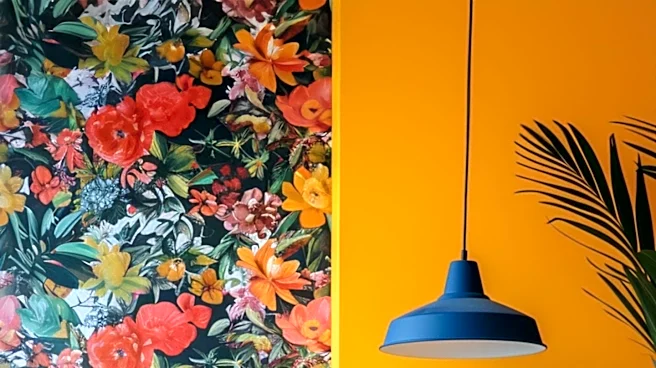
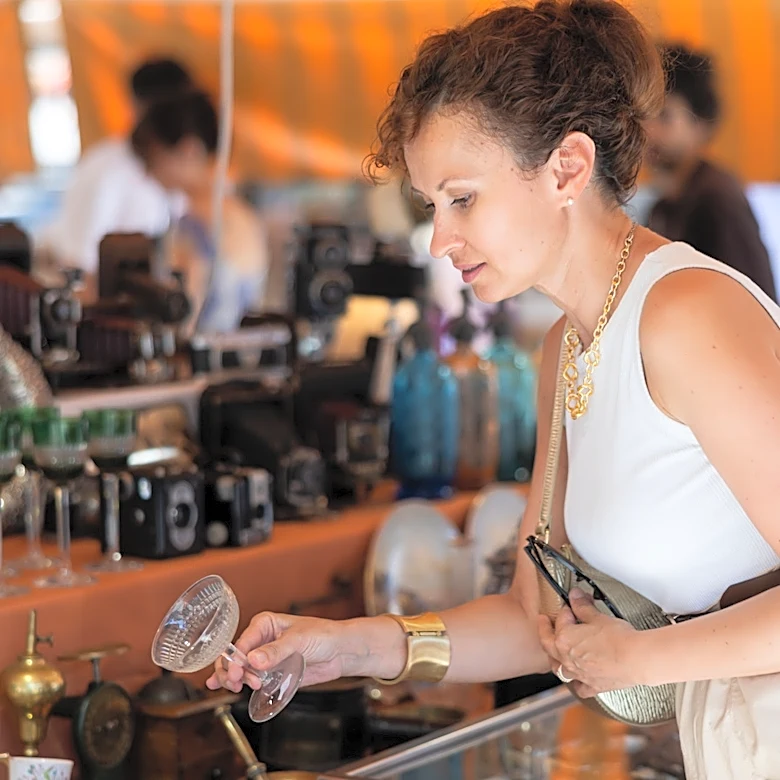
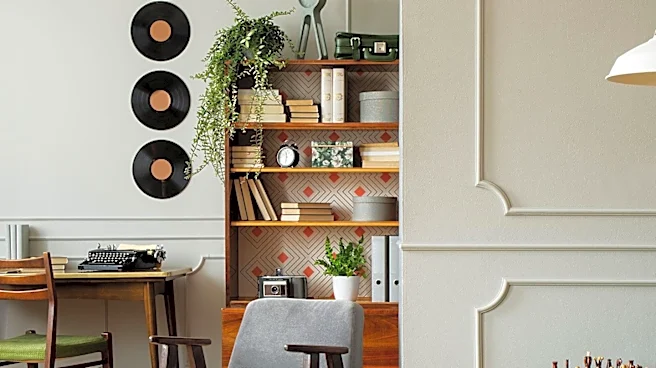
Cluttercore, a home decor trend characterized by a maximalist aesthetic, is becoming increasingly popular among young people. This style embraces clutter and incorporates eclectic, often vintage items, creating visually rich and sometimes chaotic spaces.
It stands in stark contrast to minimalism, which prioritizes simplicity and decluttering. Cluttercore is part of a broader movement of internet aesthetics, which also includes styles such as cottagecore, witchcore, and Y2K. The trend reflects a shift in preferences, moving away from sparse, clean lines towards more personalized and expressive environments. This aesthetic allows individuals to display a wide array of possessions, often mixing various cultural and historical elements to achieve a unique and lived-in feel. The appeal of cluttercore lies in its ability to create a sense of comfort and individuality, where every item tells a story and contributes to the overall character of a space.
Why It's Important?
The rise of cluttercore signifies a notable shift in consumer preferences within the home decor market, particularly among younger demographics in the U.S. This trend challenges the long-standing dominance of minimalist design, potentially impacting industries ranging from furniture and home goods manufacturing to retail and interior design services. Businesses that have historically catered to minimalist tastes may need to adapt their product lines and marketing strategies to accommodate the demand for more eclectic, vintage, and maximalist items. This could lead to increased sales for antique dealers, thrift stores, and artisans specializing in unique or handcrafted goods. Furthermore, the emphasis on personalization and storytelling within cluttercore could influence how consumers approach purchasing decisions, prioritizing items with character and history over mass-produced, generic pieces. This shift could also foster a more sustainable consumption model, as vintage and second-hand items are central to the cluttercore aesthetic, potentially reducing demand for new production and promoting reuse.
What's Next?
As cluttercore continues to gain traction, it is likely to influence product development and marketing strategies across various sectors. Retailers may begin to curate collections that blend diverse styles and eras, offering consumers a wider array of unique and character-filled items. We might see an increase in collaborations between home decor brands and vintage sellers or artists to cater to this aesthetic. Interior designers may also incorporate cluttercore principles into their projects, moving away from strictly minimalist designs to create more personalized and layered spaces for clients. Furthermore, the trend could inspire new digital platforms and communities dedicated to sharing cluttercore ideas, tips, and sourcing unique items. The longevity of cluttercore will depend on its ability to evolve and adapt, but its current popularity suggests a sustained interest in expressive and individualized home environments, potentially leading to a lasting impact on design trends and consumer behavior.
Beyond the Headlines
The emergence of cluttercore extends beyond mere aesthetic preference, reflecting deeper cultural and psychological shifts, particularly among younger generations. In an increasingly digital and often impersonal world, cluttercore offers a tangible way for individuals to express their identity and create a sense of belonging within their physical spaces. It can be seen as a rebellion against the perceived sterility and uniformity of minimalist trends, allowing for a more authentic and less curated representation of one's life and interests. This trend also highlights a growing appreciation for nostalgia and the stories embedded in objects, fostering a connection to the past and a rejection of disposable consumerism. Ethically, cluttercore's emphasis on vintage and second-hand items promotes sustainability and reduces waste, aligning with broader environmental consciousness. Psychologically, surrounding oneself with meaningful objects can contribute to a sense of comfort, security, and personal narrative, transforming a living space into a sanctuary that reflects one's unique journey and passions.