






What's Happening?
A YouGov report indicates that 76% of U.S. consumers aged 65 and above, primarily Boomers, spend up to $100 on fast food monthly. This figure is higher than that of Gen Z (56%) and Millennials (50%) in the same spending bracket. However, only 2% of Boomers spend over
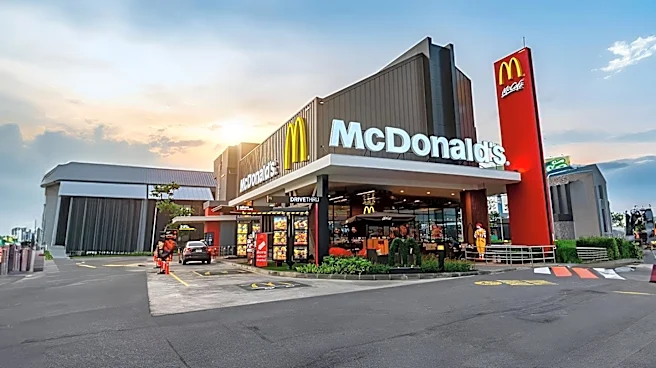
$300 per month on fast food, which is the lowest percentage among all age groups. When Boomers do purchase fast food, 71% prefer using drive-thru lanes. In contrast, Gen Z consumers are more likely to opt for delivery (51%) and utilize online ordering platforms or kiosks. The report also highlights generational differences in preferred fast-food chains: Boomers favor Wendy's, McDonald's, and Subway, while Gen Z and Millennials lean towards McDonald's, Chick-fil-A, and Taco Bell. These findings suggest distinct dining habits and technological preferences across generations.
Why It's Important?
These insights are crucial for the U.S. fast-food industry, as they highlight the need for tailored marketing and service strategies for different age demographics. The preference of Boomers for drive-thrus underscores the continued importance of traditional service models, while the younger generations' reliance on delivery and digital ordering points to the necessity of investing in technology and online platforms. Understanding these spending patterns and preferences can help fast-food chains optimize their operations, menu offerings, and marketing campaigns to attract and retain customers from various age groups. For instance, chains popular with Boomers might focus on maintaining efficient drive-thru services and familiar menu items, while those targeting younger consumers would prioritize app development, delivery partnerships, and trendy offerings. This generational divide in consumer behavior impacts revenue streams and competitive positioning within the highly saturated fast-food market.
What's Next?
Fast-food companies are likely to continue adapting their strategies to cater to these diverse generational preferences. This could involve further investment in drive-thru efficiency and customer service training for Boomer-preferred chains, while others might expand their digital infrastructure, develop more user-friendly apps, and forge stronger partnerships with food delivery services to appeal to Gen Z and Millennials. Menu development may also see a bifurcation, with some chains focusing on classic comfort foods for older demographics and others introducing innovative, health-conscious, or customizable options for younger patrons. The ongoing evolution of technology and consumer habits will necessitate continuous monitoring and adjustment of these strategies to maintain market relevance and capture spending from all age groups.
Beyond the Headlines
The differing fast-food habits reflect broader societal shifts in technology adoption and lifestyle choices across generations. Boomers, having grown up with the rise of traditional fast food, often prefer established methods like drive-thrus and familiar brands, indicating a preference for convenience without extensive digital interaction. Younger generations, who are digital natives, seamlessly integrate technology into their dining experiences, favoring delivery and online ordering. This divergence extends beyond fast food, influencing retail, entertainment, and communication. The 'digital divide' in consumer behavior presents both challenges and opportunities for businesses across various sectors, prompting them to consider how to bridge this gap or specialize in serving particular generational segments. The findings also subtly highlight the cultural impact of fast food, which has evolved from a novel convenience for Boomers to an integral part of the digital-first lifestyle for younger consumers.