





What's Happening?
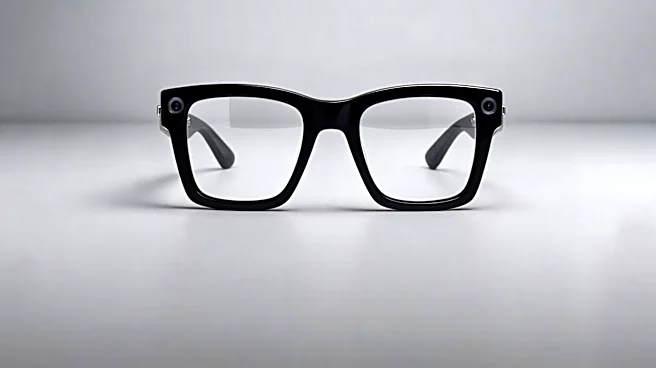
Even G2 Smart Glasses are being highlighted for their unique approach to wearable technology by intentionally excluding a camera. This design choice directly addresses growing privacy concerns associated with smart glasses. Instead of imaging capabilities,
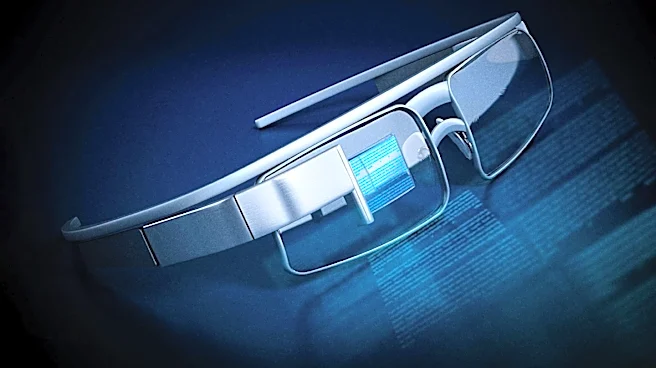
the Even G2s concentrate on enhancing productivity through features such as real-time translation across 35 languages, in-lens teleprompters for presentations, and calendar notifications. These functionalities are displayed within the lens in a manner that is largely invisible to external observers, ensuring discretion for the user. The glasses are priced at $600 and are positioned as a solution for users seeking smart glass utility without the privacy implications of integrated cameras.
Why It's Important?
The introduction of Even G2 Smart Glasses marks a significant development in the wearable technology market, particularly concerning user privacy. As smart glasses become more prevalent, public apprehension regarding constant recording and data collection has intensified. By removing the camera, Even G2 directly responds to these concerns, potentially setting a new standard for privacy-conscious wearable devices. This could influence other manufacturers to consider similar design choices, fostering a more diverse market that caters to varying user preferences for privacy versus functionality. For consumers, it offers a clear choice: a device focused purely on utility and discretion, which might accelerate the adoption of smart glasses among those previously hesitant due to privacy worries. This move could also impact regulatory discussions around wearable tech, emphasizing the importance of privacy-by-design principles.
What's Next?
The market reception of the Even G2 Smart Glasses will likely indicate the demand for privacy-focused wearable technology. If successful, this could encourage other tech companies to explore similar camera-less or privacy-enhanced smart glass models. This shift might lead to a broader industry trend where manufacturers offer different versions of smart glasses—some with cameras for specific applications and others without for general productivity and privacy. Furthermore, the emphasis on features like real-time translation and teleprompting could drive innovation in these specific areas, making smart glasses more indispensable tools for professionals and international communicators. The success of Even G2 could also influence public perception and acceptance of smart glasses, potentially normalizing their use in everyday settings where camera-equipped devices might be viewed with suspicion.
Beyond the Headlines
The design philosophy behind the Even G2 Smart Glasses touches upon deeper ethical and societal implications regarding technology integration into daily life. The decision to omit a camera is not merely a technical specification but a statement about user autonomy and the right to privacy in an increasingly surveilled world. This could spark broader conversations about the default features of new technologies and whether privacy should be an opt-in or opt-out consideration. It also highlights the tension between technological advancement and personal boundaries. As augmented reality and wearable tech become more sophisticated, the Even G2's approach could serve as a precedent for how companies navigate the delicate balance between offering advanced capabilities and respecting individual privacy, potentially influencing future product development and consumer expectations across the tech industry.