




What's Happening?
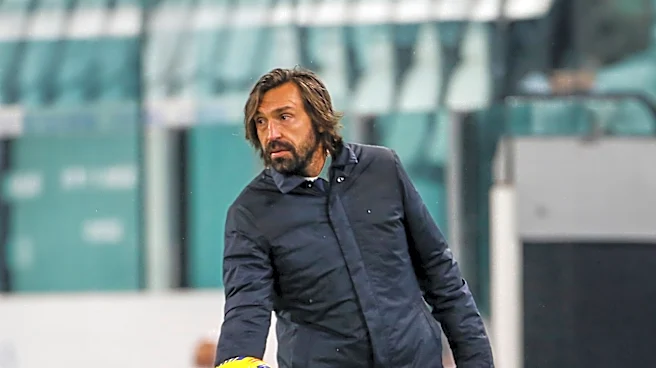
Paolo Maldini, former technical director of the Italian Football Federation (FIGC), has stated that there were no legal obstacles to appointing Andrea Pirlo as the head coach of the Italy national team. Maldini, in an interview with Corriere della Sera,
explained that the decision to block Pirlo's appointment was influenced by public opinion and internal FIGC politics, rather than legal issues. Maldini had attempted to appoint Pirlo after failing to secure Carlo Ancelotti and Pep Guardiola for the role. However, Pirlo's association with the Russian betting company Fonbet raised ethical concerns, which some FIGC members cited as potential legal issues. Despite these concerns, Maldini insists that Pirlo was willing to sever ties with Fonbet and that no legal barriers existed. Ultimately, FIGC President Giovanni Malagò decided against Pirlo's appointment, leading to Maldini's resignation after just 17 days in his role.
Why It's Important?
This development highlights the complex interplay between public opinion, ethical considerations, and internal politics in sports administration. The decision not to appoint Pirlo, despite Maldini's assurances of no legal issues, underscores the influence of public perception and internal dynamics within sports organizations. The situation also reflects broader challenges in sports governance, where ethical affiliations and public image can significantly impact decision-making processes. For the Italian national team, this decision could affect its strategic direction and performance, as leadership choices are crucial for team success. Additionally, Maldini's resignation points to potential instability within the FIGC, which could have long-term implications for Italian football governance.
What's Next?
The FIGC will need to appoint a new head coach for the national team, a decision that will likely involve careful consideration of public opinion and internal consensus. The organization may also need to address the internal dynamics that led to Maldini's resignation to ensure stability and effective governance. For Pirlo, the situation may prompt a reevaluation of his professional affiliations and future career opportunities. The broader sports community will be watching how the FIGC navigates these challenges, as it could set precedents for handling similar situations in the future.
Beyond the Headlines
This incident raises questions about the role of ethics in sports leadership appointments. The controversy over Pirlo's ties to a betting company highlights the growing scrutiny of sports figures' affiliations and the potential conflicts of interest they may present. It also reflects a broader societal shift towards greater accountability and transparency in sports governance. The situation may prompt other sports organizations to reevaluate their ethical standards and decision-making processes, potentially leading to more stringent guidelines for leadership appointments.