

What's Happening?
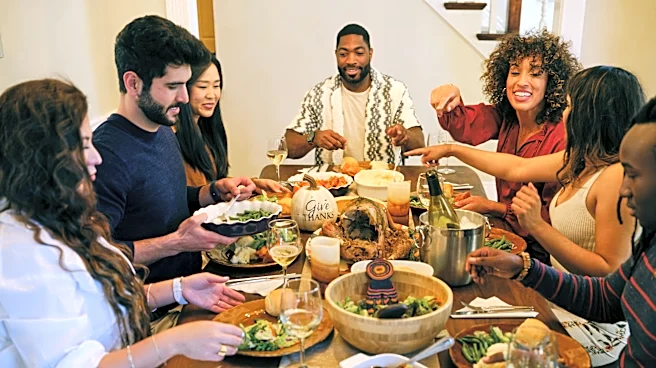
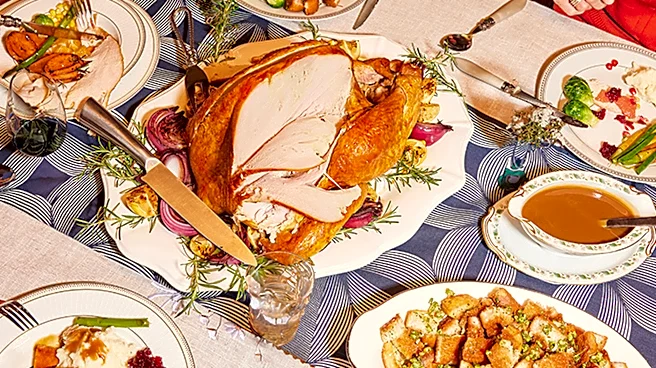
Chef Dennis Littley, founder of Ask Chef Dennis, has highlighted seven Thanksgiving dishes that frequently divide opinion among diners but remain holiday traditions. According to Fox News Digital, these dishes, ranging from canned cranberry sauce to marshmallow-topped
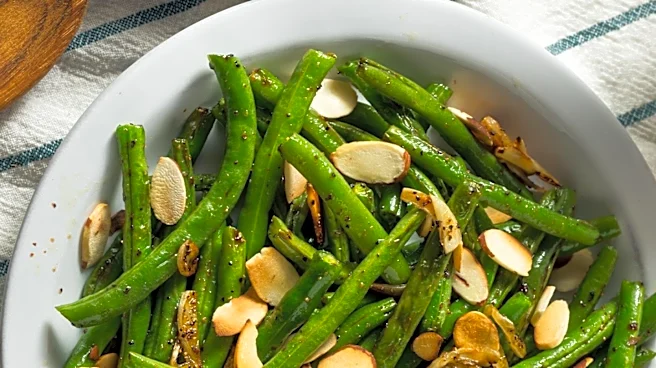
sweet potatoes, are often served due to their strong ties to family traditions and childhood memories, even if they are not universally loved. Littley notes that the emotional connection to these foods often outweighs individual preferences. The list includes canned jellied cranberry sauce, green bean casserole, Jell-O salads, ambrosia salad, turnips, coleslaw, and marshmallow-topped sweet potatoes. Each dish has its proponents and detractors, with some finding them nostalgic and essential, while others describe them as unappetizing. For instance, canned cranberry sauce, commercialized by Ocean Spray, is polarizing due to its sweetness and texture. Green bean casserole, created by Campbell’s in 1955, is often criticized for its use of canned ingredients. Jell-O salads and ambrosia salad, once symbols of luxury, continue to appear on some tables despite mixed reactions. Turnips are often disliked for their bitter taste when overcooked, while coleslaw is a regional favorite for some. Marshmallow-topped sweet potatoes, a dish originating from a 1917 marketing campaign, also elicit strong, often negative, opinions.
Why It's Important?
The persistence of these divisive Thanksgiving dishes underscores the significant role of tradition and nostalgia in American culture, particularly during holidays. This phenomenon highlights how food, beyond its nutritional value, serves as a powerful symbol of family history and cultural identity. For the food industry, understanding these deeply ingrained preferences and aversions can influence product development and marketing strategies, especially for seasonal items. While some dishes like canned cranberry sauce and green bean casserole have become staples through commercial promotion, their continued presence reflects consumer loyalty to established holiday norms rather than universal culinary appeal. This dynamic also reveals a broader consumer behavior trend where emotional connections often override objective taste preferences, impacting purchasing decisions for holiday-related goods. The discussion around these dishes also fosters a sense of community and shared experience, as many Americans can relate to the debate over whether to embrace or avoid certain traditional foods on Thanksgiving.
What's Next?
As Thanksgiving approaches each year, the debate and discussion surrounding these traditional yet divisive dishes are likely to resurface. Food publications, culinary experts, and home cooks will continue to share opinions, recipes, and variations of these classic items. We can anticipate ongoing conversations on social media platforms and in family gatherings about the merits and drawbacks of serving dishes like green bean casserole or Jell-O salad. Some families may experiment with updated versions of these recipes, incorporating fresh ingredients or modern culinary techniques to make them more palatable to contemporary tastes, while others will staunchly defend the original, traditional preparations. Food brands that produce ingredients for these dishes, such as Ocean Spray or Campbell's, will likely continue to see seasonal spikes in sales, reinforcing the enduring nature of these traditions. The cultural conversation will also likely continue to explore the balance between preserving heritage and adapting to evolving culinary preferences.
Beyond the Headlines
The enduring presence of these polarizing Thanksgiving dishes reflects a deeper cultural tension between tradition and innovation in American society. These foods are not merely sustenance; they are artifacts of family history, often passed down through generations, embodying memories and a sense of belonging. The debate over their inclusion on the holiday table can symbolize broader generational shifts in taste, health consciousness, and culinary adventurousness. Ethically, the continued serving of dishes that some family members dislike can be seen as a benign form of cultural obligation, where personal preference is sometimes set aside for the sake of collective ritual. Legally, there are no implications, but culturally, these dishes highlight the power of collective memory and the emotional weight attached to holiday customs. This phenomenon also speaks to the resilience of certain food trends, even those that might be considered outdated or unappetizing by modern standards, demonstrating how deeply ingrained cultural practices can resist change.