




What's Happening?
The University of Rhode Island (URI) Cooperative Extension is offering a Home Horticulture Certificate program starting in January 2027. This three-month virtual program is designed for individuals interested in horticulture, ranging from beginners to
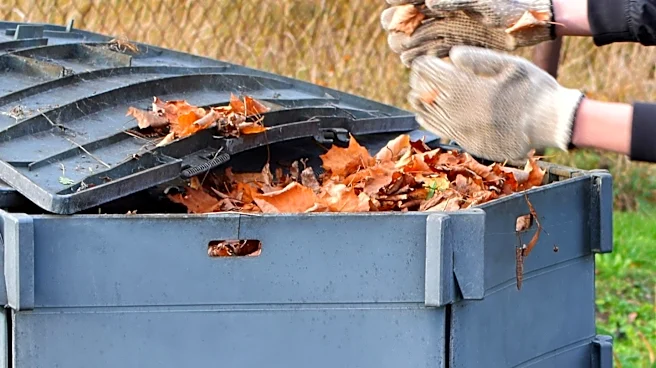
expert gardeners, landscape business owners, or those seeking career changes. The comprehensive 14-week course covers various topics, including basic botany, soil nutrition, and growing vegetables. Lectures are held weekly on Thursdays from 6 to 8 p.m. via Zoom, with optional in-person practicums available at URI in the spring. Sejal Lanterman, an instructor with nearly 20 years of experience, will teach the 'Composting 101' module, focusing on practical methods to convert food scraps into resources. The program aims to connect scientific principles with everyday gardening practices. Applications for the course are due by December 1.
Why It's Important?
This program is significant for several reasons. It provides accessible, science-based horticultural education to a broad audience, fostering greater knowledge and skill in sustainable gardening practices. The inclusion of a dedicated composting module highlights the growing importance of waste reduction and soil health in home and professional gardening. By teaching practical composting techniques, URI is empowering individuals to divert organic waste from landfills, thereby reducing environmental impact and creating valuable soil amendments. This initiative supports local food systems and promotes self-sufficiency in food production, aligning with broader environmental sustainability goals. For professionals, the certificate can enhance their expertise and service offerings, while for home gardeners, it provides tools for more effective and eco-friendly gardening.
What's Next?
Prospective students must register for the URI Home Horticulture Certificate program by December 1. Following registration, the virtual program will commence in January 2027, with weekly lectures and assignments continuing through April 29. Participants will engage in a practical final project and have the option to attend in-person pruning practicums. The program's success could lead to continued offerings and potentially inspire similar educational initiatives at other institutions, further expanding access to horticultural knowledge and sustainable practices. Graduates are expected to apply their learned skills in their personal gardens or professional roles, contributing to more sustainable communities and improved environmental stewardship.
Beyond the Headlines
The URI program reflects a broader societal shift towards sustainability and a renewed interest in home-based food production and waste management. By emphasizing composting, the course addresses critical issues such as landfill reduction, soil degradation, and the circular economy. This educational offering not only imparts practical skills but also cultivates a deeper connection between individuals and nature, promoting environmental awareness and responsibility. The program's virtual format makes it accessible to a wider demographic, democratizing horticultural education. This initiative could foster a more resilient local food system and encourage community-level efforts in composting and sustainable living, contributing to long-term ecological benefits and healthier urban and suburban environments.