







What's Happening?
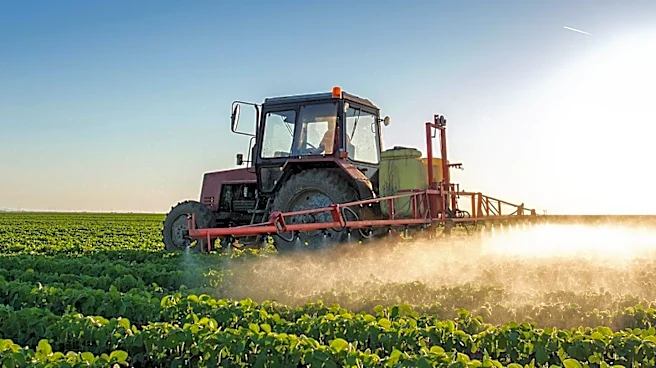
Driscoll's, a major U.S. supplier of berries, is facing allegations that approximately half of its exports to Canada contained pesticide levels exceeding the standards set by the Canadian Food Inspection Agency (CFIA). A whistleblower lawsuit filed by former
employee David Harada claims that over-spraying and the removal of food safety compliance parameters for berries destined for Canada led to these elevated chemical levels. The CFIA has confirmed that higher-than-permissible pesticide levels were found on Driscoll's berries. In response, Driscoll's has stated that it has amended its controls to comply with Canadian standards and maintains that it never knowingly shipped unsafe products. The company supplies raspberries, strawberries, blueberries, and blackberries primarily grown in California and Mexico, with some seasonal products sourced from other regions, including parts of Canada.
Why It's Important?
This situation highlights potential discrepancies in food safety regulations and enforcement between the U.S. and Canada, impacting consumer confidence and trade relations. For U.S. agricultural producers like Driscoll's, adherence to international food safety standards is crucial for market access and brand reputation. Non-compliance can lead to significant financial penalties, import restrictions, and a loss of consumer trust, potentially affecting the broader U.S. berry industry. The incident also underscores the importance of whistleblower protections in identifying and addressing public health concerns related to food supply chains. Consumers in both countries may become more vigilant about the origin and chemical treatment of their produce, potentially driving demand for organically grown or certified low-pesticide options.
What's Next?
Driscoll's will likely continue to implement and demonstrate its updated control measures to ensure compliance with Canadian pesticide standards. The whistleblower lawsuit will proceed, potentially revealing further details about the company's past practices and the extent of the alleged non-compliance. Food safety experts anticipate that this incident will prompt a broader discussion about chemical use in produce and the harmonization of international food safety regulations. Canadian consumers may demand increased transparency and stricter oversight of imported produce. Regulatory bodies in both the U.S. and Canada might review their inspection protocols and collaboration efforts to prevent similar issues in the future, potentially leading to new guidelines or enforcement actions for agricultural exporters.
Beyond the Headlines
The allegations against Driscoll's touch upon the complex ethical considerations surrounding agricultural practices and global food supply. The pursuit of efficiency and cost-effectiveness in large-scale farming can sometimes lead to practices that compromise environmental and public health standards. This case could trigger a deeper examination of the balance between agricultural productivity, pesticide use, and consumer safety. It also raises questions about corporate accountability and the effectiveness of internal compliance mechanisms versus external regulatory oversight. The long-term implications could include a shift in consumer preferences towards locally sourced or more transparently produced food, and increased pressure on governments to establish more stringent and globally consistent food safety standards, particularly concerning pesticide residues.