
What's Happening?
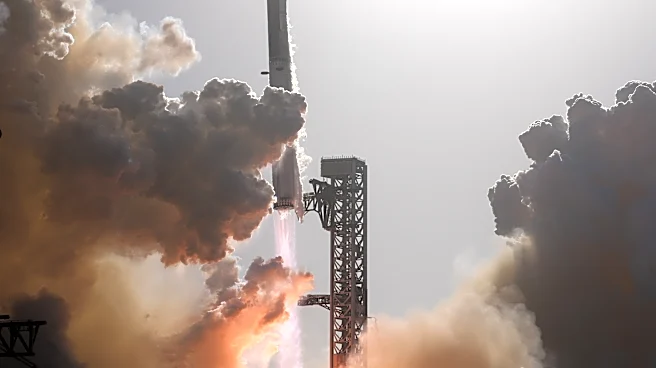
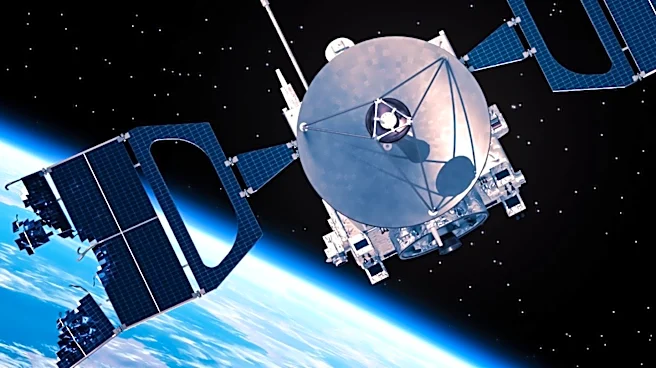
SpaceX's future profitability is heavily dependent on the success of its Starlink satellite internet service, according to market analysts. Despite a post-IPO decline in SpaceX's stock value, Wall Street
remains optimistic about the company's potential to turn a profit by 2027, driven by strong demand for Starlink. Analysts emphasize that Starlink's subscriber growth is crucial for generating the cash flow needed to support SpaceX's ambitious projects, such as the Starship rocket. However, concerns remain about the potential impact of insider share sales and uncertainties surrounding SpaceX's AI business and a possible merger with Tesla.
Why It's Important?
The performance of Starlink is critical not only for SpaceX's financial health but also for its ability to fund future space exploration initiatives. The success of Starlink could position SpaceX as a leader in satellite internet services, potentially disrupting traditional telecommunications industries. However, the company's reliance on Starlink also poses risks, as any setbacks in subscriber growth or technological advancements could negatively impact its financial stability. Additionally, the potential for insider share sales following the expiration of lock-up periods could create volatility in SpaceX's stock price.
What's Next?
Investors will be closely monitoring Starlink's subscriber growth and SpaceX's progress with its Starship rocket. The upcoming expiration of insider lock-up periods could lead to increased stock market activity, affecting SpaceX's valuation. Furthermore, any developments regarding a potential merger with Tesla or advancements in SpaceX's AI business could influence investor sentiment and the company's strategic direction.
Beyond the Headlines
The broader implications of SpaceX's reliance on Starlink highlight the challenges of balancing innovation with financial sustainability. The company's ambitious goals in space exploration and satellite technology require significant investment, and the success of these ventures could have far-reaching impacts on global communications and space travel. However, the financial pressures associated with these projects underscore the importance of strategic planning and risk management.