







What's Happening?
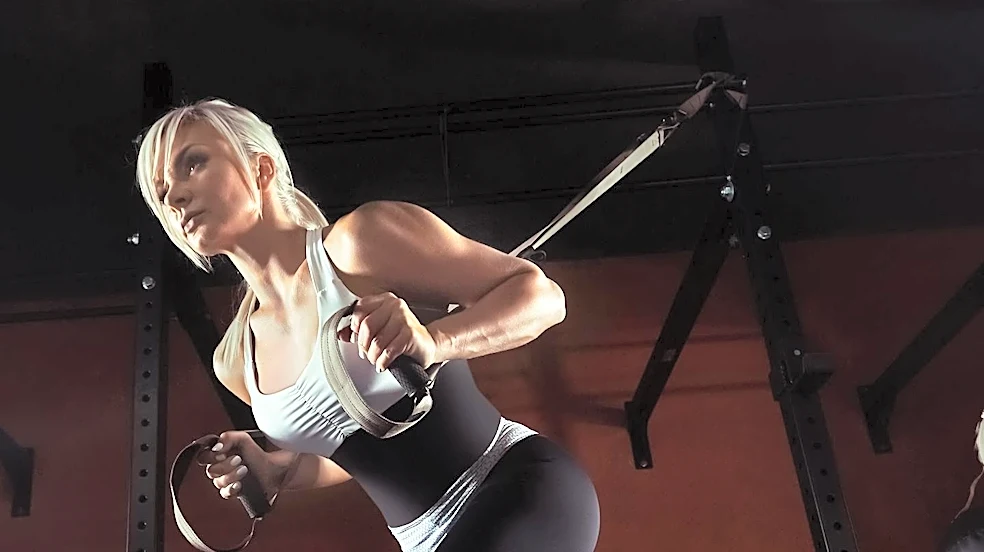
Individuals undergoing pectoral augmentation surgery are advised to refrain from direct chest training for approximately six to eight weeks post-operation. This guideline is crucial for proper healing of the implant pocket and the formation of a stable
scar capsule around the solid silicone implants. While gentle walking can commence within a day or two, and light lower-body exercises or low-impact cardio may be cleared around two to four weeks, activities such as pressing, dips, and heavy loading are restricted until a surgeon confirms adequate healing. The recovery process involves the body encapsulating the implant with scar tissue, which gains most of its strength over six weeks but continues to remodel for months. Premature strenuous activity can stretch the implant pocket, leading to potential complications. The recovery timeline is individualized and determined by the surgical team, emphasizing a gradual return to physical activity to protect the surgical outcome.
Why It's Important?
Adhering to the post-operative recovery guidelines for pectoral augmentation is critical to prevent complications such as implant malposition, seroma, hematoma, and capsular contracture. The integrity of the scar capsule, which secures the implant, is paramount; early or excessive strain can compromise its development, potentially requiring further medical intervention. For individuals who undergo this procedure, often due to congenital conditions, chest wall irregularities, or aesthetic goals, a disciplined recovery ensures the long-term success and desired outcome of the surgery. Failure to follow these instructions can lead to unsatisfactory cosmetic results, increased pain, and the need for corrective procedures, impacting both physical well-being and financial investment. The cautious approach to resuming chest exercises safeguards the surgical site during its most vulnerable healing phases.
What's Next?
Patients can expect a phased return to physical activity, with specific timelines dictated by their surgeon. Following the initial six to eight-week period of avoiding direct chest training, a gradual reintroduction of exercises will occur. This will typically involve starting with very light loads and a limited range of motion, progressively increasing intensity and scope over several weeks or months. Regular follow-up appointments with the surgical team are essential to monitor healing progress and receive clearance for advancing activity levels. Patients should remain vigilant for any signs of complications, such as sudden swelling, increased pain, or changes in implant position, and report them immediately to their doctor. The full maturation of the scar capsule and the final aesthetic outcome can take several months, requiring continued patience and adherence to medical advice.
Beyond the Headlines
The detailed recovery protocol for pectoral augmentation highlights the intricate biological processes involved in tissue healing and integration of foreign materials within the body. The emphasis on scar capsule formation underscores the body's natural response to implants, which can either lead to stable integration or complications like capsular contracture. This procedure also touches upon broader themes of body image, cosmetic surgery trends, and the psychological aspects of recovery, where patience and adherence to medical advice are crucial for both physical healing and mental well-being. The distinction between pain absence and actual tissue strength during recovery is a key takeaway, illustrating that subjective feelings do not always align with objective biological readiness, a principle applicable across various surgical recoveries.