


What's Happening?
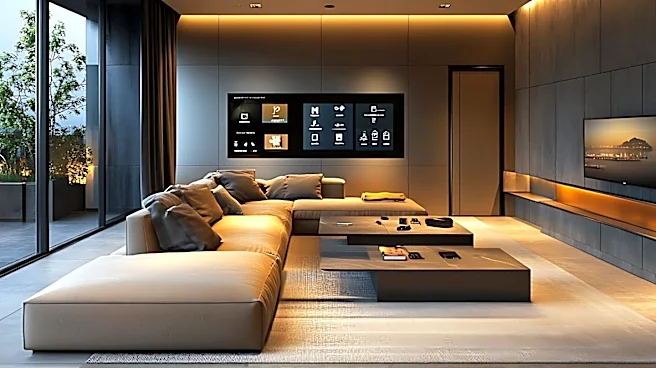
Zillow's 2027 Home Trends Report indicates a dual trend in U.S. homebuyer preferences: a growing interest in advanced technology alongside a significant demand for spaces dedicated to digital detox. While mentions of AI-powered appliances in for-sale
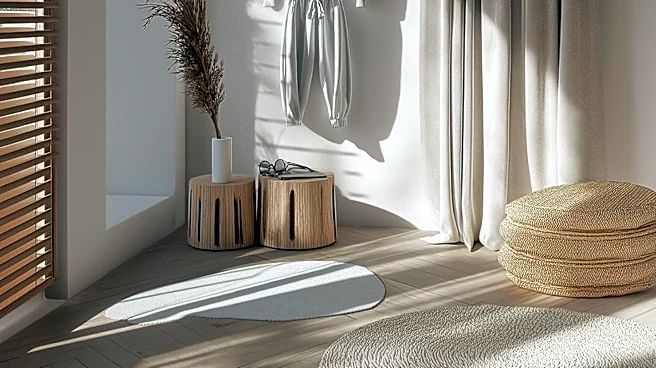
listings have surged by 119% and app-controlled home systems by 34%, listings also show that spaces designed for unplugging are 34% more common than the previous year. This suggests that homeowners are seeking a balance, desiring the convenience of smart home technology while also prioritizing designated areas to disconnect. The report, based on an analysis of millions of listings, identifies 'quiet tech' and 'space for digital detox' as key trends, alongside shifts in aesthetic preferences and a focus on efficient home systems and wellness amenities.
Why It's Important?
This emerging trend has significant implications for the U.S. real estate, home design, and technology industries. For real estate developers and agents, understanding this dual demand is crucial for marketing properties effectively. Homes that can offer both cutting-edge smart features and dedicated tech-free zones may become highly desirable. For home appliance manufacturers, it signals a need to innovate in ways that integrate technology seamlessly and quietly, without overwhelming the living space. The increased demand for digital detox spaces reflects a broader societal recognition of the importance of mental well-being and the need to manage screen time, influencing consumer spending on home improvements and design. This could lead to new product categories and design philosophies that prioritize both connectivity and intentional disconnection within the home environment.
What's Next?
The Zillow report suggests that future home designs and renovations in the U.S. will increasingly incorporate dedicated areas for digital detox, such as quiet reading nooks, meditation rooms, or even entire zones designed to be free of screens and Wi-Fi. This could lead to a rise in demand for specific architectural features and interior design elements that support unplugging. Simultaneously, the integration of AI and app-controlled systems will likely continue, but with a focus on 'quiet tech' that operates efficiently in the background without being intrusive. Real estate listings will likely emphasize both smart home capabilities and the presence of tech-free zones as selling points. This trend could also spur innovation in home technology that allows for easier management of digital access and screen time within the household.
Beyond the Headlines
The simultaneous rise of AI-powered appliances and digital detox spaces within homes points to a deeper societal negotiation with technology. It highlights a desire to harness technology's benefits for convenience and efficiency while actively mitigating its potential for distraction and overload. This trend reflects a growing awareness of the psychological impact of constant connectivity and the importance of creating boundaries within one's personal sanctuary. It also touches upon the evolving definition of 'luxury' in modern living, where the ability to disconnect and find peace within one's home is becoming as valuable as advanced technological amenities. This shift could influence broader cultural norms around technology use, encouraging more mindful consumption and integration of digital tools into daily life.