




What's Happening?
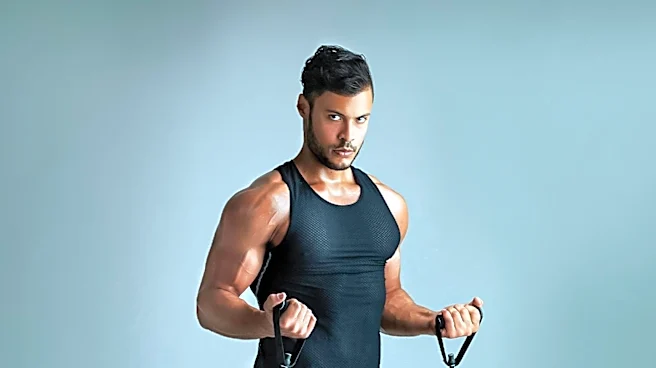
Resistance bands are highlighted as effective tools for increasing the difficulty and effectiveness of push-ups, particularly for individuals who can perform more than 20 standard repetitions. When attached behind the back and held in the hands, these
bands provide variable tension, offering less resistance at the bottom of the movement and more as one presses upward. This method allows for progressive overload without requiring a barbell, making push-ups a viable option for muscle growth, even for those with limited equipment. The source emphasizes that while bench presses are often favored for their ease of heavy loading, push-ups, when appropriately loaded with tools like resistance bands, can yield similar increases in pectoralis major muscle thickness and pressing strength. This approach ensures that the exercise remains challenging enough to stimulate muscle development, aligning with research indicating that muscle growth occurs across a range of loads when training is sufficiently hard and total volume is comparable.
Why It's Important?
The integration of resistance bands into push-up routines offers a significant advantage for fitness enthusiasts and home trainees across the U.S., democratizing access to effective strength training. This method provides a cost-effective and space-efficient alternative to traditional weightlifting equipment, making muscle building more accessible to a broader population. For individuals without access to a fully equipped gym, resistance bands transform a basic bodyweight exercise into a powerful tool for progressive overload, crucial for continuous muscle development. This is particularly important in promoting physical health and fitness, as it removes common barriers such as gym memberships and specialized equipment. By enabling effective chest muscle development through adaptable means, resistance bands contribute to improved physical well-being, potentially reducing health-related costs and fostering a more active lifestyle nationwide.
What's Next?
As awareness of the versatility and effectiveness of resistance bands grows, their adoption in personal fitness routines and potentially in structured fitness programs is likely to increase. Fitness trainers and physical therapists may further incorporate resistance band-assisted push-ups into their recommendations, offering tailored programs that leverage this adaptable tool. Manufacturers of fitness equipment could see a rise in demand for high-quality, durable resistance bands, potentially leading to innovations in band design and accompanying workout guides. Educational content focusing on proper technique and progressive overload with resistance bands will become more prevalent, empowering individuals to maximize their home workouts. This trend could also influence public health initiatives, promoting accessible and effective exercise methods for all age groups and fitness levels.
Beyond the Headlines
The embrace of resistance bands for exercises like push-ups signifies a broader shift in fitness culture towards functional, adaptable, and accessible training methods. This trend challenges the long-held belief that significant muscle growth is exclusively tied to heavy barbell training, promoting a more inclusive view of strength development. Ethically, it supports the idea that physical fitness should not be limited by economic status or access to specialized facilities, fostering greater equity in health and wellness. Culturally, it encourages creativity and resourcefulness in personal fitness, moving away from a one-size-fits-all approach to exercise. This evolution could lead to a more holistic understanding of physical conditioning, where the effectiveness of an exercise is measured not just by the weight lifted, but by its ability to provide consistent, challenging stimulus through various means, ultimately enhancing long-term adherence to physical activity.