




What's Happening?
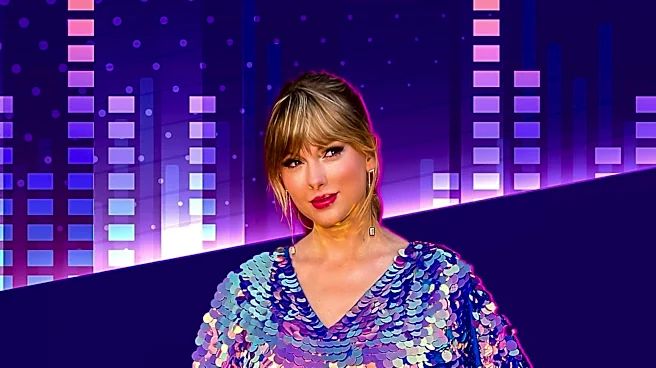
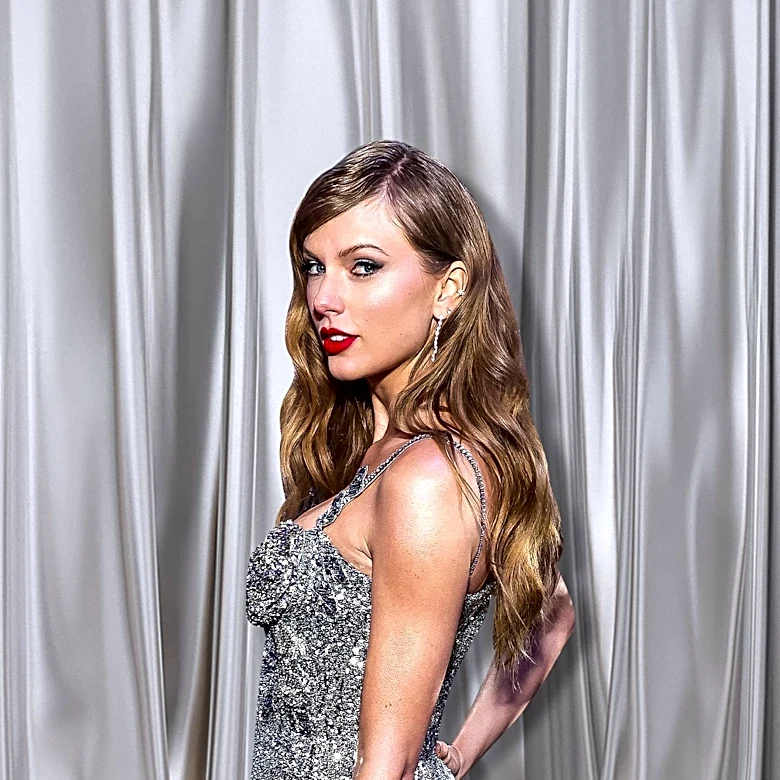
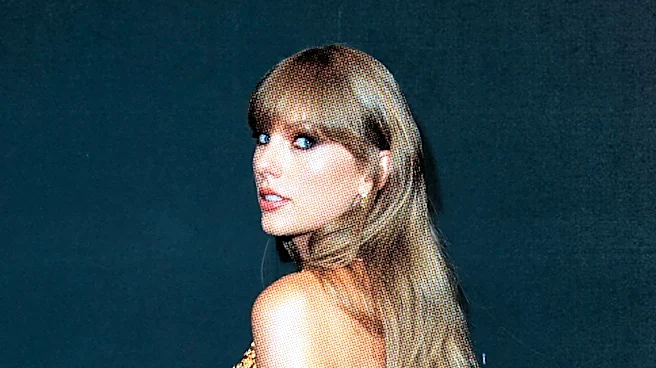
Vanity Fair is facing significant backlash following the publication of an article widely believed to be about pop star Taylor Swift. The piece, titled 'The Mastermind,' does not explicitly name Swift but uses biographical details that strongly suggest
her as the subject. Written by May Jeong, a reporter for Vanity Fair and a Ferris professor of journalism at Princeton University, the article's introduction states it aims to present 'more than one version of this fairy tale' after speaking to over 100 sources. However, critics, including Zachary Hourihane (The Swiftologist), a long-time Swift fan and critic, claim that the article failed to substantiate its implied exposé. Hourihane, who was approached by Jeong, stated he primarily served as a 'Wikipedia page' for basic biographical facts rather than contributing to the article's core narrative. The Irish Examiner also published an opinion piece suggesting that Vanity Fair should have 'spiked' the story due to its perceived lack of substance and its potential to damage journalistic credibility. Jeong has since limited comments on her Instagram posts amidst the fan backlash.
Why It's Important?
This incident highlights a critical discussion within journalism regarding editorial judgment, the ethics of investigative reporting, and the impact of celebrity culture on media narratives. The criticism suggests that the article, despite extensive research claims, may have fallen short of its investigative ambitions, appearing instead as an opinion piece. This raises questions about the pressure on publications to deliver high-impact stories, even if the underlying reporting does not fully support the intended narrative. For the entertainment industry, such articles can influence public perception of artists and fuel fan engagement, both positive and negative. The backlash from Swift's fanbase underscores the power of dedicated fan communities in scrutinizing media portrayals of their idols, potentially affecting a publication's reputation and readership trust. The situation also brings to light the challenges journalists face in gaining access to inner circles of high-profile figures and the ethical considerations when reporting on them.
What's Next?
The immediate aftermath will likely see continued debate among media critics, journalists, and the public regarding the article's merits and Vanity Fair's editorial decisions. May Jeong may face ongoing scrutiny, particularly given her role as a journalism professor, which could lead to discussions within academic circles about journalistic standards. Vanity Fair will need to navigate the reputational impact of this controversy, potentially influencing future editorial strategies for high-profile celebrity features. The incident could also prompt other media outlets to re-evaluate their approaches to investigative pieces on celebrities, emphasizing the need for robust sourcing and clear substantiation. For Taylor Swift and her team, this event may reinforce their existing strategies for managing public narratives and engaging with media coverage, potentially leading to more controlled interactions with journalists in the future.
Beyond the Headlines
Beyond the immediate controversy, this event touches upon broader themes of media accountability and the evolving landscape of journalism in the digital age. The critique that the article was an 'opinion piece dressed up as an insider investigation' speaks to a larger concern about the blurring lines between commentary and factual reporting. It also highlights the challenges faced by traditional media outlets in maintaining credibility amidst a highly polarized media environment and the rise of citizen journalism and fan-driven content. The incident could serve as a case study in journalism schools on the importance of editorial gatekeeping and the potential pitfalls of publishing stories that lack sufficient evidence, especially when targeting influential public figures. Furthermore, it underscores the ongoing tension between the public's desire for in-depth, critical analyses of celebrities and the ethical responsibilities of journalists to deliver fair, well-supported narratives.