


What's Happening?
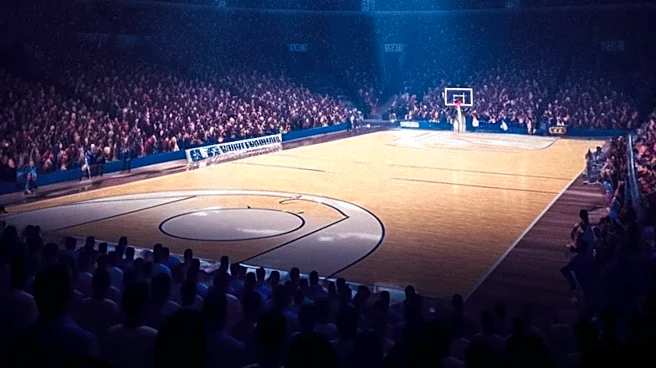
The NBA has decided not to hold its preseason games in Abu Dhabi this year due to ongoing conflicts in the Middle East involving the U.S., Israel, and Iran. This decision marks a departure from the league's efforts over the past four years to expand its fan
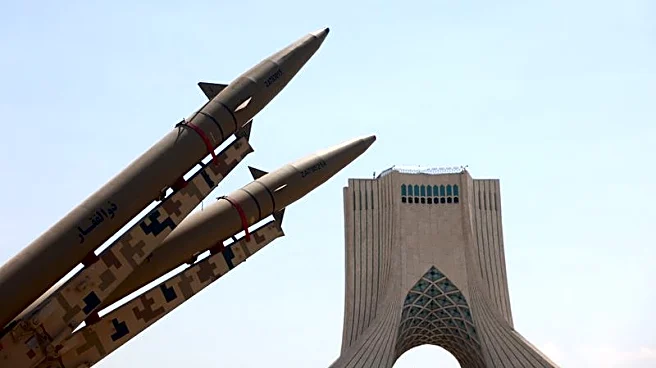
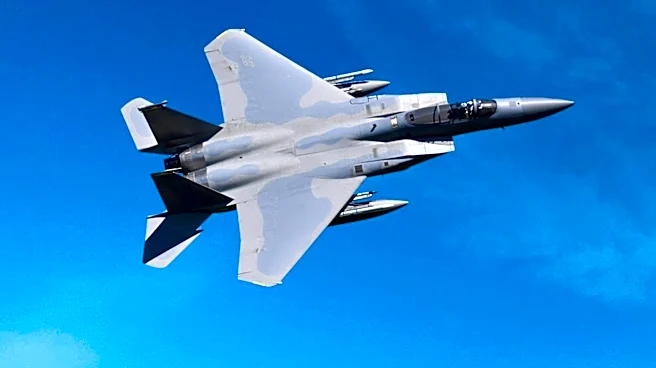
base in the region by hosting games in the United Arab Emirates. The conflict has seen Iran launch missile and drone attacks targeting military and oil production facilities in the UAE. The NBA plans to return to the Middle East for future preseason games but has not set a timeline. Meanwhile, the league will continue its international presence with games scheduled in Macao, China, and regular season games in Paris and Manchester.
Why It's Important?
The NBA's decision to cancel its Abu Dhabi preseason games highlights the impact of geopolitical tensions on international sports events. This move underscores the challenges sports leagues face in balancing expansion efforts with safety and security concerns. The cancellation may affect the NBA's strategic goals of growing its brand and fan base in the Middle East, a region with significant economic potential. Additionally, the decision reflects broader trends in international sports, as other leagues, such as Formula 1, also adjust their schedules in response to regional conflicts. The situation emphasizes the interconnectedness of global sports and international relations.
What's Next?
The NBA will need to reassess its international strategy and consider alternative locations for expanding its global presence. The league's commitment to returning to the Middle East suggests that it will continue to monitor the situation closely and seek opportunities to engage with fans in the region when conditions improve. In the meantime, the NBA's focus on other international markets, such as China and Europe, will likely intensify. The league's ability to navigate these challenges will be crucial in maintaining its global growth trajectory and ensuring the safety of its players and staff.