




What's Happening?
Queenstown, New Zealand, has solidified its reputation as a leading global destination for adventure tourism. The region offers a wide array of high-adrenaline activities, including bungee jumping, white water rafting, paragliding, and jet boating. Visitors
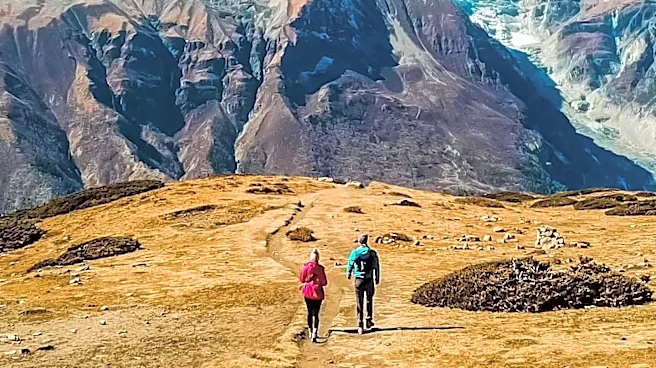
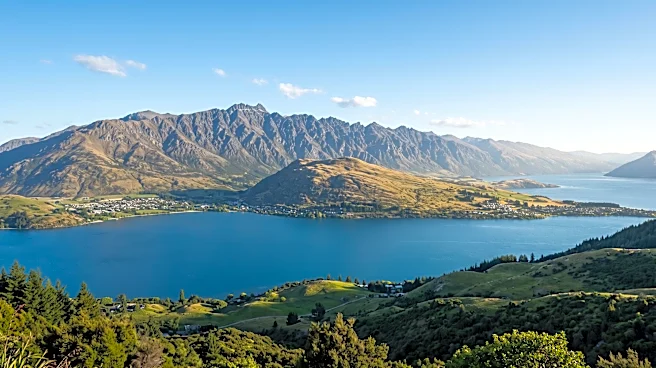
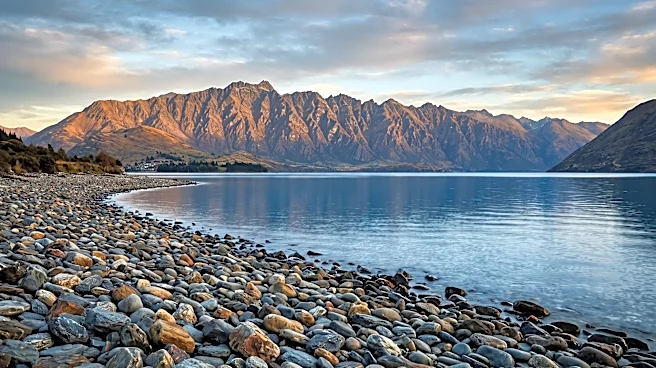
can also experience the Skyline Gondola for panoramic views from Bob's Peak, followed by a luge ride. The Kawarau Bungy Centre provides options for solo, tandem, and triple bungee jumps, catering to various thrill-seeking preferences. Additionally, the Shotover River is a prominent location for whitewater rafting adventures. Beyond extreme sports, Queenstown is noted for its natural beauty, with Lake Wakatipu and snow-capped mountains providing a scenic backdrop that changes with the seasons, making it an attractive location year-round. The area also offers opportunities for skiing, snowboarding, skydiving, hang gliding, jetskiing, and quad biking, further cementing its status as the 'Adventure Capital of the World.'
Why It's Important?
Queenstown's prominence as an adventure tourism hub significantly impacts the global tourism industry, particularly for destinations specializing in outdoor and extreme sports. Its success demonstrates the economic viability of developing and marketing a region around unique, high-thrill experiences. For the U.S. tourism sector, Queenstown serves as a benchmark for innovation in adventure travel, potentially influencing how American destinations develop and promote similar activities. The diverse range of offerings, from scenic gondola rides to intense bungee jumps, highlights the importance of catering to a broad spectrum of adventure levels, which can inform strategic planning for U.S. national parks and recreational areas. Furthermore, the consistent influx of tourists, equivalent to half of New Zealand's population annually, underscores the substantial economic benefits that can be generated through a well-established adventure tourism brand, including job creation and local business growth. This model provides insights for U.S. regions looking to boost their tourism economies through specialized offerings.
What's Next?
Queenstown is expected to continue its development as a premier adventure tourism destination, likely focusing on enhancing existing attractions and introducing new, innovative experiences to maintain its competitive edge. The region's commitment to offering a wide variety of activities suggests ongoing investment in infrastructure and safety measures to support these ventures. Future developments may include expanding eco-tourism options, given the area's natural beauty, and integrating more sustainable practices into its adventure offerings. The continuous flow of international visitors indicates a sustained demand for its unique blend of adventure and scenic beauty. Local businesses, including accommodation providers and tour operators, will likely adapt to evolving tourist preferences, potentially introducing new packages that combine adventure sports with cultural or culinary experiences. The success of Queenstown could also inspire other regions globally, including those in the U.S., to explore and invest further in their adventure tourism potential.
Beyond the Headlines
The success of Queenstown as the 'Adventure Capital of the World' extends beyond mere tourism figures, reflecting a broader cultural shift towards experiential travel and the pursuit of unique, memorable experiences. This trend highlights a growing consumer demand for activities that offer a sense of challenge, personal growth, and connection with nature, rather than traditional sightseeing. The region's ability to brand itself effectively around adventure has created a distinct identity that resonates with a global audience. Ethically, the sustained growth of adventure tourism in Queenstown raises questions about environmental impact and the balance between economic development and ecological preservation. The long-term sustainability of such high-volume tourism in a naturally sensitive area will require careful management and innovative solutions to mitigate potential negative effects. Culturally, the emphasis on adventure sports fosters a community identity centered around outdoor pursuits and a dynamic lifestyle, influencing local infrastructure, services, and even the demographic makeup of the region.