


What's Happening?
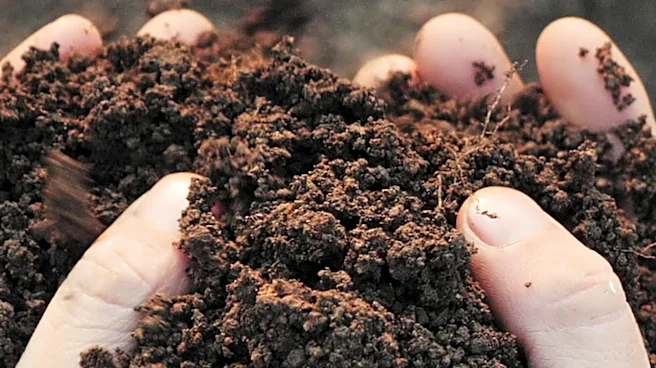
Master Gardeners are promoting the benefits of direct contact with soil to enhance immune health. The practice of engaging with soil, such as gardening or walking barefoot, is believed to increase biodiversity in the human microbiome. This concept is supported
by studies showing that exposure to diverse microbial environments can reduce the incidence of autoimmune diseases. The article references research on Amish and Hutterite children, highlighting the health benefits of living in close contact with nature.
Why It's Important?
The promotion of soil contact is significant as it addresses the growing concern over autoimmune diseases linked to modern, sanitized lifestyles. By encouraging interactions with natural environments, individuals can potentially improve their immune systems and overall health. This approach aligns with the Microbiome Hypothesis, which suggests that a lack of exposure to diverse microbes may contribute to health issues. The practice also supports mental well-being through activities like 'forest bathing.'
What's Next?
As awareness of the benefits of biodiversity in personal health grows, more individuals may be encouraged to engage in gardening and outdoor activities. Educational programs and community initiatives could further promote these practices. Continued research into the human microbiome and its relationship with environmental exposure is likely to provide deeper insights into health benefits.