


What's Happening?
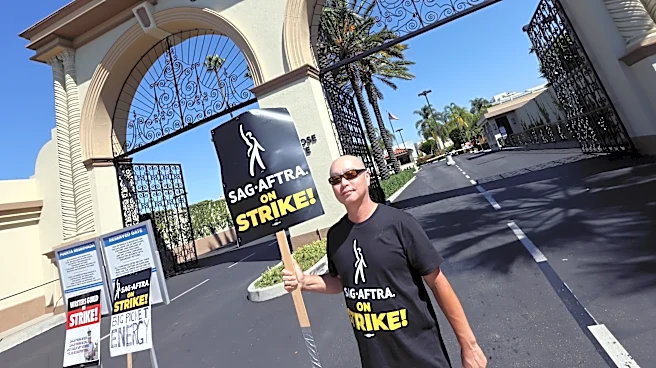
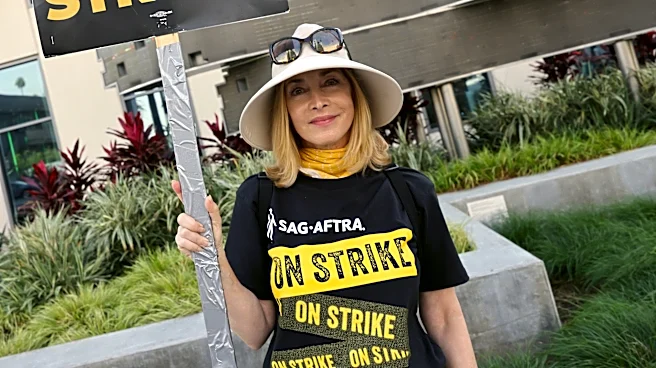
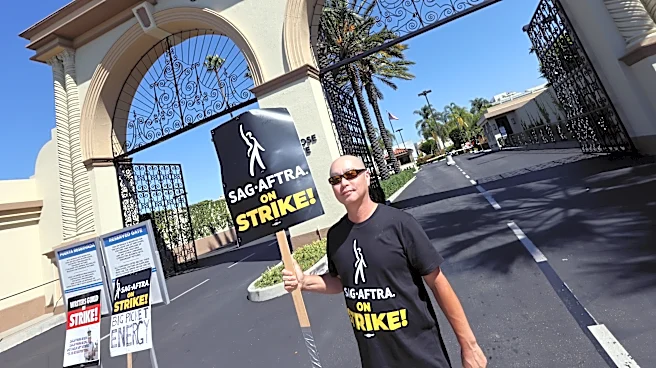
On July 14, 2023, actors and actresses represented by SAG-AFTRA initiated a strike, with Fran Drescher serving as president and Duncan Crabtree-Ireland as the principal negotiator. This action followed an earlier strike by the Writers Guild of America
(WGA) which began on May 2, 2023. The core issues driving the SAG-AFTRA strike were unresolved matters from a previous writers' strike between November 2007 and February 2008, specifically concerning remunerations from new distribution forms, particularly digital content and streaming platforms. The advent of platforms like Netflix and Disney+ significantly altered the audiovisual business model, leading to a disparity where content creators did not receive proportional compensation for the global success of their works. Additionally, the strike addressed concerns regarding the use of artificial intelligence (AI) in the industry, with actors seeking protections against their likenesses, bodies, and voices being digitally reproduced without consent or economic compensation. The actors' strike concluded on November 9, 2023, after 118 days, following significant agreements reached with studios.
Why It's Important?
This strike by SAG-AFTRA, led by Fran Drescher, highlights a critical juncture in the entertainment industry, underscoring the challenges posed by technological advancements and evolving business models. The dispute over residuals from streaming content directly impacts the financial stability of actors, particularly those who do not command superstar salaries. The traditional system of residuals, which provided additional payments for re-aired or re-commercialized works, was disrupted by streaming, leading to a significant reduction in income for many professionals. Furthermore, the concerns surrounding artificial intelligence represent a new frontier in labor negotiations, with actors seeking to protect their intellectual property and livelihoods from potential displacement or exploitation by AI technologies. The agreements reached after the strike set precedents for how creative labor will be compensated and protected in an increasingly digital and AI-driven landscape, influencing future negotiations across various creative industries and potentially shaping public policy regarding AI ethics and labor rights.
What's Next?
The agreements reached following the SAG-AFTRA strike, which concluded on November 9, 2023, included protections related to artificial intelligence, digital replicas, and new remuneration formulas for content distributed via streaming. While these agreements marked a significant step, the source indicates that much remains to be negotiated in this evolving landscape. The resolution of the strike demonstrates that unions can achieve results through collective action, even in the face of powerful corporate interests. Future developments will likely involve ongoing discussions and adjustments to these agreements as technology continues to advance and new business models emerge. Stakeholders, including actors, studios, and technology companies, will need to continue collaborating to define fair compensation and ethical guidelines for the use of AI and digital content, potentially leading to further industry-wide standards and regulations.
Beyond the Headlines
The SAG-AFTRA strike, under Fran Drescher's leadership, delves into deeper ethical and legal implications concerning intellectual property rights in the digital age. The debate over AI's role in replicating human performances without consent or fair compensation raises fundamental questions about artistic ownership and the value of human creativity. This conflict extends beyond mere financial disputes, touching upon the very definition of artistry and the potential for technology to devalue human input. The agreements reached, particularly those addressing AI, could establish a global precedent for how creative industries navigate the ethical complexities of artificial intelligence. This shift could trigger long-term changes in contract negotiations, intellectual property law, and the overall structure of the entertainment industry, potentially influencing other sectors grappling with similar technological disruptions and labor concerns.