






What's Happening?
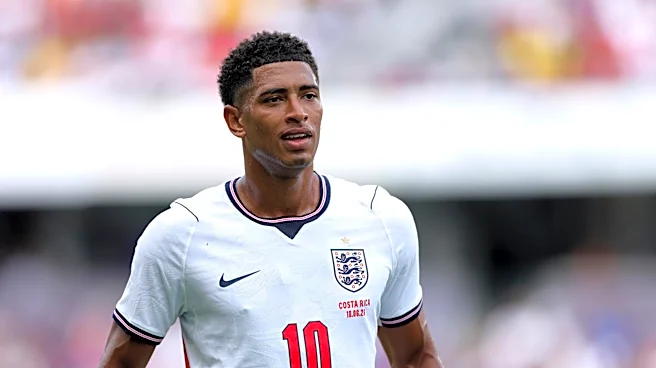
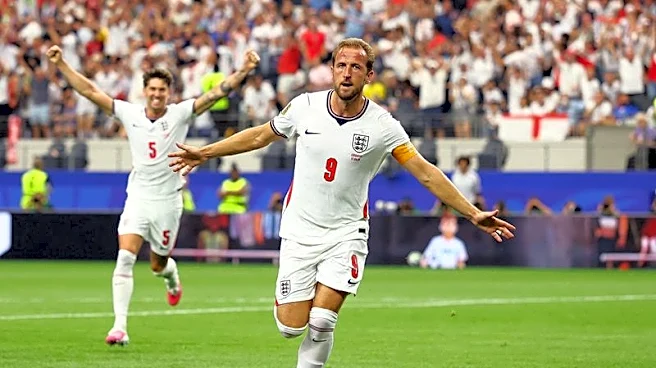
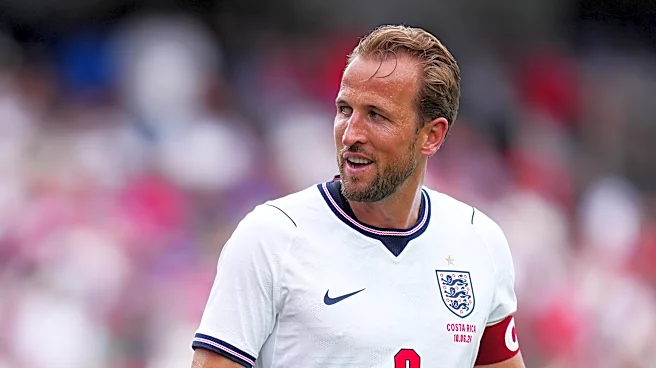
The 2026 World Cup features Group L, consisting of England, Croatia, Ghana, and Panama. England, known as The Three Lions, is ranked 4th by FIFA and has a history of 17 World Cup appearances, with their best finish as champions in 1966. Croatia, nicknamed
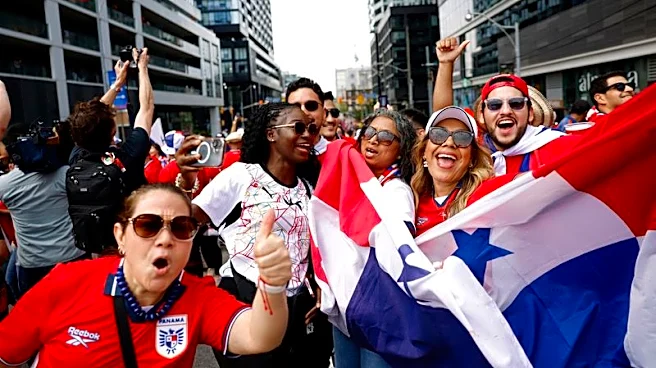
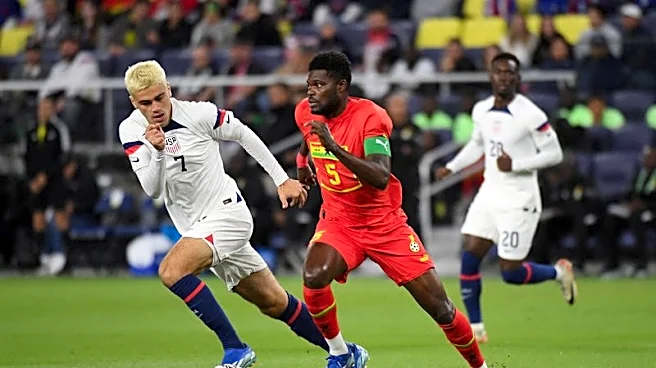
Vatreni, is ranked 11th and has appeared in seven World Cups, with a runner-up finish in 2018. Ghana, the Black Stars, is ranked 73rd and has reached the quarterfinals in 2010. Panama, known as Los Canaleros, is ranked 34th and is making its second World Cup appearance. Each team brings unique strengths and histories to the tournament, with England and Croatia being particularly strong contenders based on past performances.
Why It's Important?
The composition of Group L in the 2026 World Cup highlights the diverse footballing cultures and histories of the participating nations. England and Croatia are expected to be strong contenders, given their high FIFA rankings and past successes. Ghana and Panama, while lower-ranked, have the potential to surprise and disrupt the group dynamics. The performance of these teams could influence their future FIFA rankings and impact the global perception of their footballing capabilities. Additionally, the World Cup serves as a platform for players to showcase their talents on an international stage, potentially affecting their careers and the clubs they represent.
What's Next?
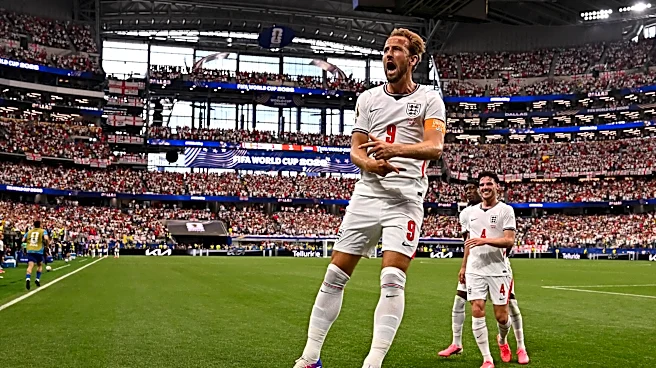
As the tournament progresses, the teams in Group L will compete in the group stage matches to secure a place in the knockout rounds. The outcomes of these matches will determine which teams advance and could lead to significant shifts in team strategies and player lineups. Fans and analysts will closely watch key players, such as England's Harry Kane and Croatia's Ivan Perisic, to see how they perform under pressure. The results will also have implications for national pride and the future development of football in these countries.