




What's Happening?
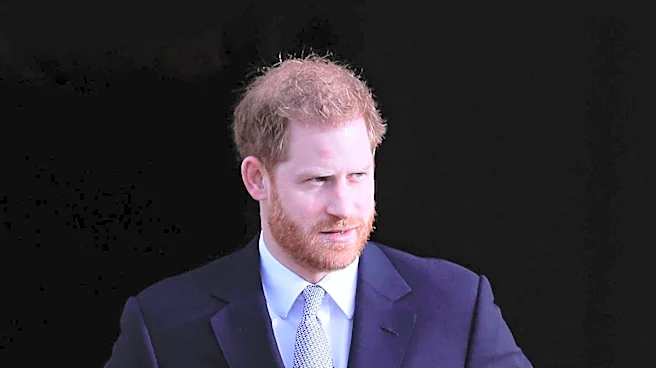
Prince Harry has lost a privacy lawsuit against Associated Newspapers Limited, the publisher of the Daily Mail, Mail on Sunday, and MailOnline. The lawsuit, which included six other high-profile claimants such as Elton John and Elizabeth Hurley, alleged
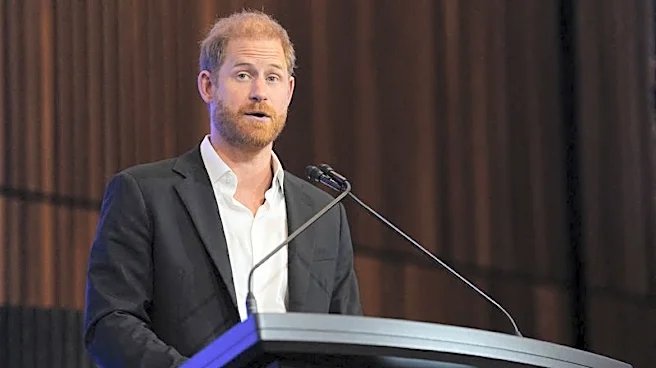
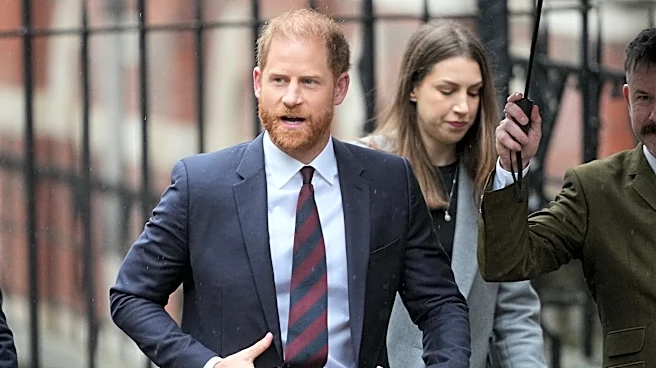
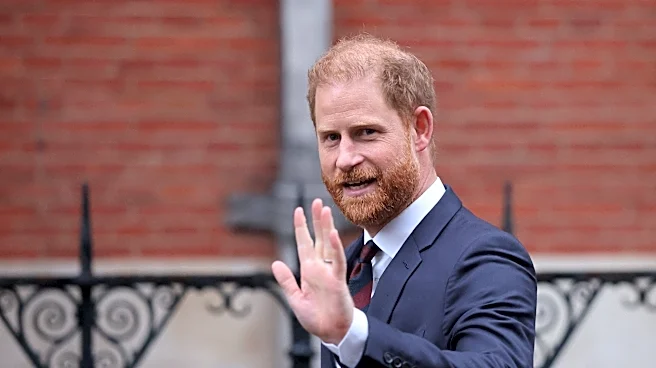
unlawful information gathering practices by the publisher. These allegations included voicemail interception, phone hacking, and obtaining personal information through deception. The court dismissed the claims, citing a lack of proof that personal information was unlawfully obtained. The judgment was delivered remotely, and Associated Newspapers welcomed the ruling, describing it as a vindication of their journalism. Prince Harry, who is in the UK for a series of engagements, expressed disappointment with the verdict, stating that the court's decision represents an inconsistency and a failure to hold the media accountable.
Why It's Important?
The outcome of this lawsuit is significant as it highlights ongoing tensions between public figures and the media regarding privacy and ethical journalism. Prince Harry has been vocal about the intrusive nature of the British tabloids, which he blames for the harassment of his family, including his late mother, Princess Diana, and his wife, Meghan Markle. The ruling may embolden media outlets to continue aggressive reporting practices, potentially impacting the privacy rights of individuals in the public eye. This case also underscores the challenges in proving unlawful media practices, especially when allegations date back several decades. The decision could influence future legal battles involving privacy and media ethics, affecting how public figures seek redress against perceived media overreach.
What's Next?
Following the verdict, Prince Harry is expected to continue his advocacy for media reform, which he has described as his 'life's work.' He is currently in the UK for a five-day visit, which includes engagements related to the Invictus Games, a sporting event he founded for wounded and sick military personnel. It remains to be seen how this legal setback will affect his efforts to hold media organizations accountable. Additionally, the ruling may prompt other public figures to reconsider their legal strategies when challenging media practices. The broader implications for media regulation and privacy rights will likely continue to be a topic of debate in the UK and beyond.