


What's Happening?
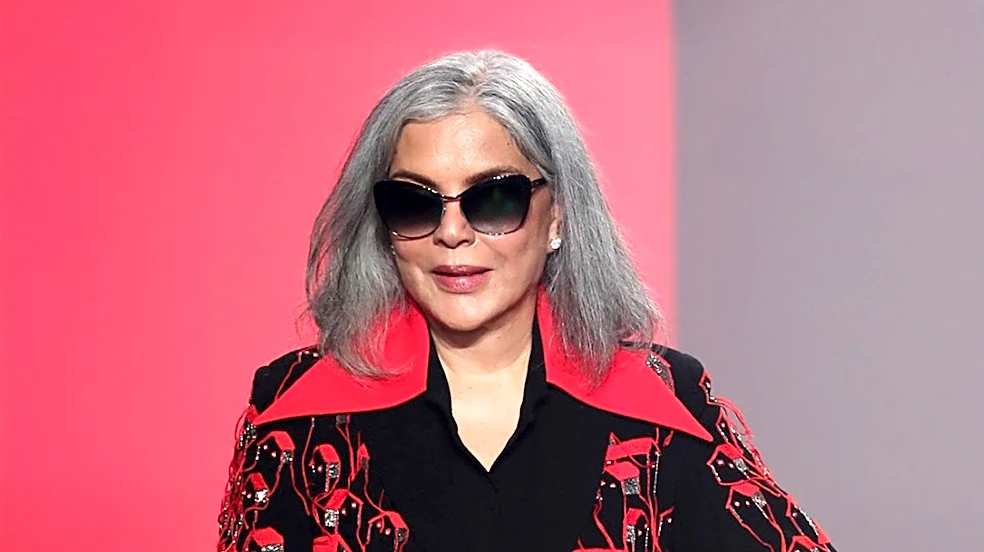
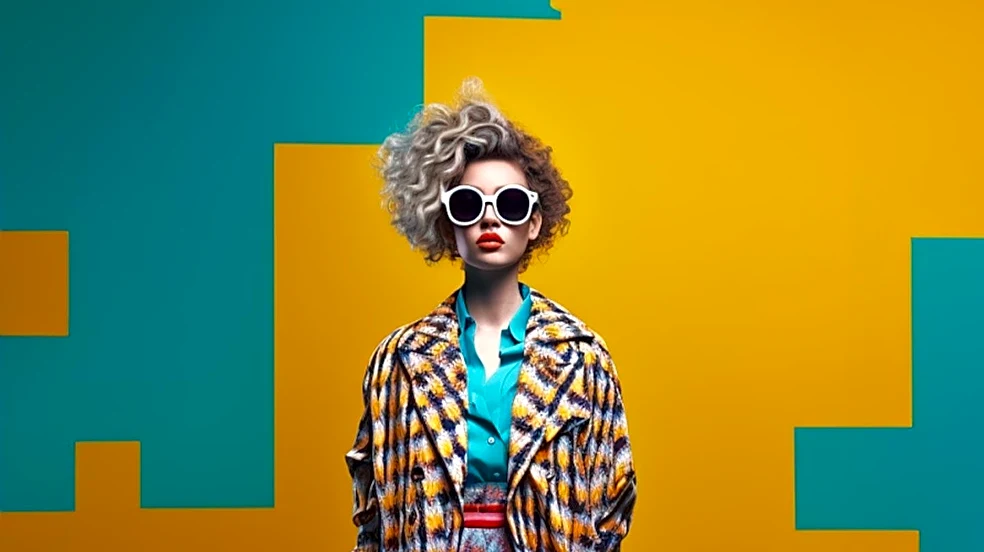
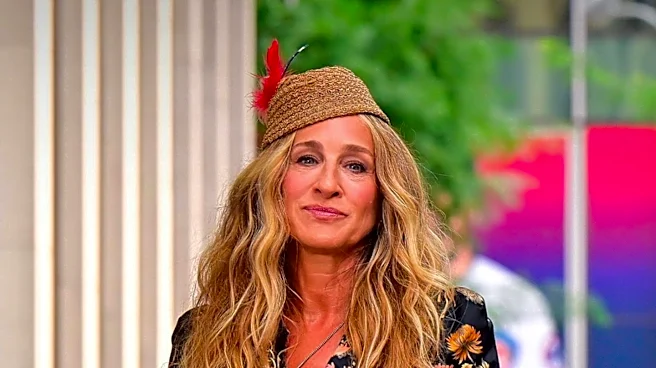
Maximalism is gaining significant traction in both fashion and beauty, characterized by its embrace of bold, oversized, and colorful elements. In fashion, this trend manifests through rich seasonal hues, luxurious fabrics, and unexpected proportions,
with sweaters often serving as a focal point. It encourages a more tactile, ornamental, and eccentric approach to dressing, moving away from minimalist aesthetics. According to RUSSH's Executive Fashion Director, Hannah Cooper, this shift is driven by a desire for joy and artistic expression in a challenging global environment. The trend promotes unique personal style, where individual pieces hold sentimental value rather than strictly adhering to cohesive outfit coordination. Examples include combining leopard print with stripes, or heirloom jewelry with a sports jersey, prioritizing emotional response and personal meaning in wardrobe choices.
Why It's Important?
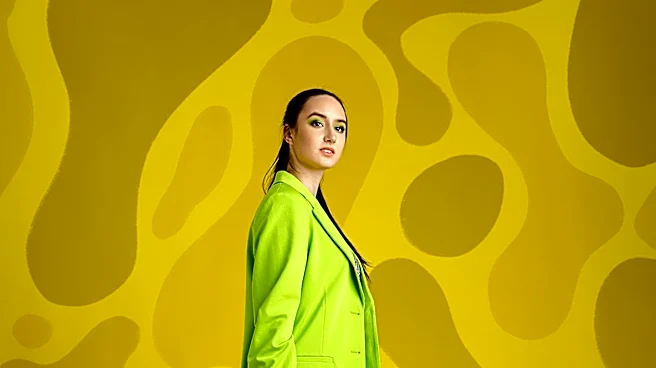
The rise of maximalism signifies a broader cultural shift in consumer preferences, particularly in the U.S. fashion and beauty industries. This trend encourages consumers to invest in distinctive, statement pieces, potentially boosting sales for brands that offer unique designs, vibrant colors, and luxurious textures. For retailers, it means adapting inventory to include more embellished, voluminous, and eclectic items. The emphasis on individuality and emotional connection to clothing could also lead to a decline in fast fashion consumption, as consumers may prioritize quality and personal expression over fleeting trends. Furthermore, the beauty industry is seeing a parallel movement, with exaggerated smoky eyes, wild volume, and bright eyeliners replacing the previously popular 'clean girl aesthetic.' This indicates a market opportunity for cosmetic brands to innovate with bolder color palettes and more dramatic product lines, catering to a desire for artistic and expressive makeup looks.
What's Next?
As maximalism continues to evolve, fashion and beauty brands are likely to further integrate its principles into their upcoming collections and product launches. Consumers can expect to see an increased availability of clothing with exaggerated silhouettes, intricate embellishments, and a wider array of vibrant colors. In beauty, there will likely be a surge in products designed for dramatic eye makeup, voluminous hair, and bold lip colors. Designers and stylists will continue to explore unconventional pairings and layering techniques, pushing the boundaries of traditional fashion norms. The trend's focus on personal expression suggests that customization and unique, limited-edition items may become more prevalent, allowing individuals to curate wardrobes and beauty routines that truly reflect their personality. This could also lead to a resurgence of vintage and artisanal pieces, as consumers seek out items with character and history.
Beyond the Headlines
Beyond its aesthetic appeal, maximalism reflects a deeper societal yearning for optimism and self-expression in an increasingly complex world. Hannah Cooper notes that the current global climate, marked by economic, political, and human challenges, is prompting people to seek joy and art in various avenues, with fashion serving as a significant outlet. This trend challenges the notion that fashion must always be serious or strictly functional, instead promoting a playful and artistic approach to dressing. It encourages individuals to embrace their unique tastes and move away from conformity, fostering a sense of liberation and creativity. The shift from minimalism to maximalism can be seen as a cultural pendulum swing, indicating a collective desire for more vibrancy, personality, and emotional engagement in daily life, transforming clothing and makeup into powerful tools for personal storytelling and mood enhancement.