








What's Happening?
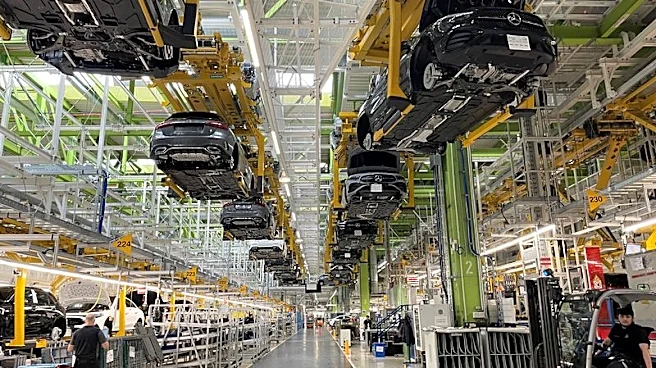
Mercedes-Benz has announced plans to enter formal negotiations with union representatives to revise existing job protection agreements in Germany. The automaker is seeking to implement substantial cost-cutting measures, particularly focusing on labor
costs, to remain competitive in the global market. Human Resources Chief Britta Seeger emphasized the necessity of these talks, citing the need to evaluate competitiveness against international rivals. The company's car division margins have decreased significantly, attributed to declining demand in the Chinese luxury market, persistent U.S. tariff pressures, and slower-than-expected electric vehicle adoption in Europe. Mercedes aims to reduce production costs by 10% by 2027 and double that by 2030. The negotiations are part of a broader trend among German automakers, including BMW and Volkswagen, who are also restructuring to address similar economic pressures.
Why It's Important?
The negotiations initiated by Mercedes highlight the significant challenges facing the German automotive industry, a key sector in the country's economy. The industry's restructuring efforts reflect broader economic pressures, including international competition and changing market demands. The outcome of these talks could set a precedent for labor relations and cost management strategies within the industry. The potential revision of job protections may impact the livelihoods of thousands of workers, as the automotive sector employs a substantial portion of the German workforce. Additionally, the focus on cost-cutting measures underscores the competitive pressures from international markets, particularly from Chinese automakers, which could influence global automotive industry dynamics.
What's Next?
As Mercedes proceeds with negotiations, the role of the union IG Metall will be crucial in determining the outcome. The union's willingness to accept concessions in exchange for investment commitments will likely shape the future of labor agreements in the industry. The broader economic context, including ongoing tariff pressures and market shifts, will continue to influence the company's strategic decisions. The automotive industry will be closely watching these developments, as they may signal a shift in labor relations and cost management practices across the sector.