






What's Happening?
Arunachal Pradesh Governor Lt Gen KT Parnaik has called for the Ziro Festival to expand its focus beyond music and entertainment, advocating for it to become a more robust platform for youth empowerment, cultural preservation, tourism, and local economic
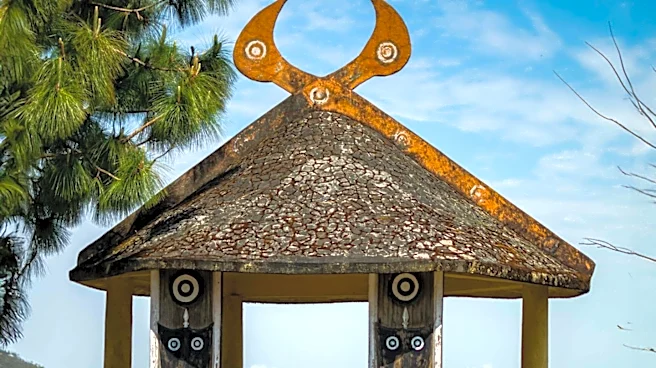
growth. During a meeting with Ziro Festival co-founders Bobby Hano and Anup Kutty, Governor Parnaik emphasized that the festival and its outreach programs, including 'Ziro On Tour – Valley Vibe, City Tribe,' should remain deeply rooted in the cultural traditions and indigenous heritage of Arunachal Pradesh. While acknowledging the importance of contemporary music and international participation, the Governor urged organizers to give equal attention to traditional music, folk arts, local cuisine, handicrafts, and indigenous knowledge systems. He stressed that genuine cultural experiences are key to strengthening cultural tourism. The festival team also discussed plans to expand the Ziro Festival to Hyderabad, Pondicherry, and Chandigarh, seeking state government coordination and sponsorship for these initiatives.
Why It's Important?
This directive from Governor Parnaik highlights a strategic shift towards leveraging cultural events for broader socio-economic development. By emphasizing youth empowerment, the initiative aims to create tangible opportunities for local youth in event management, hospitality, content creation, cultural performances, and tourism services, thereby addressing local unemployment and fostering skill development. The focus on preserving authenticity and promoting indigenous heritage ensures that cultural tourism offers visitors a genuine experience, which can lead to more sustainable and impactful economic benefits for the region. Furthermore, integrating local farmers, artisans, weavers, and entrepreneurs into the festival through dedicated platforms aligns with national initiatives like 'Vocal for Local,' strengthening local livelihoods and promoting regional products. This approach seeks to transform the festival into a catalyst for rural economic development, ensuring that its growing national and international reach translates into sustained benefits for Arunachal Pradesh's communities and creative economy.
What's Next?
Following the Governor's guidance, the Ziro Festival organizers, Bobby Hano and Anup Kutty, have reaffirmed their commitment to promoting Arunachal Pradesh’s culture, tourism, and creative economy through the festival and its 'Ziro On Tour' initiatives. The immediate next steps will likely involve the festival team engaging with the State Government to secure coordination and sponsorship for their proposed expansion to other Indian cities like Hyderabad, Pondicherry, and Chandigarh. The Governor has assured all possible assistance at his level for this expansion. Additionally, the organizers are expected to develop and implement new programs and platforms within the festival framework to create more opportunities for local youth and entrepreneurs, focusing on traditional arts, crafts, and cuisine. This will involve integrating more local cultural elements into the festival's core offerings and outreach programs, ensuring that the event serves as a more comprehensive platform for cultural and economic development.
Beyond the Headlines
The Governor's emphasis on cultural preservation and youth empowerment at the Ziro Festival reflects a broader national and global trend towards sustainable tourism and community-centric development. This approach moves beyond mere entertainment to position cultural festivals as vital tools for economic upliftment and identity preservation. Ethically, it underscores the responsibility of large-scale events to contribute positively to their host communities, preventing cultural commodification and ensuring that local populations are beneficiaries, not just spectators. Legally, such initiatives might lead to policy frameworks that support local artisans and cultural practitioners, potentially through grants or protected status for indigenous arts. Culturally, by prioritizing traditional music, folk arts, and indigenous knowledge, the festival can play a crucial role in intergenerational knowledge transfer and the revitalization of local traditions, fostering a stronger sense of pride and identity among the youth. This long-term shift could establish a model for other regions seeking to balance modernization with cultural heritage preservation.