



What's Happening?
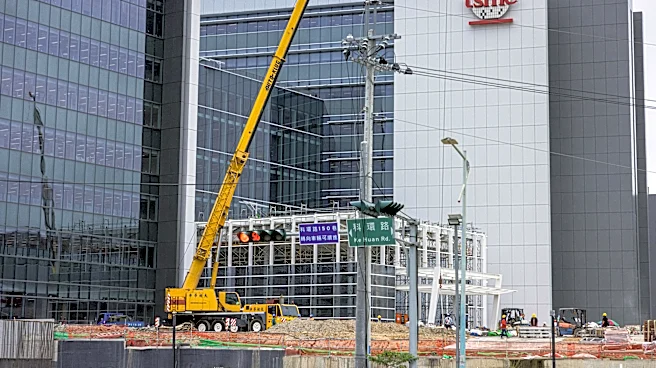
Contractors and homebuilders in Abilene, Texas, are reporting a significant loss of skilled workers to AI data center construction projects offering substantially higher pay. Superpower Daily reported on November 28, 2026, that local electricians and tradespeople
are leaving their current jobs for these new opportunities. Scotty Wristen, an Abilene master electrician, stated that data center jobs pay at least triple what he can offer, and he has lost five workers to these projects. Gene Lantrip, an Abilene homebuilder, described the situation as a 'two-edged sword,' acknowledging the business brought by the influx of thousands of workers while also noting the increased labor costs. While specific employers remain unconfirmed, the draw of higher wages, overtime, and per diem allowances is creating a competitive labor market. The exact number of workers who have arrived in the Abilene region is reported to be in the thousands, leading to increased demand for housing and services.
Why It's Important?
This labor shift in Abilene highlights a critical bottleneck in the expansion of AI infrastructure across the U.S. The rapid development of AI data centers requires a substantial skilled construction workforce, and shortages can lead to project delays and increased costs. These rising costs for data center construction can eventually impact the price of compute, affecting AI model developers and users who rent GPU capacity. For local economies like Abilene, the influx of high-paying jobs brings economic benefits but also strains existing labor markets, driving up wages and housing costs. Small local businesses, such as homebuilders and contractors, struggle to compete with the wages offered by large-scale data center projects, potentially leading to longer project timelines and higher prices for consumers. This scenario underscores the broader economic implications of the AI boom on regional labor dynamics and infrastructure development.
What's Next?
The trend observed in Abilene is likely to spread to other regions hosting AI data center developments, as technology companies are reportedly recruiting tradespeople nationwide. Local wages in Abilene are expected to continue rising as contractors attempt to retain staff, potentially leading to increased housing costs and longer construction schedules for residential projects. Training and apprenticeship programs may receive more attention as a long-term solution to expand the pool of qualified workers. After the construction peak, a post-peak adjustment is anticipated, where some workers may leave the area, and local wages could reprice. The long-term impact on local economies will depend on the number of permanent jobs created by the completed data centers. Employers in affected markets may implement retention bonuses or flexible schedules to compete, while workers will need to carefully evaluate job offers considering duration and overall compensation.
Beyond the Headlines
The situation in Abilene reveals a deeper economic tension between rapid technological advancement and local labor market stability. The AI boom, while promising innovation, creates significant ripple effects on traditional industries and communities. Ethically, it raises questions about equitable economic development and the potential for displacement of local businesses and workers who cannot compete with the financial power of large tech projects. Legally, it could lead to increased scrutiny of labor practices and wage standards in high-growth sectors. Culturally, the influx of a transient workforce can alter the social fabric of smaller towns, impacting housing availability, local services, and community cohesion. This scenario also highlights the physical infrastructure demands of the digital age, demonstrating that even the most advanced AI relies on fundamental, skilled labor, making these workers critical to the future of technology.