




What's Happening?
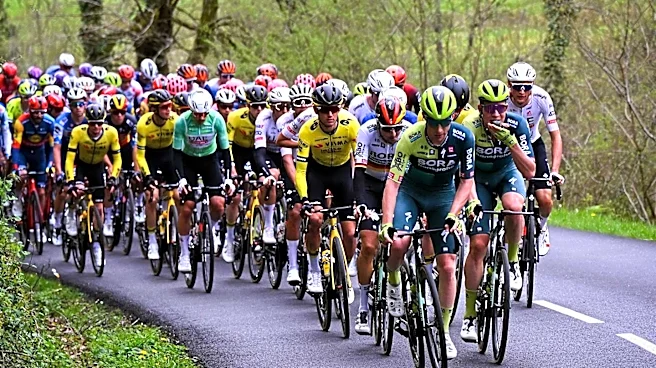
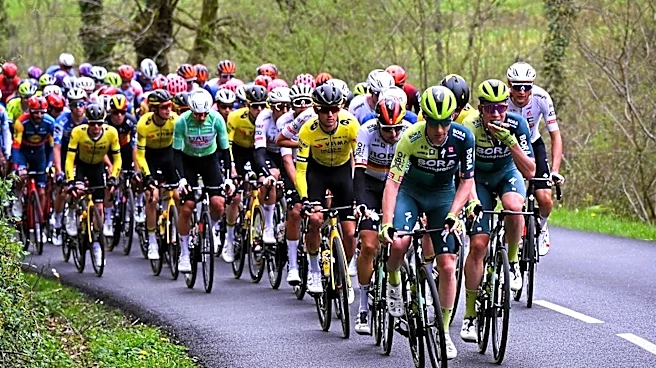
The 2026 Tour de France has been significantly impacted by climate change, with extreme heat and wildfires affecting the race. Riders have faced record-breaking temperatures, with the average reaching 87 degrees Fahrenheit, the highest in two decades.
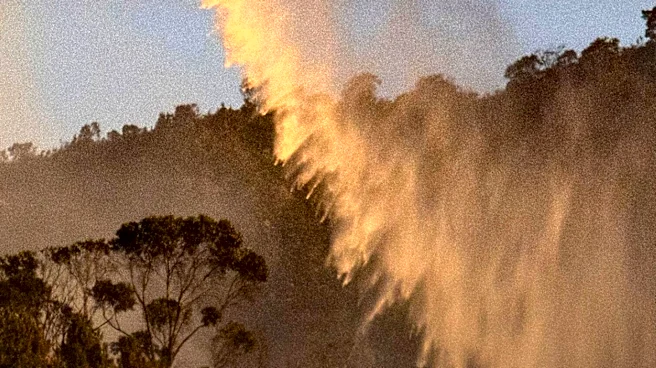
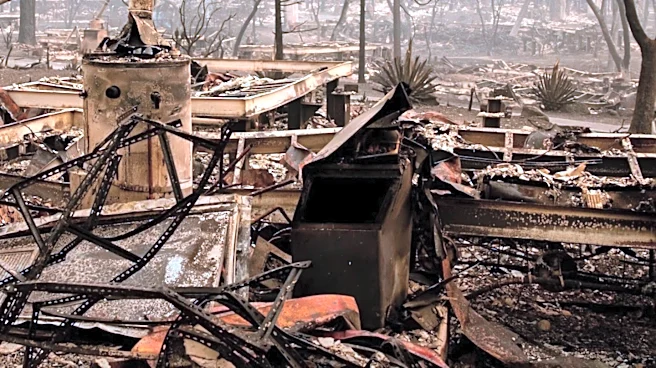
The heat has led to unprecedented measures, including shortening one stage of the race and relaxing rules around hydration. Wildfires in the Pyrénées-Orientales region also posed a threat, prompting organizers to limit access to certain areas for safety. These conditions have sparked discussions about the future scheduling of the race, with suggestions to avoid the hottest months.
Why It's Important?
The challenges faced by the Tour de France highlight the broader impact of climate change on global sporting events. Extreme weather conditions not only affect the safety and performance of athletes but also raise concerns about the sustainability of traditional event schedules. The situation underscores the need for sports organizations to adapt to changing climate conditions, potentially leading to shifts in how and when major events are held. This could have significant implications for the sports industry, tourism, and local economies that rely on such events.
What's Next?
As climate change continues to influence weather patterns, sports organizations may need to reconsider event schedules and locations to ensure the safety of participants and spectators. The Tour de France organizers might explore alternative dates or routes to mitigate the impact of extreme heat. Additionally, there could be increased investment in technologies and strategies to protect athletes from adverse weather conditions, such as enhanced cooling systems and hydration protocols.
Beyond the Headlines
The situation at the Tour de France also raises questions about the long-term viability of traditional sporting events in the face of climate change. It highlights the need for a broader conversation about sustainability in sports, including the environmental impact of large-scale events and the role of sports in promoting climate awareness and action. This could lead to a reevaluation of how sports can contribute to global efforts to combat climate change.