





What's Happening?
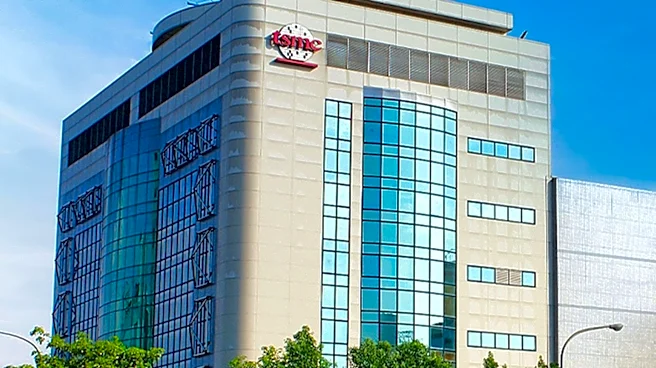
Taiwan Semiconductor Manufacturing Company (TSMC) is set to invest between $60 billion and $64 billion in 2026 to significantly expand its manufacturing capacity. This substantial investment will fund nearly 20 new facilities worldwide, driven by an unprecedented
demand for advanced chips, particularly those used in artificial intelligence (AI) applications. According to TSMC's CEO C.C. Wei, AI accelerator revenue is projected to grow in the mid-to-high 50s percentage range through 2029, with potential for even higher growth. The company currently dominates the foundry market, controlling over 70% of it, and supplies chips to all major AI companies. In the third quarter of 2026, advanced 7-nanometer chips and smaller accounted for 79% of TSMC's wafer revenue, while high-performance computing (HPC), including AI data centers, constituted 68% of its total revenue. This expansion aims to meet the escalating global demand for semiconductors across various markets, including smartphones and AI data centers.
Why It's Important?
TSMC's massive investment underscores the critical role of semiconductor manufacturing in the global economy, particularly in the rapidly expanding AI sector. The company's ability to meet the surging demand for advanced chips is vital for the continued growth and innovation in AI, high-performance computing, and other technology-driven industries. A robust supply of these chips is essential for the development of AI data centers, which are experiencing significant capacity shortages, as noted by Amazon CEO Andy Jassy. This investment will help alleviate supply chain pressures and ensure that technology companies have access to the components needed to power their next-generation products and services. The expansion also highlights the strategic importance of chip manufacturing capabilities, influencing national economic competitiveness and technological leadership. Any slowdown in chip demand or data center build-out could negatively impact TSMC's stock and the broader technology market.
What's Next?
TSMC's investment is expected to lead to a substantial increase in global chip production capacity, which will likely come online in phases as the nearly 20 new facilities are completed. The company anticipates continued strong growth in AI accelerator revenue, potentially exceeding current projections through 2029. This expansion will also likely spur further investments in related industries, such as equipment suppliers and raw material providers. The increased supply of advanced chips could accelerate the development and deployment of AI technologies across various sectors, from cloud computing to autonomous systems. However, the chip industry remains susceptible to broader economic fluctuations, and any downturn could impact demand and TSMC's financial performance. The company's ability to maintain its market dominance will depend on its continued innovation and efficiency in scaling production.
Beyond the Headlines
The scale of TSMC's investment reflects a broader global race for technological supremacy, particularly in AI. The concentration of advanced chip manufacturing in a few key players, like TSMC, raises geopolitical considerations regarding supply chain security and national resilience. Governments worldwide are increasingly recognizing the strategic importance of domestic chip production, leading to initiatives aimed at fostering local semiconductor ecosystems. This trend could lead to a more diversified, albeit potentially more fragmented, global chip manufacturing landscape in the long term. Furthermore, the environmental impact of expanding semiconductor manufacturing, which is energy and resource-intensive, will become an increasingly important consideration, prompting calls for sustainable practices and renewable energy integration in the industry.