




What's Happening?
Ohio's turkey producers heavily rely on soybean meal as a critical component in their feed formulations, according to Michael Schlumbohm, founder of Front View Feeds. Turkeys, described as 'high-maintenance birds,' require precise nutritional strategies
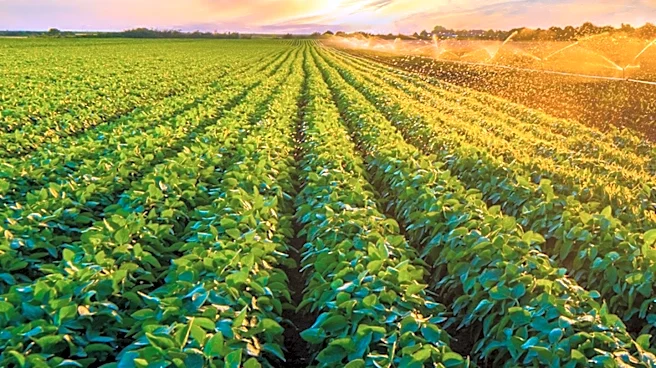
with high levels of vitamins, minerals, energy, and protein. Starter feeds for turkeys contain 27% to 28% crude protein, which gradually decreases to 18% to 20% in the finisher phase. Conversely, energy and fat content increase as the birds mature. Soybean meal is favored for its high protein content and digestibility, often exceeding 85%, ensuring efficient nutrient utilization. Its availability in Ohio, where soybeans are extensively grown, further solidifies its role. Advances in seed technology have improved soybean consistency, which is vital for feed formulators and turkey producers to guarantee nutrient analysis on feed tags and meet regulatory standards set by entities like the Ohio Department of Agriculture.
Why It's Important?
The reliance on soybean meal highlights a significant economic and agricultural synergy within Ohio. The state is a major producer of both turkeys and soybeans, creating a 'full-circle lifecycle' where locally grown ingredients feed local poultry, which are then consumed within the state. This direct partnership between grain farmers and turkey growers supports a thriving agricultural ecosystem. The consistency and quality of soybean meal are paramount for turkey producers, as it directly impacts bird health, growth, and feed conversion ratios. High-quality soybean meal, making up almost 50% of a turkey's starter diet, drives efficiency, muscle development, and overall success for producers. This interconnectedness ensures that the agricultural sector remains robust, providing economic stability and high-quality food products.
What's Next?
The continued focus on high-quality, consistent soybean meal will likely drive further collaboration between Ohio's soybean producers and turkey growers. As the agricultural industry constantly seeks to optimize feed efficiency and animal performance, research and development in soybean seed technology and feed formulation are expected to advance. Regulatory bodies will continue to ensure that feed tags accurately reflect nutrient content, maintaining consumer trust and animal welfare standards. The upcoming holiday season, particularly Thanksgiving, underscores the importance of a stable and efficient turkey production system, making the role of consistent feed ingredients like soybean meal even more critical for meeting seasonal demand.
Beyond the Headlines
The symbiotic relationship between soybean cultivation and turkey farming in Ohio extends beyond mere economics; it represents a model of regional agricultural self-sufficiency and sustainability. By sourcing feed ingredients locally, producers reduce transportation costs and their carbon footprint, contributing to more environmentally friendly practices. This localized supply chain also fosters community resilience, as it lessens dependence on external markets and global supply chain fluctuations. The emphasis on precise nutritional science in animal feed reflects a broader trend in agriculture towards data-driven, optimized production methods, ensuring both animal health and economic viability. This model could serve as a blueprint for other agricultural regions seeking to strengthen their local food systems.