


What's Happening?
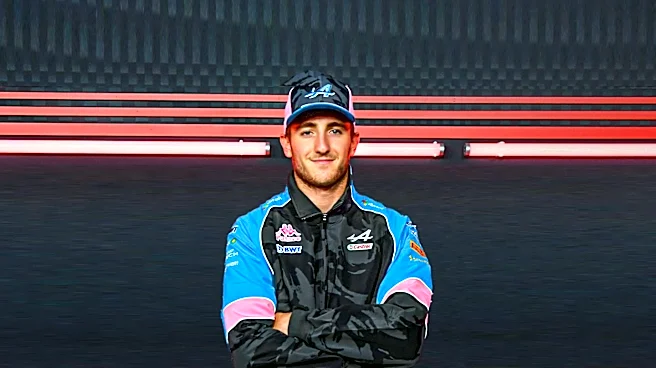
Alpine has introduced a significant upgrade package for its Formula 1 car at the Zandvoort circuit, but initially, only Pierre Gasly will receive the updated components. Franco Colapinto, Gasly's teammate, will have to wait to implement the new parts.
Both drivers had previously expressed confidence in the upgrade's potential to improve their performance and help Alpine compete more effectively with Racing Bulls for the 'best-of-the-rest' status. The timeline for this development has seen some mixed messaging, as it is now being described as an advancement from an originally planned Monza debut. However, both drivers had anticipated having the package available in the Netherlands after the Hungaroring round before the summer break. Gasly confirmed that the plan is to run the parts exclusively on his A526 car during FP1 before sprint qualifying, with potential spare parts arriving just before the race. Colapinto, who described the package as 'very powerful' on the simulator, will therefore not immediately benefit from these enhancements.
Why It's Important?
This staggered implementation of a crucial upgrade package highlights the strategic and logistical challenges faced by Formula 1 teams, particularly those in the midfield aiming to climb the constructor standings. For Alpine, a team striving to elevate its performance, the decision to equip only one car with the new parts could be a calculated risk. It allows them to gather immediate data and assess the upgrade's effectiveness without diluting resources or potentially compromising both cars if unforeseen issues arise. However, it also creates an immediate performance disparity between teammates, which could impact team dynamics and individual championship aspirations. For Franco Colapinto, being sidelined from the initial rollout means a potential disadvantage in a highly competitive environment, where every tenth of a second matters. This situation underscores the intense pressure on teams to optimize development cycles and resource allocation, especially when battling for crucial championship points and prestige against rivals like Racing Bulls.
What's Next?
The immediate next step will be to observe Pierre Gasly's performance with the upgraded Alpine A526 during the Zandvoort Grand Prix weekend, particularly in FP1 and sprint qualifying. The team will be closely analyzing the data collected from his car to validate the effectiveness of the new components. Depending on the initial results and the availability of additional parts, Franco Colapinto may receive the upgrade package later in the Zandvoort event, possibly just before the main race, or at a subsequent Grand Prix. The success or failure of this initial deployment will significantly influence Alpine's development strategy for the remainder of the season. If the upgrade proves effective, it could provide a much-needed boost to their competitive standing. Conversely, if it underperforms, the team will need to re-evaluate its development priorities and potentially adjust its approach to future upgrades, impacting their long-term goals in the constructors' championship.
Beyond the Headlines
The decision to introduce a major car upgrade on only one vehicle, particularly for a team like Alpine, reflects the intricate balance between innovation, resource management, and competitive strategy in Formula 1. Beyond the immediate performance implications, this approach can have broader effects on team morale and driver psychology. While it allows for focused data collection, it can also create a perception of favoritism or unequal opportunity within the team, potentially affecting a driver's confidence and motivation. Furthermore, it highlights the continuous arms race in F1 development, where teams are constantly pushing the boundaries of engineering and logistics to gain even marginal advantages. The 'mixed messaging' regarding the upgrade's timeline also points to the dynamic and often fluid nature of development schedules in motorsport, where plans can change rapidly due to manufacturing constraints, testing results, or strategic shifts. This scenario underscores the complex interplay of technical, human, and strategic factors that define success in modern Formula 1.