







What's Happening?
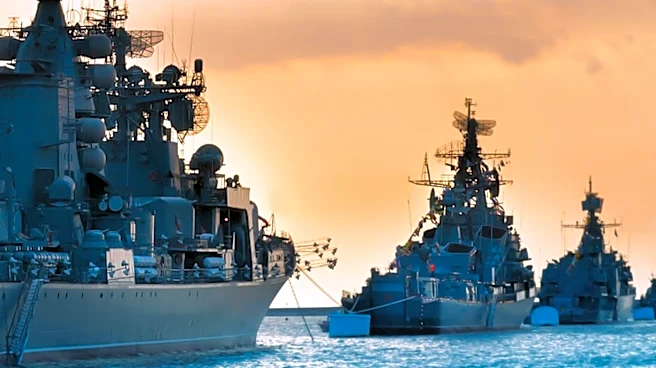
The ongoing conflict between Russia and Ukraine is expanding westward towards NATO's Black Sea coastlines, creating significant commercial repercussions for maritime trade. This geopolitical volatility is profoundly impacting cargo movement, forcing a re-evaluation
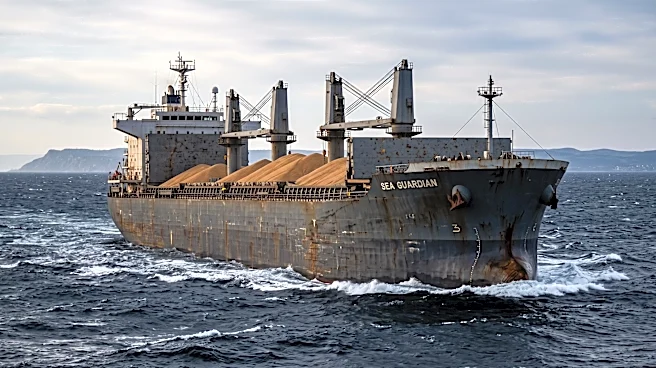
of established routes, operational protocols, and risk management strategies for global supply chains. The Black Sea is the primary and most immediately affected shipping lane, with the westward spread of attacks fundamentally altering the risk profile for vessels. This escalation pushes commercial shipping closer to active conflict zones, potentially affecting the maritime borders of NATO member states. Ports along the Black Sea coastlines, especially those near expanding conflict zones or bordering NATO territories, face immense operational challenges and increased vulnerability, leading to potential closures, delays, and disruptions to cargo handling. Maritime shipping is the most directly and significantly impacted mode of transport, affecting container ships, bulk carriers of essential commodities like grain and oil, and tanker vessels.
Why It's Important?
The escalating tensions in the Black Sea have critical implications for global supply chains and international trade. Increased war risk insurance premiums are making voyages more expensive and potentially deterring carriers, leading to longer transit times as vessels are forced to take more circuitous routes or face delays due to heightened security checks. The commercial viability of using Black Sea ports diminishes as insurance costs soar and the risk of damage or seizure of cargo escalates. Shippers relying on these ports face potential cargo backlogs, diversion to alternative ports, or even complete cessation of services. The disruption in sea-borne trade creates a ripple effect across intermodal networks, potentially leading to congestion, delays, and increased costs for inland transportation as cargo is rerouted through more distant ports. This instability underscores the need for robust strategies to safeguard cargo and maintain supply chain continuity.
What's Next?
Shippers must adopt robust strategies to navigate this volatile environment, including enhanced risk assessment through continuous monitoring of geopolitical intelligence and carrier advisories. Route diversification is crucial, exploring alternative shipping lanes even if they entail longer transit times or higher costs, to reduce reliance on high-risk Black Sea routes. A thorough review of cargo insurance policies is critical to ensure adequate coverage for war risks, which are often excluded from standard marine insurance. Adjusting inventory management strategies to build strategic safety stock levels can help buffer against unforeseen delays and disruptions. Furthermore, fostering transparent and proactive communication with carriers, freight forwarders, and end customers is essential to manage expectations and coordinate responses effectively. The use of advanced visibility platforms, such as MGS, will become indispensable for real-time tracking and data-driven decision-making.
Beyond the Headlines
The expansion of the Russia-Ukraine conflict into the Black Sea highlights the interconnectedness of geopolitical events and global commerce. Beyond the immediate economic impacts, there are broader implications for international maritime law, the role of NATO in safeguarding commercial routes, and the long-term stability of trade corridors. The increased risk to commercial shipping could lead to a re-evaluation of global trade routes and a push towards greater regionalization of supply chains to mitigate such vulnerabilities. This situation also underscores the ethical considerations for companies operating in conflict zones, balancing commercial interests with the safety of crew and cargo. The long-term shift could see a permanent increase in operational costs for Black Sea trade, potentially altering the competitive landscape for goods reliant on these routes.