






What's Happening?
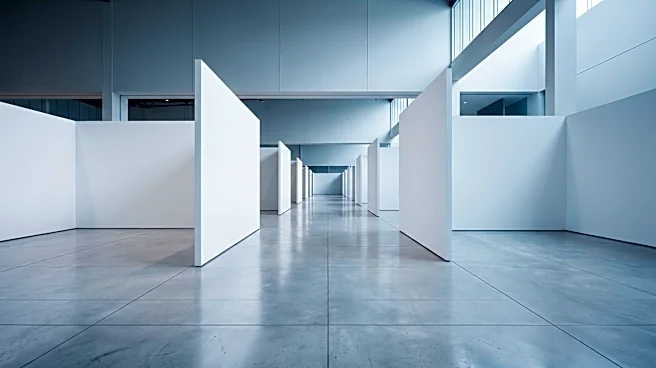
Art Basel Miami Beach 2026, scheduled from December 4 to 6 with VIP days on December 2 and 3 at the Miami Beach Convention Center, will feature a significantly reconfigured floor plan. The 24th edition of the fair will see a 12% reduction in total floor space
and 10% fewer galleries in its main sector, bringing the total number of exhibitors down from 285 in 2025 to 272. The previous five meeting plazas will be replaced by four larger, aligned plazas to improve navigation and sightlines. Bridget Finn, Director of Art Basel Miami Beach, stated that this redesign addresses concerns from galleries regarding collector navigation and aims to create a more focused environment for presentations. The 'Galleries' sector will decrease from 226 to 204 exhibitors, and major 'blue-chip' galleries will be distributed throughout the fair rather than clustered together. The 'Meridians' sector for large-scale works will not return, with such projects integrated into other fair and public spaces. Over 30 new galleries will participate, primarily through the Nova, Positions, and Survey project sectors, and there will be a continued focus on Latin American and Caribbean representation.
Why It's Important?
The strategic reduction in floor space and exhibitor numbers at Art Basel Miami Beach 2026 signifies a shift in the U.S. art market's premier commercial event. This move could lead to a more curated and less overwhelming experience for collectors and attendees, potentially enhancing the quality of interactions and sales. By distributing prominent galleries throughout the fair, the redesign aims to democratize attention, allowing smaller or emerging galleries to gain visibility that might have been overshadowed by larger players. The increased focus on Latin American and Caribbean representation also highlights the growing influence and market demand for art from these regions within the U.S. art scene. For Miami, this event is a significant economic driver, attracting international collectors, gallerists, and art enthusiasts, boosting local tourism and hospitality sectors. The changes reflect an adaptation to market feedback and an effort to maintain the fair's prestige and effectiveness in a competitive global art landscape.
What's Next?
The implementation of the new floor plan and curatorial strategy will be closely watched by the international art community. The success of the redesigned layout in improving navigation and collector engagement will be a key metric. The fair's leadership will likely monitor feedback from galleries and attendees to assess the effectiveness of these changes for future editions. The integration of large-scale works into general fair and public spaces, in lieu of the dedicated 'Meridians' sector, will also be a point of interest, as it could alter how monumental art is experienced and acquired. Furthermore, the continued emphasis on Latin American and Caribbean art suggests potential for increased investment and representation from these regions in the U.S. art market. The fair will also feature 'Zero 10,' its digital-era art platform, with its largest presentation to date, indicating a growing commitment to showcasing technological advancements in art.
Beyond the Headlines
The redesign of Art Basel Miami Beach reflects broader trends in the art world, including a move towards more intimate and focused viewing experiences, and a recognition of the challenges faced by galleries in large-scale fairs. The decision to de-cluster 'blue-chip' galleries could foster a more equitable environment, potentially encouraging collectors to explore a wider range of artists and galleries. This shift might also influence other major art fairs to re-evaluate their own layouts and curatorial approaches. The strong representation of Latin American and Caribbean art underscores a cultural and economic shift, highlighting the increasing global interconnectedness of the art market and the importance of diverse artistic voices. The expansion of digital art platforms like 'Zero 10' also points to the ongoing integration of technology into the art world, challenging traditional notions of art creation, presentation, and consumption.