





What's Happening?
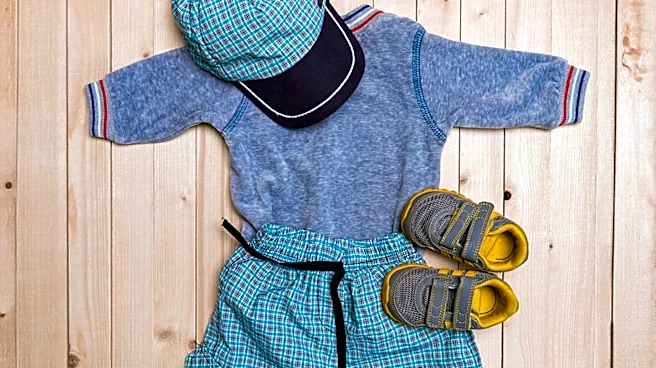
The Playtime trade show in New York City is showcasing the latest trends in kidswear, with a focus on the challenges faced by buyers due to U.S. market tariffs and geopolitical uncertainties. According to Chantal Danguillaume, Playtime's show director,
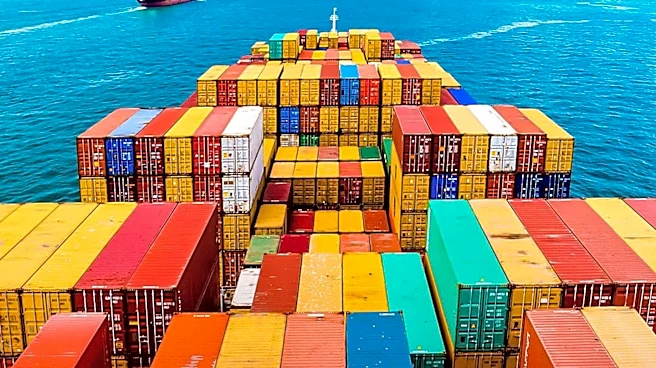
buyers are struggling with short visibility on geopolitical changes, making it difficult to anticipate future impacts on stock and delivery. To adapt, brands are offering multiple product drops throughout the year, allowing for greater flexibility. The United States Fashion Industry Association's recent study indicates that 92% of business owners view protectionist U.S. trade policies, including the Trump tariffs, as a major business challenge. This environment is deterring some international brands from entering the U.S. market.
Why It's Important?
The ongoing uncertainty in U.S. trade policies is significantly impacting the apparel industry, particularly in the kidswear sector. The tariffs and geopolitical tensions are causing brands to reconsider their strategies, potentially leading to reduced market diversity and innovation. For U.S. consumers, this could mean fewer choices and higher prices as brands navigate these challenges. The situation underscores the broader impact of trade policies on international business relations and market dynamics, affecting not only the fashion industry but also the overall economic landscape.
What's Next?
As brands continue to adapt to the uncertain trade environment, they may increasingly focus on building brand awareness and adhering to quality and sustainability standards to maintain consumer trust. The Playtime trade show will continue to Los Angeles, providing further opportunities for brands to showcase their adaptability and resilience. Stakeholders in the fashion industry will likely monitor U.S. trade policy developments closely, adjusting their strategies to mitigate risks and capitalize on emerging opportunities.