



What's Happening?
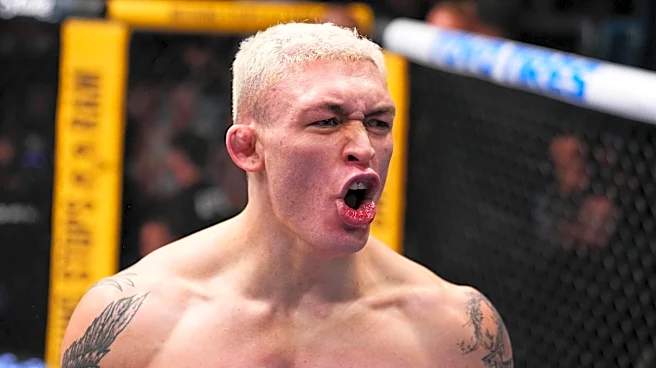
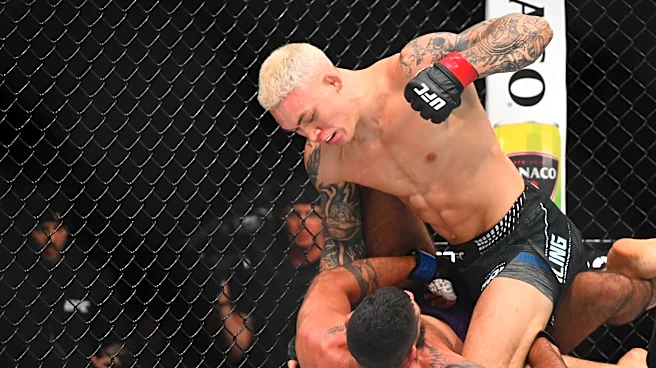
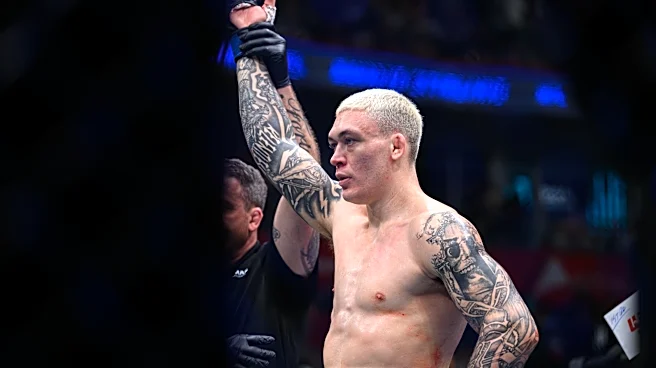
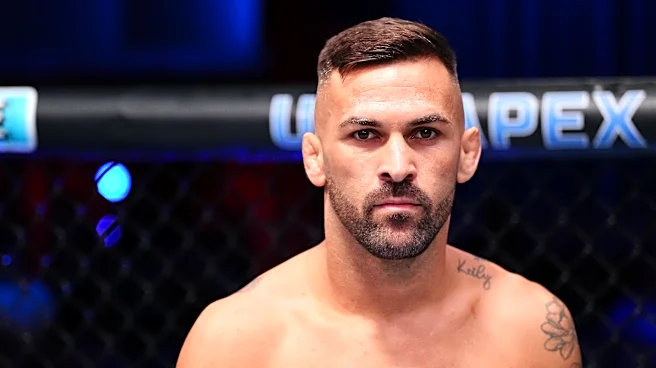
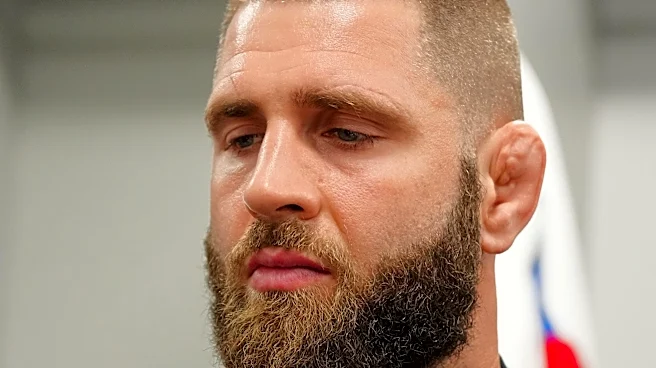
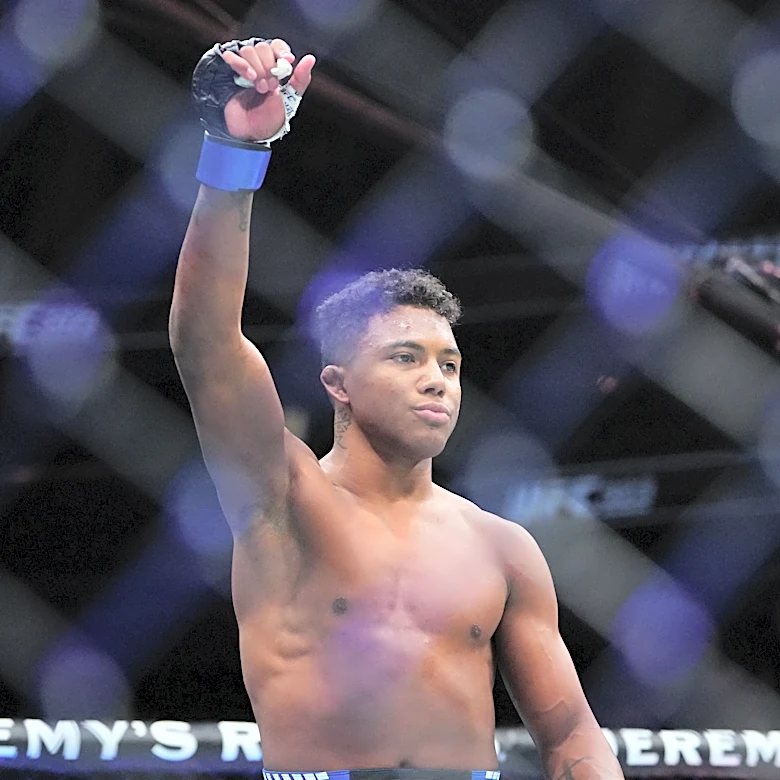
Former UFC Light Heavyweight champion Jiri Prochazka is set to return to the octagon against undefeated contender Navajo Stirling in the UFC Qatar main event. Prochazka, ranked No. 2, initially hesitated to fight Stirling, who is ranked No. 5 after only
six UFC appearances, due to Stirling being a lower-ranked fighter and a teammate of reigning champion Carlos Ulberg, who recently knocked out Prochazka. However, with other top-ranked fighters like Paulo Costa and Magomed Ankalaev unwilling to fight, Prochazka accepted Stirling as his only option for a fight before the end of 2026. Prochazka views Stirling as a 'big risk' but believes he has made significant changes to his fighting style and discipline since his loss to Ulberg, aiming to control his natural aggression more effectively.
Why It's Important?
This fight is crucial for Jiri Prochazka's career trajectory and the UFC light heavyweight division. A victory against an undefeated and rapidly rising contender like Navajo Stirling would re-establish Prochazka as a top contender and potentially set him up for a championship rematch against Carlos Ulberg. Conversely, a loss would significantly derail his path back to the title. For Stirling, this is a monumental opportunity to defeat a former champion and solidify his position as a legitimate threat in the division. The fight also highlights the challenges faced by top-ranked fighters in securing opponents, as some contenders may avoid 'high-risk, low-reward' matchups. Prochazka's decision to embrace this risk demonstrates his commitment to returning to the top and his confidence in the adjustments he has made to his fighting approach.
What's Next?
If Jiri Prochazka is successful against Navajo Stirling, a championship rematch against Carlos Ulberg is a strong possibility, especially given their recent history. Prochazka's performance will be closely scrutinized to see if his claimed 'major overhaul' in discipline and strategy translates into a more controlled yet equally effective fighting style. For Navajo Stirling, a win would propel him into immediate title contention, potentially setting up an 'all Kiwi clash' with his teammate Ulberg, a narrative that has been gaining significant traction. The outcome of this fight will have direct implications for the next title challenger in the UFC light heavyweight division and will shape the competitive landscape for the foreseeable future. The UFC will be watching closely to see which fighter emerges as the more compelling contender.
Beyond the Headlines
The narrative surrounding Jiri Prochazka's fight with Navajo Stirling delves into the psychological aspects of combat sports, particularly the challenge of balancing a fighter's natural instincts with strategic discipline. Prochazka's acknowledgment of needing to change 'bad habits' and become 'more strategic, more tactical and not so emotional' reflects a common struggle for aggressive fighters. This internal battle to refine one's approach without losing the essence of what makes them a compelling fighter is a significant theme. Furthermore, the reluctance of some top-ranked fighters to face lower-ranked but dangerous opponents like Stirling underscores the strategic calculations involved in career management within the UFC. Fighters must weigh the potential rewards of a victory against the risks of a setback, influencing who they choose to fight and when. This dynamic shapes not only individual careers but also the overall competitive flow of the sport.