







What's Happening?
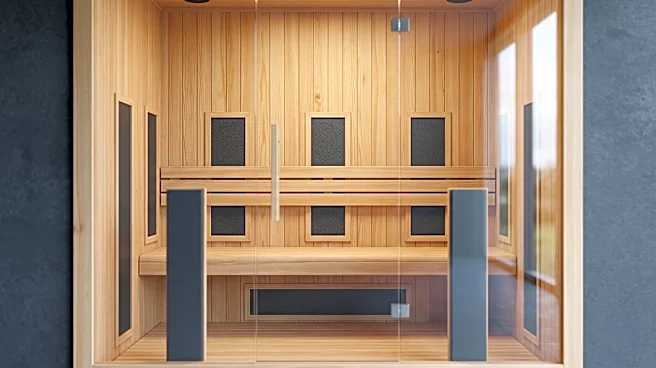
Infrared saunas utilize far infrared heat to directly warm the body, inducing sweating and promoting deep relaxation at lower temperatures compared to traditional saunas. This method focuses on whole-body heat exposure, contrasting with red light therapy,
which targets specific areas with visible red and near-infrared light without significant heat. Far infrared, as defined by ICNIRP, operates in the band from 3 micrometers to 1 millimeter, distinct from the wavelengths used in red light devices. While some saunas may feature red-glowing bulbs, these are often decorative and do not deliver the measured light dose characteristic of true red light therapy. The primary function of an infrared sauna is to elevate core body temperature and facilitate sweating, offering benefits such as muscle tension relief, improved circulation, and stress reduction. The dry heat produced by infrared saunas also makes them suitable for installations in areas like basements, mitigating concerns about mold and moisture.
Why It's Important?
The distinction between infrared saunas and red light therapy is crucial for consumers seeking specific health and wellness benefits. Understanding that infrared saunas provide whole-body heat for relaxation and muscle recovery, while red light therapy offers targeted light exposure for cellular processes, allows individuals to make informed choices. This clarity helps prevent misapplication of products and ensures users invest in the technology best suited for their needs. For instance, those looking for post-exercise recovery through sweating and increased core temperature would benefit more from an infrared sauna. Conversely, individuals targeting specific skin conditions or localized muscle pain might find red light therapy more appropriate. The dry heat aspect of infrared saunas also presents a practical advantage for home installations, particularly in environments prone to humidity, potentially reducing maintenance and health concerns related to mold growth. This differentiation impacts the wellness industry by guiding product development and marketing strategies, emphasizing the unique value propositions of each therapy.
What's Next?
Consumers considering infrared saunas or red light therapy should prioritize understanding the specific mechanisms and intended benefits of each. When purchasing an infrared sauna, it is advisable to review the warranty details thoroughly, ensuring coverage for the cabin, heating system, power supply, controls, and accessories, along with clear information on exclusions and serviceability. For red light therapy devices, verifying the stated light output and wavelengths is crucial, as the effectiveness of these devices depends on the delivered dose. The market may see continued innovation in both infrared sauna and red light therapy technologies, potentially leading to more integrated or hybrid devices. However, the fundamental difference in their approach—whole-body heat versus targeted light—will likely remain a key factor in their application and consumer choice. Further research may also refine the optimal timing and combination of these therapies for various health outcomes.
Beyond the Headlines
The growing popularity of infrared saunas and red light therapy reflects a broader societal trend towards holistic wellness and self-care. As individuals increasingly seek non-pharmacological methods for health improvement, understanding the scientific basis and practical applications of these technologies becomes vital. The distinction between 'heat' and 'light' therapies highlights the diverse ways in which physical stimuli can impact human physiology. This also underscores the importance of critical evaluation of wellness claims, particularly when products are marketed with overlapping or ambiguous terminology. The emphasis on dose in red light therapy, for example, points to the scientific rigor required in developing and assessing such interventions. Ethically, manufacturers have a responsibility to clearly articulate the functions and limitations of their products to prevent consumer confusion and ensure realistic expectations. This trend also influences architectural and interior design, with dedicated spaces for wellness technologies becoming more common in homes and commercial establishments.