




What's Happening?
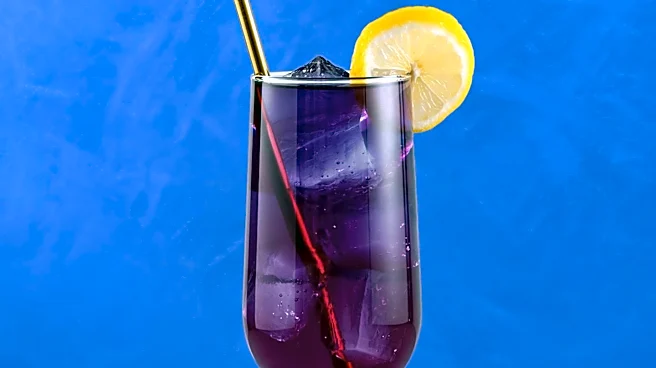
FaceClock Gallery in Philadelphia is gaining recognition for its unique approach to entertainment, offering a zero-proof lounge, gallery, and event space. This establishment distinguishes itself by providing a variety of adaptogen-packed drinks, such
as a lemon lavender spritz, as a central part of its beverage offerings. Beyond its innovative drink menu, FaceClock Gallery hosts a diverse range of gatherings, including poetry readings, yoga classes, and DJ sets, all within a setting adorned with vintage design and local art. The venue also features a bottle shop, allowing patrons to purchase the ingredients used in their favorite adaptogen-infused beverages to enjoy at home. This initiative caters to a growing demand for sober entertainment options and health-conscious choices in social settings.
Why It's Important?
The emergence of venues like FaceClock Gallery highlights a significant shift in the U.S. social and entertainment landscape, particularly the increasing demand for sober-friendly environments. This trend reflects a broader societal movement towards wellness and mindful consumption, impacting the hospitality industry. By offering adaptogen-packed drinks, FaceClock Gallery taps into the rising popularity of adaptogens, which are natural substances believed to help the body adapt to stress and promote overall well-being. This approach provides an alternative for individuals seeking social experiences without alcohol, potentially fostering more inclusive and health-oriented community spaces. The success of such establishments could encourage other businesses to diversify their offerings, catering to a wider demographic and promoting healthier lifestyle choices within urban centers.
What's Next?
The success of FaceClock Gallery could inspire similar zero-proof lounges and adaptogen-focused establishments to open in other U.S. cities, expanding the market for sober entertainment. As consumer awareness of adaptogens and their potential benefits grows, there may be an increased demand for these ingredients in mainstream beverage markets. This could lead to more widespread availability of adaptogen-infused drinks in various retail and hospitality settings. Additionally, the concept of combining art, wellness, and social gatherings in a non-alcoholic environment might evolve, leading to new models for community spaces that prioritize health and creative expression. The trend could also influence beverage companies to invest more in research and development of adaptogen-based products.
Beyond the Headlines
The rise of venues like FaceClock Gallery points to a deeper cultural re-evaluation of social norms surrounding alcohol consumption. It suggests a growing desire for intentional and health-conscious social interactions, moving beyond traditional alcohol-centric entertainment. This shift has ethical implications, as it promotes inclusivity for individuals who choose not to drink for various reasons, including health, religious beliefs, or personal preference. Furthermore, the integration of adaptogens into social beverages reflects a broader societal interest in natural remedies and holistic well-being, potentially influencing public health discussions and consumer education about alternative health practices. This movement could also foster a more diverse and creative nightlife culture that prioritizes mental and physical health.