

What's Happening?
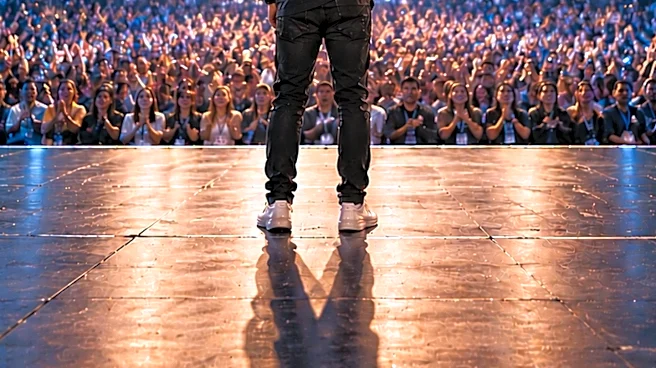
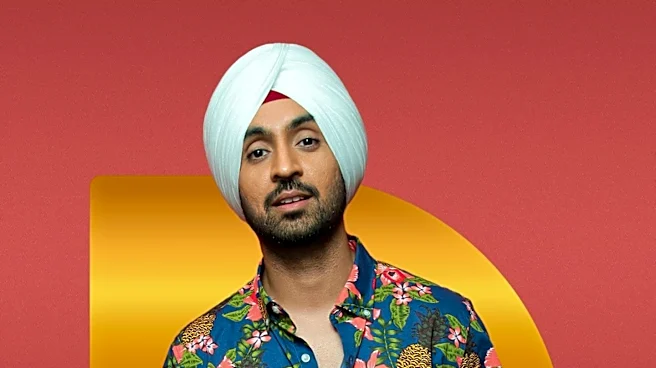
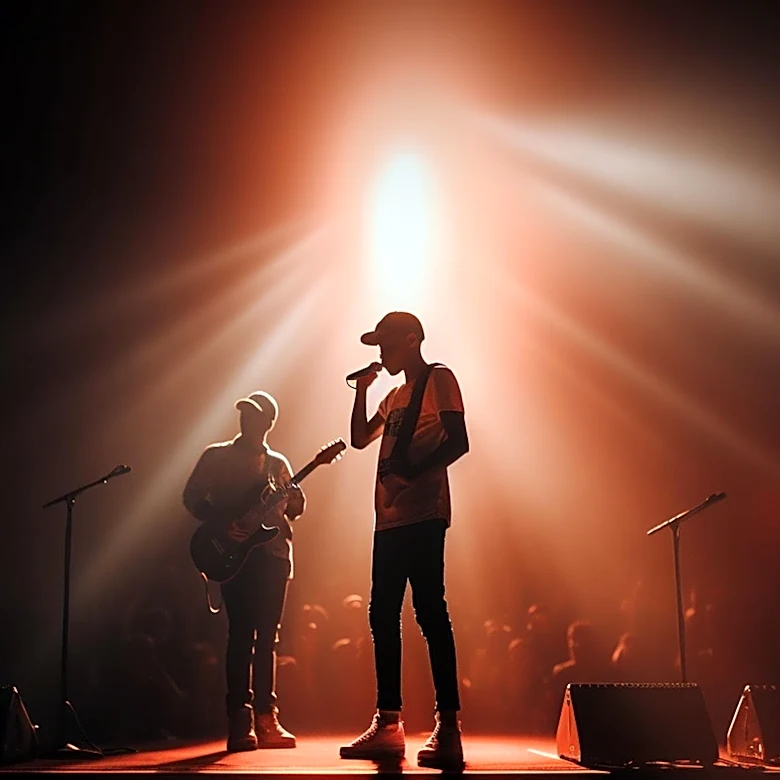
Singer Diljit Dosanjh has publicly criticized what he perceives as double standards in the censorship of song lyrics, particularly concerning references to alcohol and drugs. During a recent concert at Ahmedabad's Narendra Modi Stadium, Dosanjh highlighted
that while international artists like Coldplay can perform songs with lyrics such as 'I am feeling drunk and high' without facing objections, his own music often encounters restrictions. He specifically referenced Coldplay's song 'Something Just Like This' and its lyrics, questioning why similar content in his songs leads to calls for bans. This comes after the Ahmedabad District Child Protection Officer requested the city police to prevent Dosanjh from performing songs allegedly promoting alcohol, drugs, and violence, including tracks like 'Patiala Peg' and '5 Taara'. Dosanjh expressed his frustration, stating that restrictions are imposed on him despite his music being popular and his musicians being Indian.
Why It's Important?
Dosanjh's comments bring to light a significant debate surrounding artistic freedom, cultural context, and censorship in the music industry. The issue raises questions about whether different standards are applied to local artists compared to international acts, potentially impacting creative expression and fairness within the entertainment sector. For U.S. audiences, this discussion resonates with ongoing conversations about content regulation, cultural appropriation, and the global reach of music. The perceived double standard could influence how international collaborations are viewed and how artists navigate diverse cultural expectations when performing globally. It also highlights the challenges artists face in balancing creative integrity with societal norms and regulatory pressures, potentially affecting their touring decisions and lyrical content choices.
What's Next?
The debate initiated by Diljit Dosanjh could lead to further discussions among artists, regulatory bodies, and cultural organizations regarding consistent standards for lyrical content. It may prompt a re-evaluation of censorship policies and their application across different artists and cultural backgrounds. Artists might become more vocal about perceived inconsistencies, potentially leading to advocacy for clearer and more equitable guidelines. This situation could also influence how concert organizers and local authorities approach content review for future performances, both by domestic and international artists. The ongoing dialogue could shape future artistic expressions and the regulatory landscape for music in various regions.
Beyond the Headlines
Beyond the immediate controversy, Dosanjh's remarks touch upon deeper issues of cultural identity and globalism in music. He emphasized his Indian roots and the Indian musicians accompanying him, suggesting that the criticism he faces might be linked to his identity as a local artist. This raises questions about how cultural authenticity is perceived and judged in a globalized music scene. The incident also highlights the power dynamics at play when international and local artists operate within the same cultural space, and how these dynamics can influence public and official reactions to their work. It underscores the complex interplay between artistic expression, cultural values, and the evolving landscape of global entertainment.