







What's Happening?
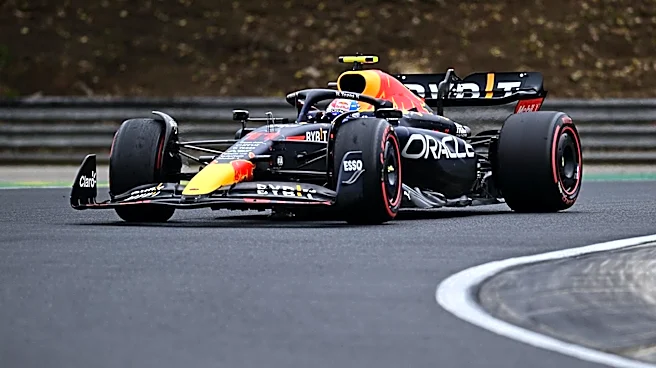
Red Bull Formula 1 driver Isack Hadjar, 22, has revealed his precise pre-race ritual, which includes a strict nine-minute rule before he gets into his car. Hadjar emphasizes that this specific timing is crucial for him to prepare mentally and physically,
stating he dislikes waiting in the car doing nothing. His routine involves stretching and warming up with his trainer, incorporating juggling and reaction-time tests to prime his brain. To get hyped, he listens to rap music from French, American, or British artists. Exactly nine minutes before the race, he begins inserting his earpieces. Despite his disciplined approach to race preparation, Hadjar admits he finds zone 2 cardio, which involves running at a moderate pace for endurance, to be boring, often watching movies or TV shows to get through it. He maintains a high level of discipline, including a strict bedtime, to ensure peak performance in a sport demanding intense concentration and physical endurance.
Why It's Important?
Isack Hadjar's detailed pre-race ritual offers insight into the meticulous preparation required for elite athletes in high-stakes sports like Formula 1. This level of precision highlights the psychological and physiological demands placed on drivers, where every minute detail can impact performance. His routine underscores the importance of mental conditioning, reaction time, and physical endurance in motorsports. For aspiring athletes and sports psychologists, Hadjar's approach provides a case study in optimizing performance through structured routines and mental preparation. The emphasis on specific timing and personalized methods demonstrates how top performers tailor their strategies to achieve peak states. Furthermore, his candidness about disliking certain training aspects, like zone 2 cardio, humanizes the elite athlete experience, showing that even professionals face challenges in maintaining rigorous training regimens.
What's Next?
As Isack Hadjar continues his career in Formula 1, his pre-race ritual will likely evolve as he gains more experience and adapts to new challenges. The consistency of his routine will be crucial for maintaining his performance levels and managing the pressures of competitive racing. Other drivers and teams may observe and analyze his methods, potentially influencing their own preparation strategies. Hadjar's continued success could further validate the importance of highly personalized and disciplined pre-competition routines in motorsports. His insights into the mental and physical aspects of F1 driving may also contribute to broader discussions within sports science regarding optimal athlete preparation and the psychological resilience required at the highest levels of competition.
Beyond the Headlines
Hadjar's ritual extends beyond mere superstition; it reflects a deep understanding of human performance psychology and the need for controlled environments in high-pressure situations. The 'nine-minute rule' is a self-imposed constraint that creates a sense of control and predictability in an otherwise chaotic and unpredictable sport. This level of ritualization can reduce anxiety, enhance focus, and create a mental trigger for optimal performance. It also highlights the individualized nature of peak performance; what works for one athlete may not work for another. The integration of music, physical warm-ups, and precise timing demonstrates a holistic approach to readiness, where mental, emotional, and physical states are all carefully managed. This approach has implications not just for sports, but for any field requiring sustained high-level performance under pressure, from surgery to high-stakes business negotiations.