



What's Happening?
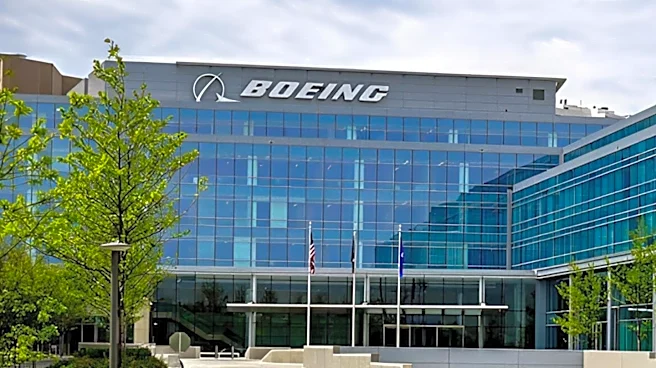
John Barnett, a former quality engineer at Boeing and a prominent whistleblower, was found dead from a self-inflicted gunshot wound in March 2024. His death occurred while he was in Charleston, South Carolina, undergoing depositions for a lawsuit against
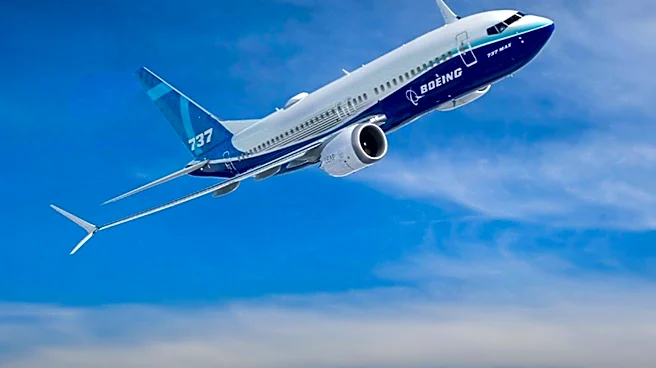
Boeing, where he alleged retaliation and a hostile work environment. Barnett had been a key figure in the 2022 Netflix documentary 'Downfall: The Case Against Boeing,' which investigated crashes involving Boeing 737 MAX aircraft. A new documentary, 'Freefall: A Reckoning For Boeing,' released on Netflix, further explores Boeing's safety practices and includes previously unreleased footage of Barnett's testimony. The film highlights claims from multiple whistleblowers that Boeing continues to prioritize profit over safety, despite public assurances following the fatal 737 MAX crashes. Boeing, which declined to participate in the documentary, stated that many allegations have been previously reported and that the company has addressed and continues to improve upon identified issues, citing a newly implemented program on values and behavioral standards.
Why It's Important?
Barnett's death and the ongoing allegations against Boeing underscore critical issues regarding corporate accountability, whistleblower protection, and aviation safety within the U.S. manufacturing sector. The documentary and the whistleblowers' testimonies suggest a systemic problem where cost-cutting measures and production pressures may compromise quality control, potentially endangering passenger lives. This situation has significant implications for public trust in major U.S. corporations and regulatory bodies. If allegations of prioritizing profit over safety are proven, it could lead to stricter government oversight, increased legal liabilities for companies, and a reevaluation of manufacturing practices across industries. The case also highlights the immense personal toll on whistleblowers who come forward with concerns, raising questions about the support and protections available to them.
What's Next?
The release of 'Freefall: A Reckoning For Boeing' is likely to intensify public scrutiny and potentially prompt further investigations into Boeing's manufacturing and safety protocols. While Barnett's death was ruled a suicide, his lawyers maintain that Boeing is responsible for the emotional and mental strain he endured as a whistleblower. The ongoing wrongful death lawsuit against Boeing, mentioned in the documentary, will continue to unfold, potentially revealing more details about the company's internal practices. Major stakeholders, including regulatory agencies like the FAA, congressional committees, and consumer advocacy groups, may increase pressure on Boeing to implement more robust safety measures and ensure greater transparency. The documentary could also encourage other employees to come forward, further impacting Boeing's reputation and operational procedures.
Beyond the Headlines
The deeper implications of this story extend to the ethical responsibilities of corporations and the balance between economic efficiency and public safety. The narrative presented by the whistleblowers suggests a cultural shift within Boeing, attributed by some to leadership changes in the early 2000s, where financial metrics began to overshadow engineering integrity. This raises broader questions about the long-term consequences of corporate strategies focused primarily on shareholder value. The case also touches upon the psychological impact of corporate pressure and retaliation on individuals who attempt to uphold ethical standards. The public's perception of U.S. industrial giants, particularly in critical sectors like aviation, could be significantly influenced, potentially leading to a demand for more stringent ethical governance and greater protection for those who expose corporate malfeasance.