







What's Happening?
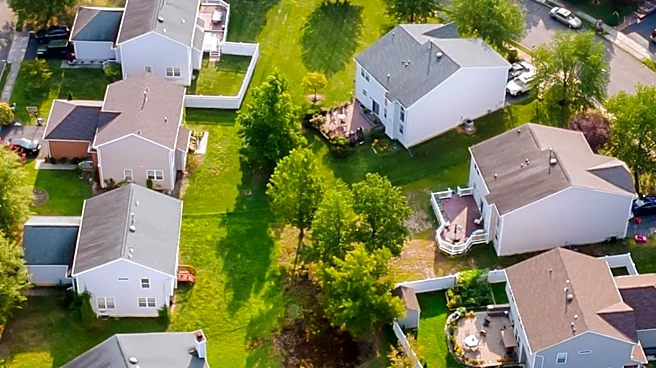
The Mortgage Bankers Association (MBA) has released a report indicating that the U.S. could face a housing oversupply by 2035. The report, titled 'Implications of a Persistent Slowing in Housing Demand,' projects that the nation could add between 10.6
million and 14.6 million net housing units over the next decade. This potential oversupply is attributed to a slowdown in household growth, driven by an aging population, lower fertility rates, and reduced immigration. The report suggests that while some regions, particularly in the South and West, may continue to see new construction, the number of households able to absorb these homes may decline. This situation could lead to a cooling of housing prices in fast-building markets, even as shortages persist in other areas.
Why It's Important?
The potential oversupply of housing could have significant implications for the U.S. housing market and economy. If supply outpaces demand, it could lead to a decrease in housing prices in certain regions, affecting homeowners' equity and the real estate market's overall stability. Builders may face challenges in adjusting their production rates to align with changing demand, potentially leading to financial losses. Additionally, the report highlights the importance of regional differences, as some areas may continue to experience high demand and rising prices due to limited new construction. This disparity could exacerbate existing affordability issues in high-cost metros, impacting potential homebuyers and renters.
What's Next?
Builders and policymakers may need to consider strategies to address the potential oversupply and regional disparities in housing demand. This could involve adjusting construction rates, focusing on areas with high demand, and implementing policies to encourage affordable housing development. Additionally, monitoring demographic trends and economic conditions will be crucial in anticipating changes in housing demand. Stakeholders in the housing market, including real estate developers and financial institutions, will need to remain vigilant and adaptable to these evolving conditions.
Beyond the Headlines
The potential housing oversupply raises questions about the long-term sustainability of current construction practices and the need for more targeted housing policies. The report suggests that building more homes in areas with high demand could help alleviate affordability issues and stimulate household formation. However, achieving this balance will require overcoming regulatory and cost barriers in high-demand regions. The situation also underscores the importance of considering demographic shifts, such as aging populations and changing family structures, in planning for future housing needs.